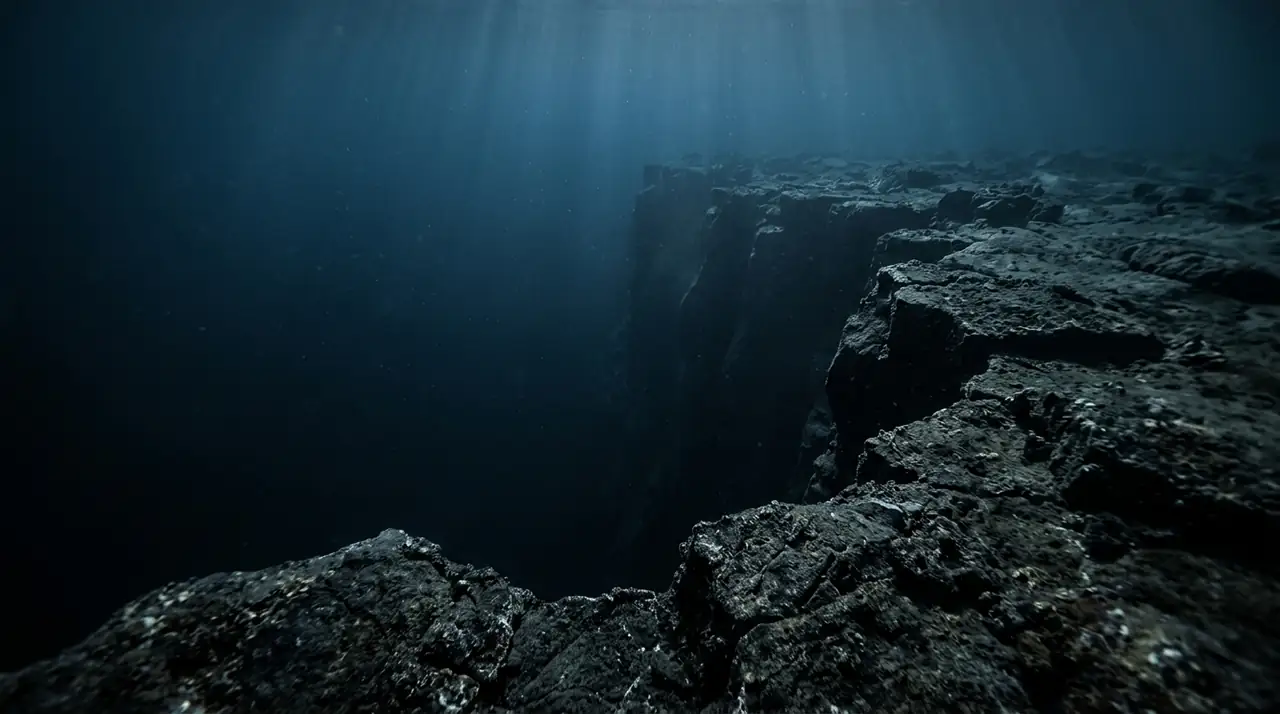
Dinah's Beach (Lauadi)
Overview
Dinah's Beach at Lauadi is the site that put Milne Bay on the map for serious critter hunters and macro photographers. This unassuming stretch of volcanic sand on Papua New Guinea's northern Milne Bay coast looks unremarkable from the surface: just a dark grey sand slope descending gently into murky water. Yet beneath that surface lies one of the richest concentrations of rare marine life on the planet. I waded in from the rocky shore and finned out over the sand slope. The bottom dropped gradually from 3 to around 18 metres, volcanic sand peppered with rubble and dead coral fragments serving as critical habitat. My guide pointed to what appeared to be a small sponge, and as I moved closer, the shape resolved into a painted frogfish the size of a golf ball, its textured skin a perfect match for the surrounding substrate. Over the next 90 minutes at depths never exceeding 15 metres, I encountered a catalogue of critter diving royalty. A flamboyant cuttlefish walked across the sand on its modified arms, pulsing through psychedelic purples, whites, and yellows. Two blue-ringed octopus sat in discarded shells, warning rings flashing electric blue. A rhinopias scorpionfish perched on a coral fragment, its elaborate skin appendages waving with each gentle surge. The ghost pipefish here are outstanding. Ornate ghost pipefish hover in pairs among crinoid arms, perfectly mimicking their hosts. Robust ghost pipefish hang vertically among sea grass blades. Halimeda ghost pipefish disappear completely against the algae they inhabit. What struck me most was how much life occupied seemingly empty sand. Every square metre revealed something on careful inspection: mantis shrimp peering from burrows, nudibranchs trailing across the substrate, seahorses clinging to wire coral, bobbit worms lurking with jaws barely visible. This site rewards patience and sharp eyes above all else, delivering world-class macro subjects in conditions any certified diver can handle.
Early access
Plan a dive here
Open the DiveOne planner to sketch a recreational plan before you go. It is a planning assistant, not a dive computer.
Marine life
Dive profile
DEPTH PROFILE
DEPTH PROGRESSION & WAYPOINTS: Dinah's Beach (Lauadi)
Location
Frequently asked questions
What makes Dinah's Beach so special for muck diving?
Dinah's Beach combines several factors that create ideal muck diving conditions. The volcanic sand substrate provides perfect camouflage habitat for critters that are found in few other locations. The site's gentle slope and calm conditions allow extremely long, slow dives focused on careful searching. The biodiversity is extraordinary, with species density rivalling Lembeh Strait but in a less-visited setting. Resident dive guides have mapped the locations of rare species over years of observation, dramatically increasing the chances of spotting the site's most elusive inhabitants.
What camera equipment do I need for Dinah's Beach?
A macro lens is essential, with 60mm or 100mm being the most popular choices. Many photographers bring a dedicated macro setup with a 100mm lens and a diopter for extreme close-ups of tiny subjects like nudibranchs and pygmy seahorses. A good focus light is critical for locating subjects on the dark volcanic sand. Most subjects are small and stationary or slow-moving, so single-strobe setups work well, though dual strobes eliminate shadows on three-dimensional subjects like frogfish. Video shooters should bring a macro wet lens adapter.
How do I get to Dinah's Beach and where do I stay?
Dinah's Beach is located near the village of Lauadi on the northern shore of Milne Bay, roughly 15 kilometres from the provincial capital Alotau. Most divers access the site through Tawali Leisure & Dive Resort, which is the primary dive operation in the area and offers shore diving directly at Dinah's Beach as well as boat dives to surrounding sites. Alotau is reached by domestic flights from Port Moresby. Some liveaboard operators also include Dinah's Beach on their Milne Bay itineraries.
Reviews
Reviews
No reviews yet
Data Provenance
This profile is compiled from 3 operator submissions and 142 community logs. Key facts (depth, entry) are verified against official hydrographic charts.