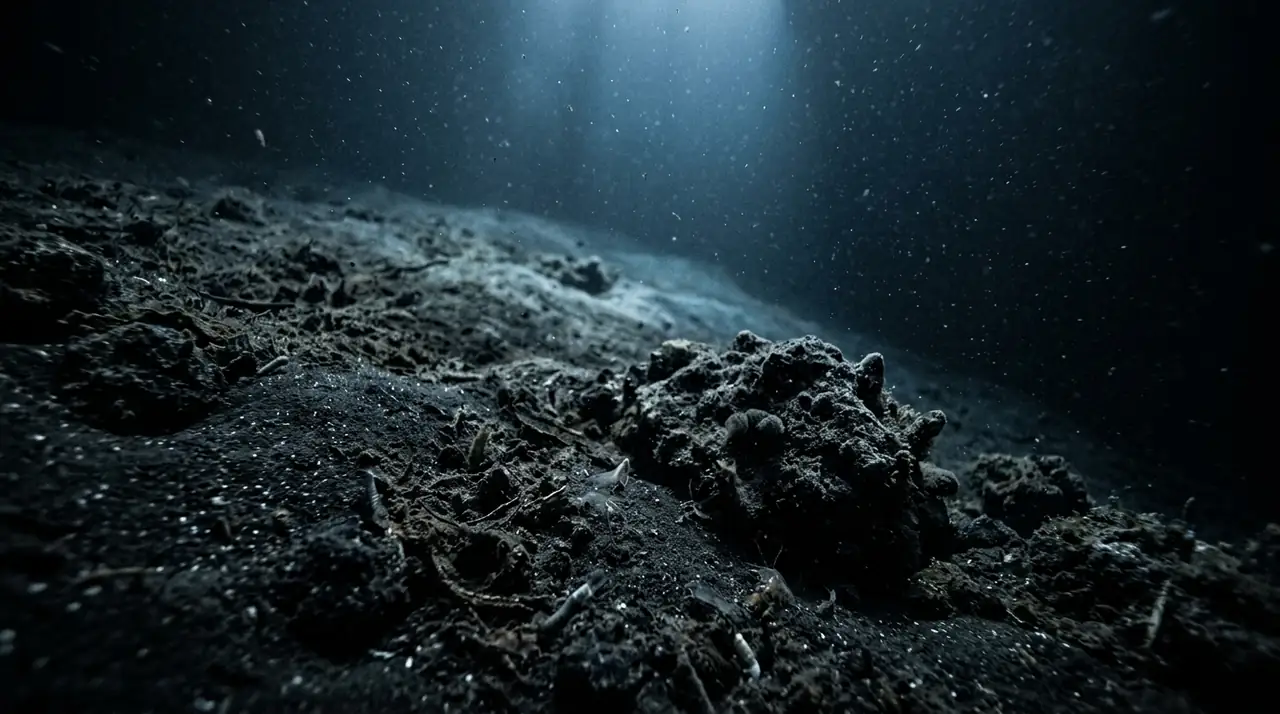
Dibba Rock North (Musandam)
Overview
Dibba Rock is one of the most dived sites in the UAE, but most divers only experience its southern, sheltered face on the Fujairah side. The northern extension of this submerged rock formation reaches into the waters of Oman's Musandam Peninsula, and here the character of the dive changes dramatically. The Musandam side is exposed to the open Gulf of Oman, where currents sweep nutrient-rich water along the coast and visibility improves markedly compared to the more enclosed Fujairah bays. This is the sharky side of Dibba Rock, and the difference is immediately apparent. I dived the north face on a March morning with a Musandam-permitted operator running out of Dibba Al-Fujairah. The boat ride to the site was barely ten minutes, but crossing the invisible maritime boundary felt like entering a different ocean. The water was a deeper blue, the surface choppier with the hint of a current that would define the dive. We dropped in on the upcurrent side and immediately began drifting along the rock's northern contour. The reef structure here is volcanic rock rather than coral-built, with boulders and ridges creating a series of channels and overhangs that provide shelter for an impressive biomass. Within five minutes of descent, I spotted two blacktip reef sharks cruising the edge where the rock meets the sand at eighteen metres. They were moving with purpose, quartering the reef in overlapping patrol patterns. These are resident animals, seen by operators on almost every dive, but their presence never becomes routine. The largest was perhaps a metre and a half, small by shark standards but carrying the effortless authority that all sharks project underwater. The rocky surfaces were covered in a dense layer of oysters, barnacles, and encrusting organisms that formed the foundation of the food chain. Arabian angelfish moved through the gaps, their yellow and blue markings vivid against the dark rock. Moray eels occupied the crevices at regular intervals, their heads protruding with mouths agape in the rhythmic breathing that makes them look perpetually angry. A large cuttlefish hung motionless in a sandy channel between two boulders, its skin rippling with chromatic waves as it processed my presence. The highlight came at the end of the drift when an eagle ray swept in from the blue, its wingspan over a metre, spotted back catching the light as it banked along the reef edge before disappearing back into the open water. These sightings are not guaranteed but occur often enough that operators mention them in their briefings. Schools of yellowfin tuna sometimes pass through the deeper blue beyond the reef, and sea snakes are common year-round. Dibba Rock North occupies an interesting position in the UAE diving landscape. It offers a genuine step up in marine life from the beginner-friendly Fujairah sites without requiring a long boat ride or expensive liveaboard. The Musandam border adds a layer of logistics, but operators who run this route have the process streamlined. For UAE-based divers who have outgrown the training grounds of the east coast, this is the natural next step, a site that delivers current, sharks, and the unmistakable thrill of diving a reef where the big stuff comes to feed.
Early access
Plan a dive here
Open the DiveOne planner to sketch a recreational plan before you go. It is a planning assistant, not a dive computer.
Marine life
Dive profile
DEPTH PROFILE
DEPTH PROGRESSION & WAYPOINTS: Dibba Rock North (Musandam)
Location
Near Dibba Al-Fujairah, in the Musandam Peninsula region of United Arab Emirates.
Frequently asked questions
How is Dibba Rock North different from the regular Dibba Rock dive site?
The well-known Dibba Rock dive site on the Fujairah side is a sheltered, easy-access reef popular with training dives and beginners. Dibba Rock North refers to the extension of the same rock formation that reaches into Musandam territorial waters on the Omani side. This northern section is exposed to stronger currents from the Gulf of Oman, which brings cleaner water and more pelagic action but demands intermediate-level skills. Access requires crossing into Oman's Musandam exclave, so operators need appropriate permits.
Do I need a visa to dive the Musandam side?
Yes, crossing from Fujairah into the Musandam Peninsula requires entering Oman. Many nationalities can obtain a visa on arrival at the Dibba border crossing. Some UAE-based dive operators hold permits to cross into Musandam waters by boat, which can simplify the process. Check current visa requirements for your nationality before planning the trip, and confirm with your operator whether they handle the border logistics.
What conditions should I expect at Dibba Rock North?
Dibba Rock North is exposed to the Gulf of Oman's currents, which can range from mild to moderate depending on tides and season. Surface currents are typically stronger than bottom currents. Visibility ranges from eight metres on murky days to twenty metres when conditions align. The site is best dived as a drift dive, entering upcurrent and following the reef contour. A surface marker buoy is essential. Water temperatures range from 21 degrees in winter to over 30 in summer.
Reviews
Reviews
No reviews yet
Data Provenance
This profile is compiled from 3 operator submissions and 142 community logs. Key facts (depth, entry) are verified against official hydrographic charts.