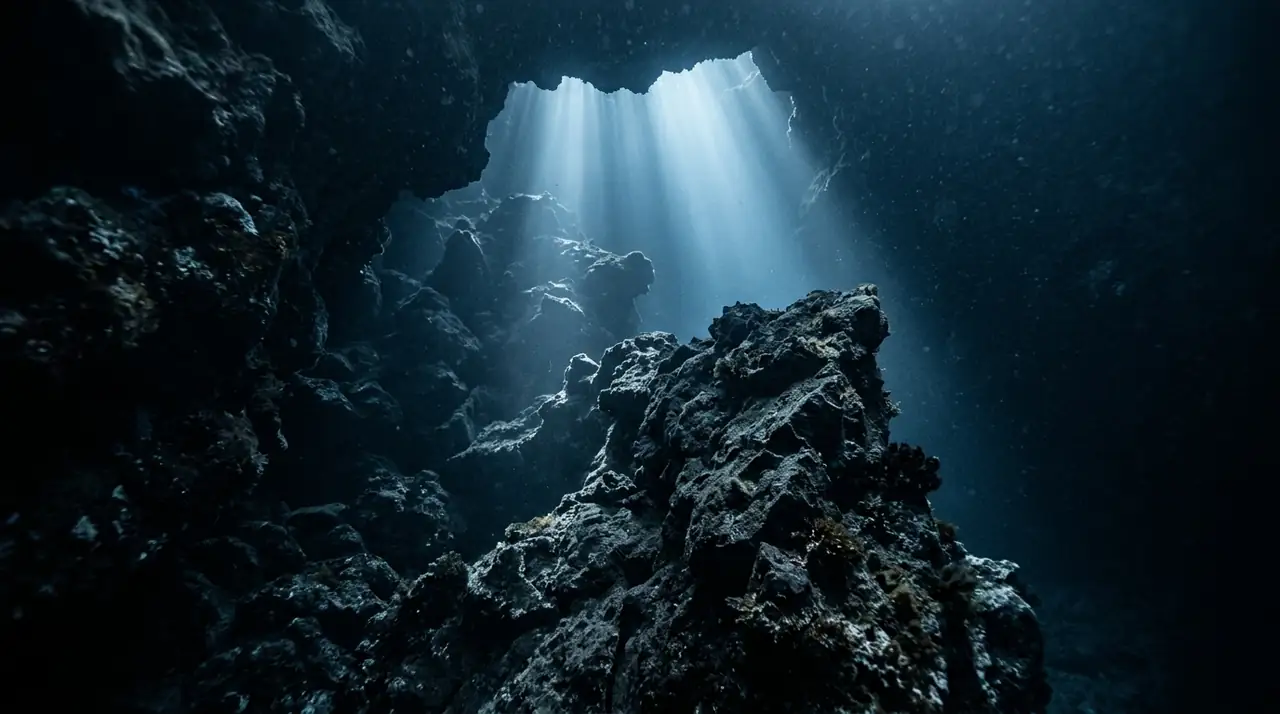
Daymaniyat Islands Nature Reserve
Overview
The Daymaniyat Islands Nature Reserve is a chain of nine uninhabited islands approximately 18 kilometres northwest of Muscat, forming one of the Arabian Peninsula's most important marine protected areas. Declared a nature reserve in 1996, these reefs have benefited from decades of protection, resulting in biodiversity that contrasts remarkably with the heavily developed coastlines of the wider Gulf region. I boarded the dive boat at Al Mouj Marina before sunrise, and within forty minutes we were anchoring in calm, turquoise water. Descending onto the reef, the hard coral coverage immediately impressed -- table corals spanning over a meter, dense staghorn formations in pastel blues and pinks, and massive Porites bommies rising from the sandy bottom. Within minutes, a hawksbill turtle glided past, completely undisturbed. These islands are one of Oman's most important hawksbill nesting sites, providing near-guaranteed turtle encounters on every dive. The reef fish community is dense and diverse. Parrotfish and surgeonfish graze across the coral, clouds of anthias hover over every formation, and butterflyfish patrol their territories. Moray eels coil in crevices, their yellow-green bodies contrasting with surrounding coral. On the reef slope, blacktip reef sharks cruise with measured indifference, and eagle rays occasionally sweep past in the blue. The real excitement comes in autumn and winter when whale sharks arrive. During a surface interval, our captain spotted a shadow beneath the surface -- a four-meter whale shark filtering plankton just below the waterline. Slipping in with mask and snorkel, I swam alongside it for nearly ten minutes, its cavernous mouth opening and closing with mechanical rhythm. The nature reserve status limits visitor numbers, meaning you rarely share a site with more than one other boat. For divers based in Muscat, the Daymaniyat Islands deliver a protected reef experience that justifies Oman's growing reputation as a serious diving destination.
Early access
Plan a dive here
Open the DiveOne planner to sketch a recreational plan before you go. It is a planning assistant, not a dive computer.
Marine life
Dive profile
DEPTH PROFILE
DEPTH PROGRESSION & WAYPOINTS: Daymaniyat Islands Nature Reserve
Location
Frequently asked questions
Do I need a permit to dive the Daymaniyat Islands?
Yes, the Daymaniyat Islands are a designated nature reserve and access requires a permit issued by Oman's Environment Authority. Dive operators based in Muscat arrange permits as part of their trip packages, but availability is limited during turtle nesting season (typically June to November) when landing on certain islands is prohibited. Diving around the reefs remains possible year-round with proper permits, but advance booking through a licensed operator is essential.
When is the best time to see whale sharks at the Daymaniyat Islands?
Whale sharks visit the waters around the Daymaniyat Islands primarily between October and March, with peak sightings in November and December. The seasonal shift in Gulf currents brings nutrient-rich water and plankton blooms that attract these filter feeders. Encounters are typically at or near the surface and can occur during boat transits to dive sites as well as during dives. Sightings are not guaranteed but are frequent enough during peak months to justify dedicated whale shark trips offered by Muscat dive operators.
How far are the Daymaniyat Islands from Muscat?
The Daymaniyat Islands lie approximately 18 kilometres off the coast northwest of Muscat. Dive boats typically depart from the Al Mouj Marina or nearby harbours, with a transit time of 30 to 50 minutes depending on sea conditions and boat speed. Most operators run full-day trips with two dives and lunch, departing early morning and returning by mid-afternoon. The proximity to Muscat makes this one of the most accessible world-class reef systems in the Arabian Peninsula.
Reviews
Reviews
No reviews yet
Data Provenance
This profile is compiled from 3 operator submissions and 142 community logs. Key facts (depth, entry) are verified against official hydrographic charts.