Crocodile Island
Overview
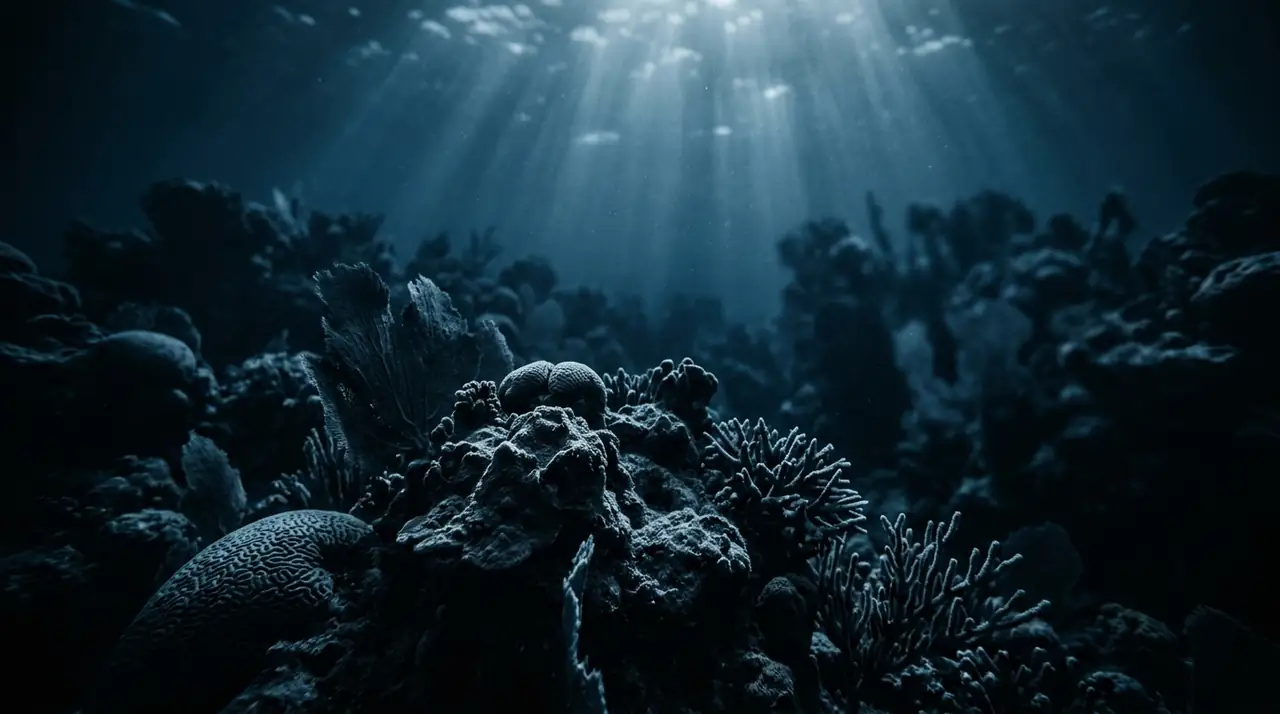
Crocodile Island earns its name from its profile against the horizon: a low rocky islet with a bumpy spine resembling a crocodile's back, sitting a kilometre and a half off Boracay's southeast shore. Beneath its unassuming surface, the island drops into coral-encrusted walls, crevice-riddled terrain, and swim-throughs that provide some of Boracay's best diving — a welcome counterpoint to the party-island reputation above water. The dive typically begins on the eastern side where a gentle slope descends from five to fifteen metres over healthy hard coral. Anemone colonies dot the slope, each hosting their territorial clownfish pairs. Moray eels peer from holes in the coral rubble, and scorpionfish sit in plain sight, relying on camouflage rather than flight. The shallows here are where banded sea kraits are most reliably encountered — graceful, black-and-white-ringed serpents that surface to breathe then dive back to hunt in crevices with focused efficiency. Moving around to the western face, the terrain steepens into a wall dropping to twenty-two metres. Overhangs create shadowed cavities where lionfish hover and sweetlips rest in stacked formations. A swim-through near the southern tip allows passage through a narrow rock gap where the light filters in dramatically from above, creating photographic opportunities that belie the site's modest depth. The reef fish density at Crocodile Island is impressive for a site so close to heavy tourism. Parrotfish, wrasse, and butterflyfish swarm the upper reef sections, while blue-spotted stingrays rest on the sandy patches between coral heads. Octopuses are common in the rubble zones, their presence betrayed by middens of empty shells outside their dens. From a practical standpoint, Crocodile Island is Boracay diving at its most accessible. The ten-minute boat ride, calm conditions during season, and range of depths make it suitable for everyone from discover scuba participants to experienced photographers. It functions as proof that even the most touristic islands can harbour genuinely interesting dive sites, provided you are willing to go beneath the surface.
Early access
Plan a dive here
Open the DiveOne planner to sketch a recreational plan before you go. It is a planning assistant, not a dive computer.
Marine life
Dive profile
DEPTH PROFILE
DEPTH PROGRESSION & WAYPOINTS: Crocodile Island
Location
Frequently asked questions
Is Crocodile Island suitable for beginner divers?
Yes, Crocodile Island is one of Boracay's most popular sites for beginner and newly certified divers. The sheltered eastern side offers gentle coral slopes starting at 5 metres with mild currents, ideal for first open water dives. The deeper western wall sections and swim-throughs suit more experienced divers. Multiple operators offer introductory dives here as conditions are typically calm and depths are manageable.
Are the sea snakes at Crocodile Island dangerous?
Banded sea kraits are venomous but extremely docile and non-aggressive toward divers. They are focused entirely on hunting small fish in reef crevices and will ignore divers unless physically harassed. Encounters are common at Crocodile Island, particularly in the shallows where the snakes surface to breathe. Maintaining a respectful distance and avoiding touching or cornering them ensures completely safe encounters.
How far is Crocodile Island from Boracay White Beach?
Crocodile Island is approximately 1.5 kilometres off Boracay's southeast coast, a boat ride of around 10 minutes from most dive operator departure points. The short transit makes it viable for morning dives followed by afternoon beach time. Many operators combine Crocodile Island with nearby Angol Point or Yapak Wall for two-dive packages.
Reviews
Reviews
No reviews yet
Data Provenance
This profile is compiled from 3 operator submissions and 142 community logs. Key facts (depth, entry) are verified against official hydrographic charts.