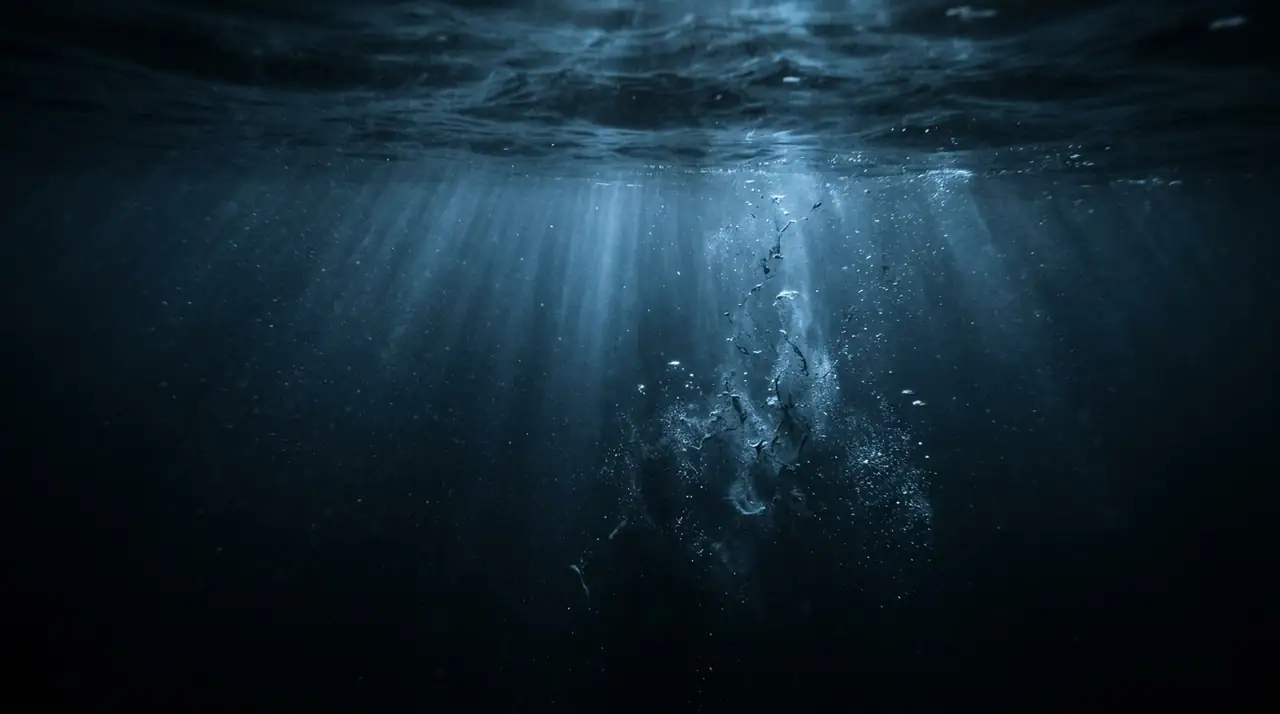
Coin de Mire
Overview
Coin de Mire is Mauritius diving at its most dramatic. This steep volcanic islet rises 150 metres above the sea approximately 8 kilometres north of the mainland, its sheer cliffs and wedge-shaped profile visible from beaches across the northern coast. Below the waterline, the volcanic topography continues in steep walls, natural arches, and caverns that host the best marine life in the Mauritius region, benefiting from clear oceanic water and current-delivered nutrients that the lagoon-protected mainland sites cannot match. The boat crossed open water from Grand Baie in twenty-five minutes, the islet growing from a distant silhouette into a formidable cliff face. We moored on the western side in the lee of the prevailing wind, and the water colour told the story immediately: deep blue fading to azure, with visibility exceeding 30 metres when I peered over the boat's edge. I descended along a volcanic wall that dropped from 5 metres to beyond recreational limits. The rock was dark basalt, perforated with holes and covered in encrusting organisms. At 15 metres, a natural arch perhaps 8 metres wide created a swim-through large enough for multiple divers. Sun shafts penetrated from above, illuminating schools of anthias that swarmed in the archway. On the other side, the wall continued its descent into blue-black depth. At 22 metres, a grey reef shark appeared along the wall edge, cruising south with measured strokes. It was followed at a distance by a second, then a third. Three sharks in loose procession along the deep wall. They showed awareness of our group but no alarm, maintaining their course with the confidence of apex predators in their home territory. Spotted eagle rays made two appearances during the dive, both times gliding past in the blue beyond the wall at 15 to 20 metres. A large school of barracuda circled above us during the safety stop, their silver bodies catching light in mesmerizing patterns. The shallower caverns on the southern side offered a different experience: dramatic light play in enclosed spaces, lobsters waving antennae from crevices, and scorpionfish perfectly camouflaged against volcanic rock. Coin de Mire is where Mauritius proves it can compete with the wider Indian Ocean for serious diving.
Early access
Plan a dive here
Open the DiveOne planner to sketch a recreational plan before you go. It is a planning assistant, not a dive computer.
Marine life
Dive profile
DEPTH PROFILE
DEPTH PROGRESSION & WAYPOINTS: Coin de Mire
Location
Near Grand Baie, in the Northern Islands region of Mauritius.
Frequently asked questions
How far is Coin de Mire from Grand Baie?
Coin de Mire is located approximately 8 kilometres north of Cap Malheureux, the northernmost point of mainland Mauritius. From Grand Baie, the boat journey takes between 20 and 40 minutes depending on sea conditions and vessel speed. Most dive operators in the Grand Baie and northern Mauritius area offer regular trips to the island. The crossing can be rough during the southeast trade wind season from June to September, which is one reason the October to April period is preferred.
Can you land on Coin de Mire island?
Coin de Mire is a nature reserve and landing is restricted without special permission from the Mauritian forestry service. The island is an important seabird nesting site and access is controlled to protect breeding colonies. For divers, all activity occurs in the water around the island rather than on land. The dramatic cliff faces are best appreciated from the boat between dives, rising 150 metres above the sea with sheer volcanic walls.
What are the diving conditions like around the island?
Coin de Mire offers significantly better visibility and more interesting topography than most mainland Mauritius dive sites. The island's exposed position in open water means cleaner oceanic water and visibility typically between 20 and 35 metres. However, this exposure also means conditions can change rapidly with swell and current. The western and southern sides offer the most shelter during the prevailing southeast trade winds. Multiple dive sites exist around the island suitable for different conditions and experience levels.
Reviews
Reviews
No reviews yet
Data Provenance
This profile is compiled from 3 operator submissions and 142 community logs. Key facts (depth, entry) are verified against official hydrographic charts.