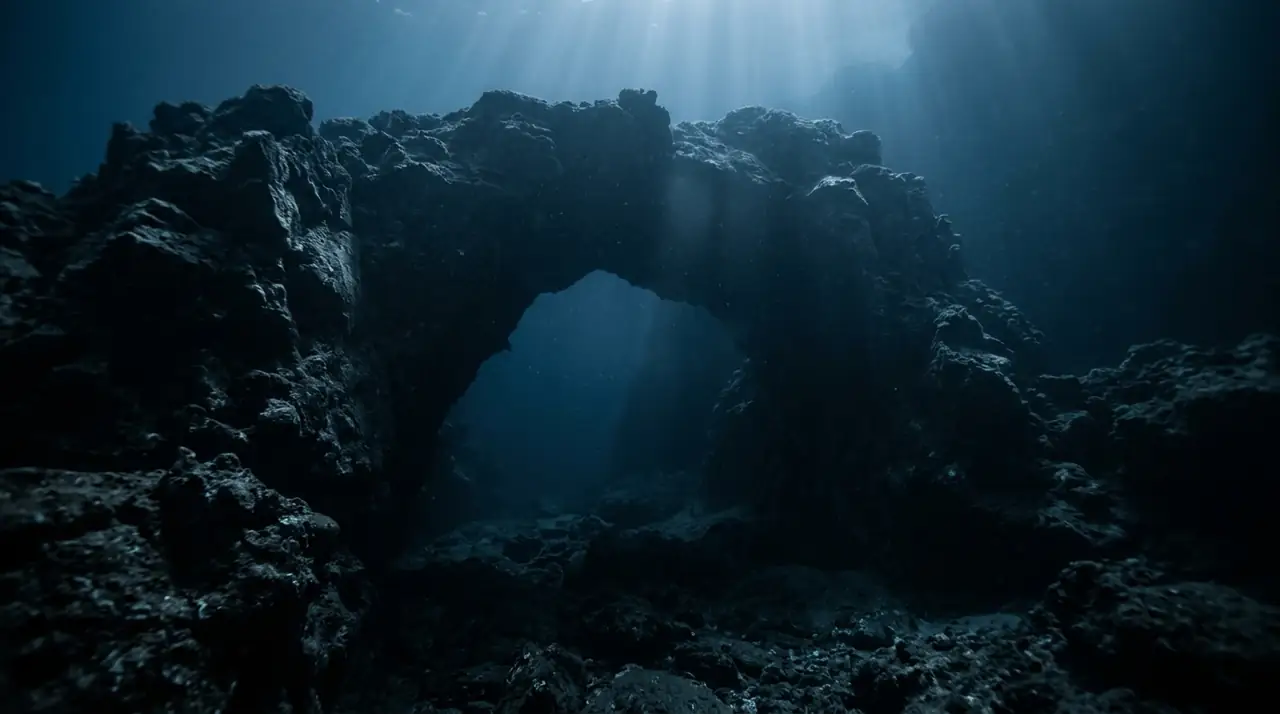
Clovelly Beach
Overview
Clovelly Beach occupies a narrow natural channel cut into the sandstone cliffs of Sydney's Eastern Suburbs, a sheltered sliver of ocean nestled between the coastal walk from Bondi and the rocky headlands of Gordons Bay. Above water, it is a favourite of local swimmers who lap the channel in all seasons. Below the surface, it is something else entirely: a protected aquatic reserve where decades of fishing prohibition have created a marine community of startling richness within earshot of one of the world's most famous urban coastlines. I arrived at Clovelly on a Tuesday morning in late November, choosing a weekday to avoid the crowds that flock to this pocket beach on weekends. The narrow bay was already busy with swimmers doing laps between the concrete walls, but the water beyond the swimming area, where the bay opens to the ocean, was empty. I geared up on the boat ramp, walked in carrying my fins, and began the dive by swimming south along the base of the sandstone wall. The blue groper found me before I found it. A massive eastern blue groper, easily a metre in length and weighing perhaps twenty kilograms, materialised from the kelp at five metres depth and swam directly toward my mask. Its scales were a deep, lustrous blue that seemed almost artificial in its intensity, and its thick lips were pursed in what appeared to be a perpetual pout. The groper circled me twice, maintaining eye contact with an intelligence that felt genuinely communicative, then settled beside me as if expecting conversation. Blue gropers in the Clovelly reserve have been protected for decades and have lost all fear of divers, making encounters with these charismatic fish one of Sydney's most unique diving experiences.
Early access
Plan a dive here
Open the DiveOne planner to sketch a recreational plan before you go. It is a planning assistant, not a dive computer.
Marine life
Dive profile
DEPTH PROFILE
DEPTH PROGRESSION & WAYPOINTS: Clovelly Beach
Location
Frequently asked questions
How do I enter the water at Clovelly Beach?
Clovelly Beach has one of Sydney's easiest shore entries for scuba diving. The main entry point is via the concrete boat ramp on the southern side of the narrow bay. Divers can gear up on the flat area beside the ramp and walk into the water carrying their equipment. The bay is sheltered from most swells, and the entry is calm even when nearby beaches are rough. An alternative entry is from the ocean pool at the southern end, which provides a zero-surf entry but requires climbing steps with full gear. Most divers enter from the ramp, swim south along the reef wall, and exit at the same point. Parking is available along Clovelly Road but fills quickly on weekends.
What is the best time of day and year to dive Clovelly?
Early morning dives on weekdays offer the best conditions with fewer snorkellers and swimmers sharing the water. The austral spring and summer from October to May provide the warmest water temperatures and best visibility, with January to March typically offering the clearest conditions. Winter diving from June to September is possible and brings different marine life including Port Jackson sharks that use the bay for breeding, but water temperatures drop to sixteen degrees and require thick wetsuits or dry suits. The site is diveable in most weather conditions due to its sheltered bay configuration, though heavy east swells can reduce visibility significantly.
Is Clovelly suitable for new divers and training?
Clovelly is one of Sydney's premier training sites for good reason. The maximum depth of around twelve metres keeps all activities within shallow limits, the protected bay eliminates surf entry concerns, and the abundant marine life maintains student interest throughout the dive. Many Sydney dive schools conduct Open Water certification dives here. The gentle bottom gradient allows easy depth control, and the reef walls of the narrow bay provide natural navigation references. Snorkellers frequently share the bay, so divers should carry surface marker buoys and maintain awareness during ascents. The site's only limitation for training is space: on busy summer weekends, multiple dive groups can create crowding on the narrow reef.
Reviews
Reviews
No reviews yet
Data Provenance
This profile is compiled from 3 operator submissions and 142 community logs. Key facts (depth, entry) are verified against official hydrographic charts.