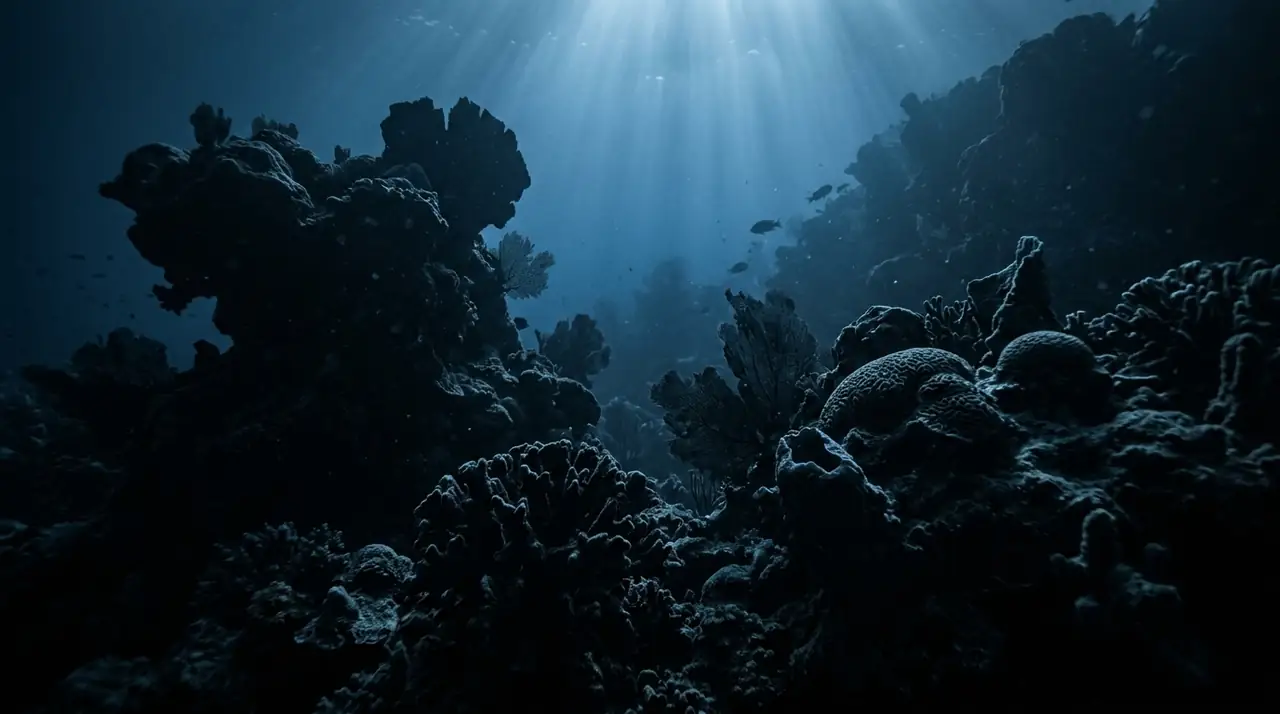
Chichijima - Bonin Islands
Overview
Chichijima, the main inhabited island of the Ogasawara archipelago, sits roughly 1,000 kilometres south of Tokyo in the vast Pacific Ocean. Often called Japan's Galapagos, this UNESCO World Natural Heritage Site is one of the most remote and rewarding dive destinations in the country, accessible only by a 24-hour ferry voyage from the capital. The isolation has preserved a marine ecosystem of extraordinary richness and diversity. The diving around Chichijima encompasses over 50 documented dive points, ranging from WWII shipwrecks encrusted with soft corals to dramatic underwater caves, swim-throughs, and volcanic rock formations. The most famous encounter is with sand tiger sharks, which gather in impressive numbers around the Japanese military vessels sunk in Futami Port during World War II. These imposing but docile sharks, with their unmistakable jagged teeth, cruise slowly around the wrecks at depths of 15 to 25 metres, offering extraordinary close encounters. Above the waterline, wild dolphin encounters are a signature Ogasawara experience. Pods of spinner and bottlenose dolphins are resident year-round, and dive boats regularly stop for in-water dolphin swims between dive sites. The dolphins are wild but habituated to human presence, often initiating playful interactions. From January through April, humpback whales migrate to these waters to breed, and their haunting songs can sometimes be heard resonating through the blue during dives. The reef systems around Chichijima are in excellent condition, featuring healthy hard coral growth and an impressive variety of tropical reef fish, many found nowhere else in Japan. The Tuna Cave dive site lives up to its name with schools of dogtooth tuna, while deeper walls reveal Napoleon wrasses, giant trevallies, and the occasional eagle ray. Sandy areas between reef structures are rich in macro life, with garden eels and colourful shrimpgobies dotting the substrate. Visibility typically ranges from 20 to 40 metres, and water temperatures stay comfortable at 21 to 28 degrees Celsius depending on the season. The minimum six-day stay between ferry sailings allows divers to thoroughly explore this remarkable underwater wilderness.
Early access
Plan a dive here
Open the DiveOne planner to sketch a recreational plan before you go. It is a planning assistant, not a dive computer.
Marine life
Dive profile
DEPTH PROFILE
DEPTH PROGRESSION & WAYPOINTS: Chichijima - Bonin Islands
Location
Frequently asked questions
How do I get to Chichijima in the Ogasawara Islands?
The only way to reach Chichijima is by the Ogasawara-maru ferry from Tokyo's Takeshiba Pier. The journey takes approximately 24 hours and the ferry runs roughly once per week, departing Tokyo and returning from Chichijima on a fixed schedule. There is no airport on the island. Most visitors stay for a minimum of six days between ferry sailings, which allows ample time for multiple days of diving.
When can I see humpback whales while diving at Chichijima?
Humpback whales visit the Ogasawara Islands from January through April to breed and calve in the warm subtropical waters. While they are not typically seen on scuba dives, whale watching from boats between dives is spectacular, and their songs can sometimes be heard underwater. Sperm whales are present year-round in deeper offshore waters. The best diving conditions overall are from June through November when visibility peaks.
Are the sand tiger shark dives safe for intermediate divers?
Yes, sand tiger sharks at Chichijima are docile and accustomed to divers. They congregate around WWII-era shipwrecks in Futami Port at depths of 15 to 25 metres, well within recreational diving limits. Despite their fearsome appearance with rows of protruding teeth, sand tiger sharks pose no threat to divers and move slowly through the water. Local dive guides are experienced with these encounters and provide thorough safety briefings.
Reviews
Reviews
No reviews yet
Data Provenance
This profile is compiled from 3 operator submissions and 142 community logs. Key facts (depth, entry) are verified against official hydrographic charts.