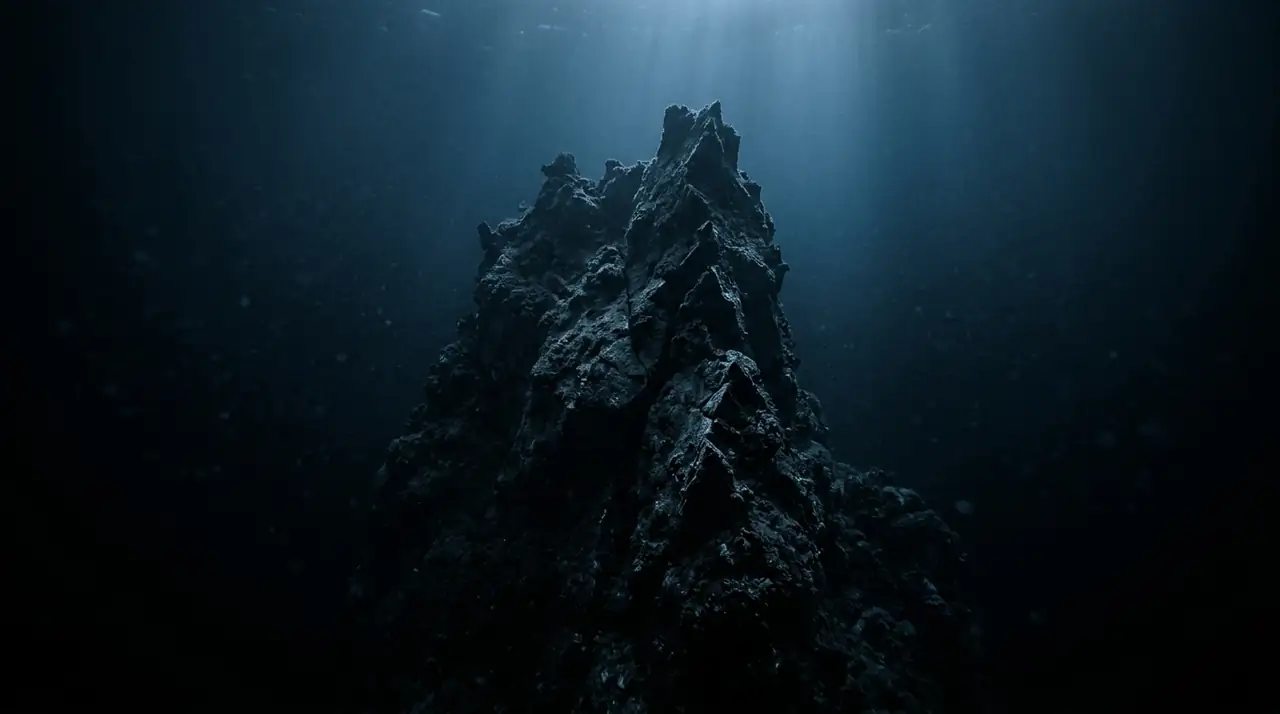
Chesil Beach Dorset
Overview
Chesil Beach is one of the great geological features of the English coast: a shingle barrier stretching 29 kilometres along the Dorset shore, part of the UNESCO Jurassic Coast World Heritage Site. For most visitors, it is a landscape feature viewed from the cliff paths above. For divers willing to navigate the challenging pebble entry, it reveals a surprisingly rich temperate marine world that rivals any shore dive in British waters. The entry is the test. Chesil's pebbles are large and round, shifting underfoot with every step, and the gradient drops steeply into the water. In full kit, the 50-metre walk from the car park feels like a mountaineering approach. But once you are through the surf zone and swimming out over the initial sandy seabed, the terrain changes to low rocky reef and the diving begins. I visit Chesil primarily for the cuttlefish. Each spring, from late April through June, hundreds of common cuttlefish converge on the shallow reef for mating. The males put on theatrical displays: pulsing with chromatic waves, extending tentacles in threat postures, and physically grappling with rivals. The females, usually attended by multiple suitors, eventually deposit grape-like clusters of black eggs on seaweed and dead men's fingers. In peak season, you can have a dozen cuttlefish visible simultaneously, and they are remarkably tolerant of patient divers who approach slowly. Beyond cuttlefish season, Chesil delivers rewarding diving year-round. The rocky reef supports a macro photographer's paradise: over thirty species of nudibranch recorded on this one site, from the electric blue and orange colours of Facelina auriculata to the subtle beauty of Coryphella lineata. Conger eels occupy permanent residences in the reef crevices, some individuals known to local divers for years and approaching two metres in length.
Early access
Plan a dive here
Open the DiveOne planner to sketch a recreational plan before you go. It is a planning assistant, not a dive computer.
Marine life
Dive profile
DEPTH PROFILE
DEPTH PROGRESSION & WAYPOINTS: Chesil Beach Dorset
Location
Frequently asked questions
When is the cuttlefish season at Chesil Beach?
The annual cuttlefish aggregation at Chesil Beach typically occurs from late April through June, peaking in May. Hundreds of common cuttlefish gather in the shallow waters off the beach for mating and egg-laying. Males perform competitive displays, changing colour and texture in dramatic confrontations. Females lay clusters of black eggs on seagrass and underwater structures. The event is one of the largest cuttlefish gatherings documented in UK waters and attracts underwater photographers from across Europe. The cuttlefish prefer calm conditions and are most active during early morning dives.
How difficult is the shore entry at Chesil Beach?
The shore entry at Chesil Beach requires reasonable fitness and preparation. The beach is composed of large pebbles that shift underfoot, making the walk to and from the water challenging in full dive equipment. The gradient is steep, meaning you enter waist-deep water within a few steps. Most divers kit up at the car park and walk approximately 50 metres across the shingle to the waterline. A surface swim of 50 to 100 metres reaches the reef and interesting terrain. Conditions are best with a southwesterly swell below one metre and on a rising tide.
What other marine life can be seen at Chesil Beach besides cuttlefish?
Chesil Beach supports a rich temperate marine ecosystem year-round. Conger eels occupy crevices in the rocky reef, some exceeding two metres in length. Over thirty species of nudibranch have been recorded, making it a premier UK macro photography site. Spider crabs aggregate in shallow water during spring moults. Short-snouted seahorses are occasionally found in seagrass areas. Ballan and cuckoo wrasse are abundant on the reef, and bass patrol the edges. Lobsters and brown crabs occupy holes in the rock throughout the year.
Reviews
Reviews
No reviews yet
Data Provenance
This profile is compiled from 3 operator submissions and 142 community logs. Key facts (depth, entry) are verified against official hydrographic charts.