Cham Islands (Cu Lao Cham)
Overview
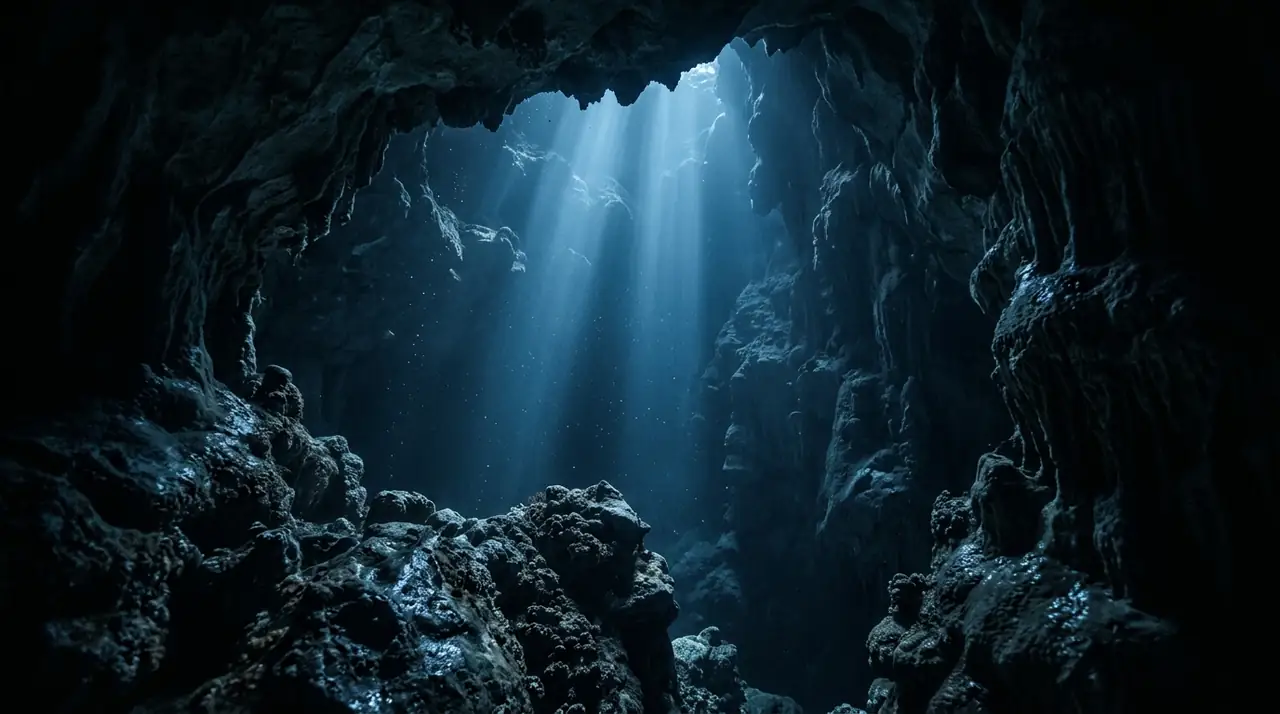
The Cham Islands, known locally as Cu Lao Cham, are a cluster of eight small islands lying eighteen kilometres off the coast from the ancient port town of Hoi An in central Vietnam. Designated a UNESCO Biosphere Reserve in 2009, the archipelago has benefited from increasingly effective marine protection that is slowly restoring reefs damaged by decades of dynamite fishing and coral harvesting. Diving here will not rival the Coral Triangle's spectacle, but it offers something valuable in its own right: the chance to witness a reef system in active recovery, where every new coral colony and returning fish school represents a small conservation victory. I dived the Cham Islands on three consecutive July mornings, making the twenty-five-minute speedboat crossing from Cua Dai beach each day. The islands appeared through the morning haze as a cluster of green peaks, their forested slopes descending to rocky shorelines fringed by small beaches. The dive sites are concentrated on the western and southern sides of the main island, Hon Lao, where the reef is most sheltered from the prevailing swells. The first dive site was a shallow reef starting at three metres and sloping to eighteen. The coral recovery was immediately visible. Young Acropora colonies the size of dinner plates dotted the substrate between older, established coral heads, their growth a tangible measure of the protection programme's success. Clownfish in three species occupied their host anemones, the aggressive little Clark's anemonefish dominating the shallows while the more timid skunk anemonefish preferred the deeper stations. Nudibranchs were everywhere. I found seven species on the first dive alone, including a spectacular Spanish dancer that unfurled in a crimson spiral when disturbed from its resting spot. The macro hunting continued to reward attention throughout my visit. Pipefish clung to gorgonian fans with remarkable camouflage, their elongated bodies aligned perfectly with the fan branches. Blue-spotted stingrays rested on the sandy patches between coral formations, raising their spotted bodies on their pectoral fins when I approached too closely. A juvenile barracuda school, perhaps two hundred strong, formed a silver tornado in the midwater above the reef, their collective movement creating patterns that shifted like a murmuration of starlings. The deeper sites around the southern islands reached twenty-five metres and offered more dramatic topography. Boulder fields created swim-throughs and overhangs that sheltered groupers, moray eels, and lobsters. The soft coral coverage on these deeper formations was impressive, with purple and white dendronephthya clusters giving the rock faces a decorated, almost festive appearance. Angelfish in several species patrolled these deeper zones, their colours more vivid in the torchlight than in the filtered natural light. The combination of diving and Hoi An is the Cham Islands' ace card. After a morning underwater, I spent afternoons wandering the lantern-lit streets of the ancient town, eating pho in market stalls, and having diving wetsuits tailored alongside silk suits at Hoi An's famous cloth shops. It is a pairing that no other Vietnamese dive destination can match: world-class culture and improving underwater experiences within the same day trip. The diving alone would not justify a dedicated trip, but as part of a Hoi An itinerary, it adds a dimension that transforms a cultural holiday into something more complete.
Early access
Plan a dive here
Open the DiveOne planner to sketch a recreational plan before you go. It is a planning assistant, not a dive computer.
Marine life
Dive profile
DEPTH PROFILE
DEPTH PROGRESSION & WAYPOINTS: Cham Islands (Cu Lao Cham)
Location
Frequently asked questions
How do I get to the Cham Islands from Hoi An?
The Cham Islands are approximately 18 kilometres off the coast from Cua Dai beach near Hoi An. Speedboats make the crossing in about 25 minutes, while slower wooden boats take around 90 minutes. Several operators in Hoi An run day trips combining snorkelling or diving with island exploration. The marine park charges an entrance fee that includes a landing permit. During the diving season from June to September, departures are weather-dependent and may be cancelled during rough seas.
Is the diving at Cham Islands worth it compared to Nha Trang?
The Cham Islands offer a different experience from Nha Trang. Visibility is generally lower and the reefs are smaller in scale, but the marine park management has been more effective, resulting in healthier fish populations within the protected zones. The macro diving is excellent and often underrated. For divers already visiting Hoi An, the Cham Islands provide a convenient and worthwhile diving experience. Dedicated dive travellers seeking the best Vietnamese diving should consider the Cham Islands as a complement to Con Dao or Phu Quoc rather than a replacement for them.
What is the best time of year to dive the Cham Islands?
The diving season runs from June to September, coinciding with the calmest sea conditions and warmest water temperatures. July and August typically offer the best visibility and most consistent conditions. Outside this window, the northeast monsoon from October to February creates rough seas that make the crossing dangerous and diving conditions poor. March to May is a transitional period with improving but unpredictable conditions. The islands remain accessible for day tourism outside dive season, but underwater activities are limited.
Reviews
Reviews
No reviews yet
Data Provenance
This profile is compiled from 3 operator submissions and 142 community logs. Key facts (depth, entry) are verified against official hydrographic charts.