Cenote Taj Mahal
Overview
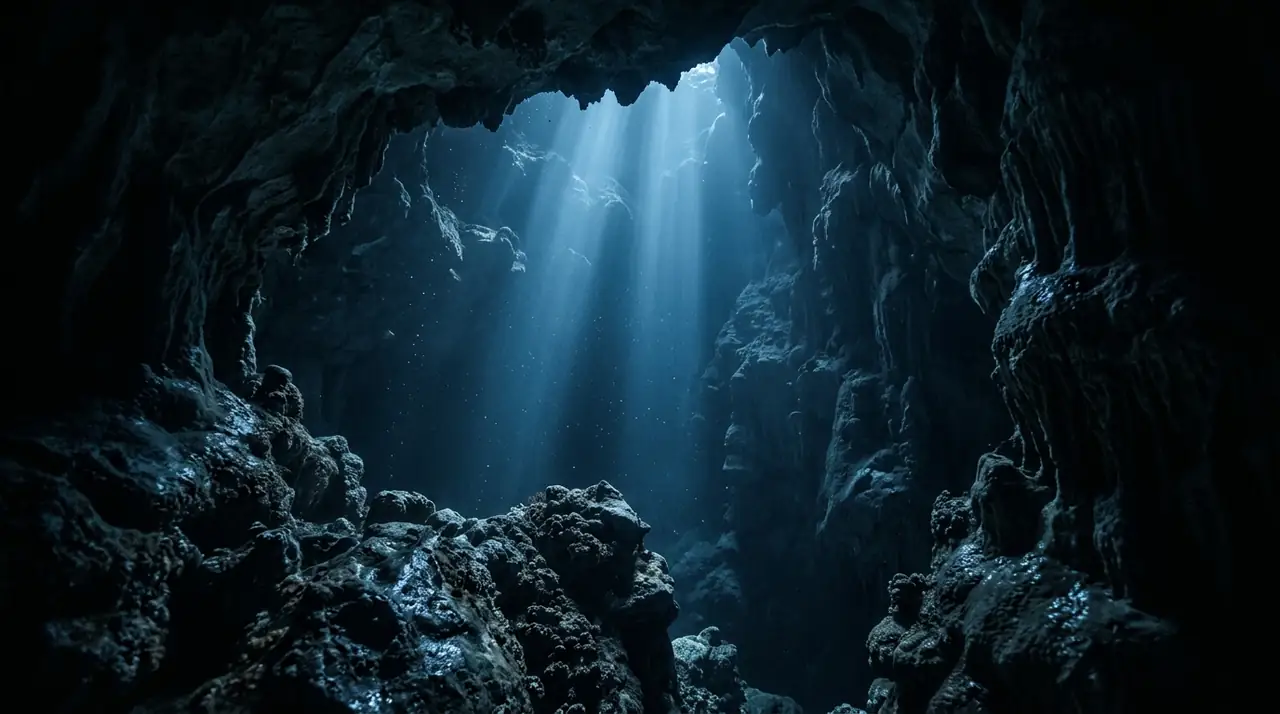
Cenote Taj Mahal lies along the highway south of Playa del Carmen, one of hundreds of cenotes punctuating the Yucatan limestone shelf but distinguished by formations of extraordinary delicacy. Where other cenotes in the Riviera Maya dazzle with sheer scale or dramatic depth, Taj Mahal captivates through the intricate beauty of its curtain stalactites, thin translucent sheets of limestone that hang from the cavern ceiling like frozen waterfalls of stone. The entry is a modest opening in the jungle floor, a wooden staircase descending to a pool of impossibly clear freshwater. Visibility here routinely exceeds fifty metres, and the water maintains a constant temperature near 25 degrees Celsius regardless of the tropical heat above. Gearing up on the platform and slipping beneath the surface feels like entering a different planet. The main cavern extends horizontally from the entry pool, and the first thing that strikes you is the silence. Without current, without surge, without even the hiss of bubbles from other divers, the stillness is absolute. Stalactites descend from the ceiling in every conceivable form: columns, spears, chandeliers, and the signature curtains that give this cenote its reputation. These curtain formations are translucent when backlit, glowing amber and gold as your torch passes behind them. The cavern route follows a permanent guideline through several chambers, each with distinct character. One section opens to a small jungle hole above, and when the mid-morning sun reaches the correct angle, beams of light lance through the water with the precision of spotlights on a stage. Suspended particles become visible in these shafts, creating volume and dimension. Depth throughout the cavern zone rarely exceeds twelve metres, making Taj Mahal accessible to open water certified divers with a qualified guide. The lack of current means air consumption is minimal, and dive times of sixty minutes or more are common. Small freshwater fish hover near the entrance where light sustains algae growth, but deeper into the cavern, life gives way to pure geology. The formations took tens of thousands of years to develop during ice ages when sea levels dropped and the caves were dry.
Early access
Plan a dive here
Open the DiveOne planner to sketch a recreational plan before you go. It is a planning assistant, not a dive computer.
Marine life
Dive profile
DEPTH PROFILE
DEPTH PROGRESSION & WAYPOINTS: Cenote Taj Mahal
Location
Near Playa del Carmen, in the Quintana Roo region of Mexico.
Frequently asked questions
How is Cenote Taj Mahal different from Dos Ojos or Gran Cenote?
Cenote Taj Mahal is distinguished by its exceptional curtain stalactites, thin translucent sheets of limestone that hang from the ceiling in delicate folds resembling draped fabric. While Dos Ojos is known for its enormous cavern passages and Gran Cenote for its open-air swimming areas, Taj Mahal offers a more intimate cavern experience with formations of unusual beauty. The cenote is also less visited than the more famous sites, meaning divers often have the cavern to themselves. The maximum depth of around 15 metres keeps it accessible for certified open water divers accompanied by a qualified cavern guide.
Do I need a cave diving certification to dive Cenote Taj Mahal?
No cave diving certification is required for the cavern zone of Cenote Taj Mahal. Open water certified divers can explore the cavern areas with a qualified guide, always remaining within natural light reach. The cavern route follows a permanent guideline and stays within recreational depth limits. However, the cenote connects to extensive cave passages that form part of the Sac Actun system, and penetrating beyond the cavern zone requires full cave diving certification and equipment. Most recreational divers find the cavern zone more than sufficient, as it contains the most impressive formations and light effects.
What is the best time of day to dive Cenote Taj Mahal?
The most spectacular light effects at Cenote Taj Mahal occur during mid-morning, typically between 10 and 11 AM, when the sun reaches the correct angle to send beams through the jungle canopy openings into the water. These light shafts create a cathedral-like atmosphere as they illuminate the stalactite formations and the silty bottom. Afternoon dives offer softer, more diffused light that is also beautiful but less dramatic. The cenote is open year-round, and water conditions remain remarkably consistent regardless of season, with temperatures holding steady around 25 degrees Celsius.
Reviews
Reviews
No reviews yet
Data Provenance
This profile is compiled from 3 operator submissions and 142 community logs. Key facts (depth, entry) are verified against official hydrographic charts.