Cayo de Agua
Overview
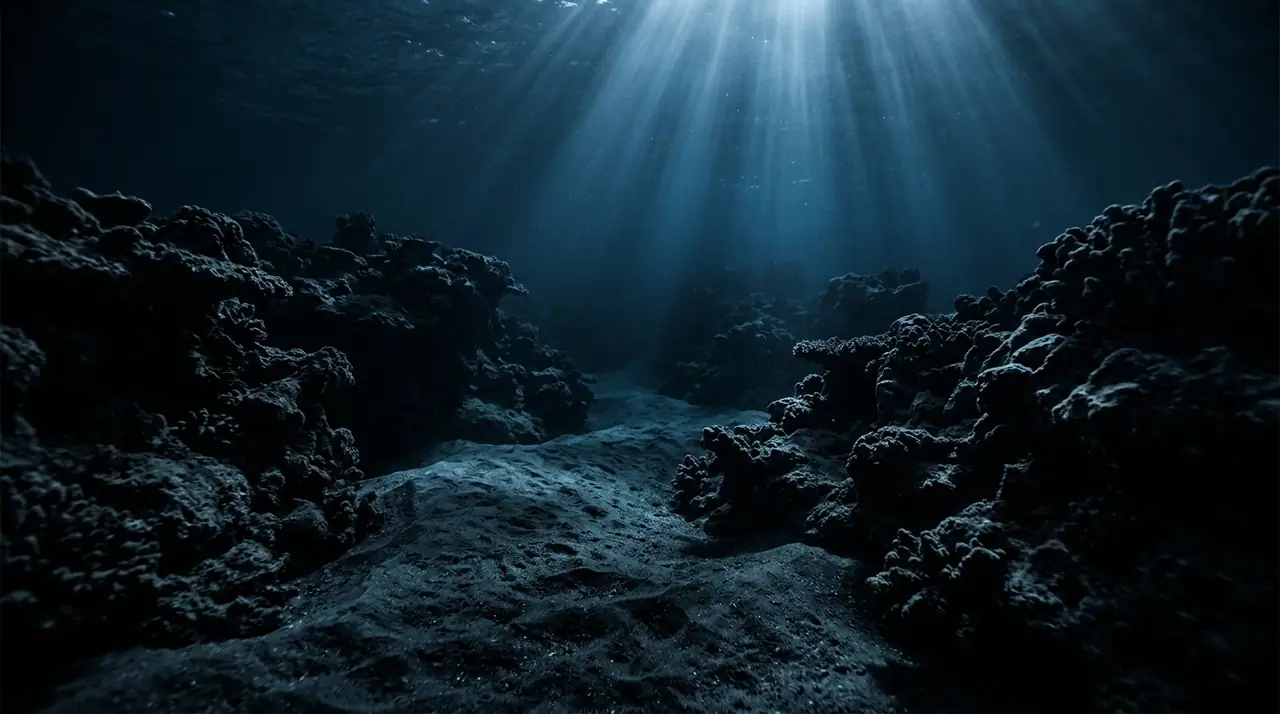
Cayo de Agua lies at the western extreme of the Los Roques Archipelago, Venezuela's crown jewel of marine conservation and the largest marine national park in the Caribbean Sea. This small coral cay, with its iconic sandbar connecting two islands at low tide, sits within a vast protected area of 221,120 hectares that encompasses roughly 350 islands, cays, and islets approximately 150 kilometres north of Caracas. The diving around Cayo de Agua benefits from its position on the outer edge of the archipelago, where the shallow reef platform drops away to open Caribbean water. The reef on the windward side features spectacular wall dives, with the reef crest giving way to a vertical drop that plunges past 30 metres. The walls are adorned with massive barrel sponges, purple sea fans, and intricate gorgonian corals. In the blue water beyond the reef edge, barracuda, tuna, and occasionally dolphins cruise past. On the leeward side, sheltered patch reefs in shallow water provide completely different diving. Brain corals the size of small cars form the foundation of a thriving reef community, with angelfish, butterflyfish, and damselfish darting between the coral heads. Nurse sharks rest under ledges, moray eels peer from crevices, and lobsters are abundant in the rubble zones. Visibility here routinely ranges from 25 to 40 metres, among the best anywhere in the Caribbean. Los Roques has been a national park since 1972, and the long history of protection shows in the health and abundance of its marine life. Commercial fishing is heavily restricted, and the reefs show none of the degradation so common elsewhere in the Caribbean. Getting to Cayo de Agua requires a boat journey from Gran Roque, the only inhabited island with tourist infrastructure, but the reward is diving in waters that feel genuinely untouched. For divers seeking Caribbean reef diving in its purest form, Los Roques delivers an experience that is increasingly rare in the modern world.
Early access
Plan a dive here
Open the DiveOne planner to sketch a recreational plan before you go. It is a planning assistant, not a dive computer.
Marine life
Dive profile
DEPTH PROFILE
DEPTH PROGRESSION & WAYPOINTS: Cayo de Agua
Location
Near Gran Roque, in the Los Roques Archipelago region of Venezuela.
Frequently asked questions
What makes Los Roques special for diving?
Los Roques Archipelago is the largest marine national park in the Caribbean, comprising roughly 350 islands, cays, and islets spread across 221,120 hectares. Its remote location 150 kilometres north of Caracas, combined with strict national park protection since 1972, has preserved some of the most pristine coral reefs in the Caribbean. Visibility routinely exceeds 30 metres.
How do I get to Los Roques for diving?
Los Roques is accessible by small aircraft from Caracas, with flights taking approximately 40 minutes to the airstrip on Gran Roque island. From Gran Roque, boat transfers take divers to the various dive sites across the archipelago. Cayo de Agua lies on the western edge and requires a longer boat ride. Accommodation is available in posadas on Gran Roque.
Is it safe to travel to Venezuela for diving?
Los Roques operates somewhat independently from mainland Venezuela and has maintained a stable tourism infrastructure. The archipelago caters primarily to international visitors and has a dedicated community of posada owners and dive operators. However, travel advisories for Venezuela change frequently, so check current conditions before booking. Many divers report excellent and safe experiences at Los Roques.
Reviews
Reviews
No reviews yet
Data Provenance
This profile is compiled from 3 operator submissions and 142 community logs. Key facts (depth, entry) are verified against official hydrographic charts.