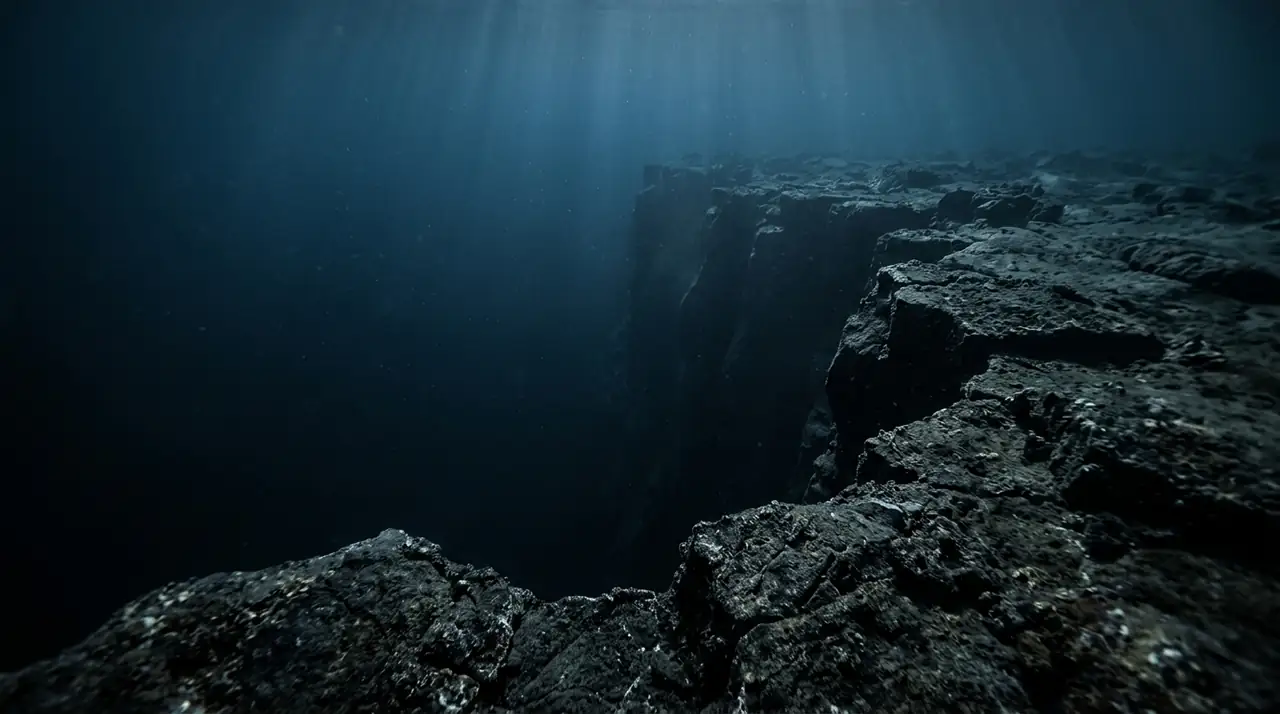
Catalina Island Wall
Overview
Catalina Island Wall is the Dominican Republic's premier wall dive and one of the finest vertical reef experiences in the Caribbean. Located off uninhabited Isla Catalina, roughly 30 kilometres southeast of La Romana, this dramatic coral cliff drops from a shallow reef plateau into deep Caribbean water. The combination of pristine wall conditions, outstanding sponge diversity, and reliable large-animal encounters makes this a dive that stands comparison with the best walls in the Cayman Islands or Turks and Caicos. I dropped over the wall edge from a healthy reef top at around 10 metres and felt the familiar Caribbean wall sensation: the bottom disappearing as the rock face went vertical and the blue deepened from turquoise to indigo. The wall was a gallery of Caribbean sponge life. Barrel sponges the size of washing machines occupied ledges. Purple tube sponges rose in clusters. Yellow rope sponges draped across the rock face, and encrusting sponges in reds, greens, and oranges covered every surface. At around 18 metres, a hawksbill turtle was working the wall face, its sharp beak tearing methodically at a sponge colony. It glanced at me with apparent indifference and continued feeding. Over two dives I counted four hawksbills, making this one of the most reliable Caribbean sites for turtle encounters. Deeper at around 30 metres, a Caribbean reef shark materialized from the blue, made a single pass along the wall edge, and vanished back into the depths. The surprise element of a reef shark appearing against the deep blue backdrop of the wall is its own kind of thrill. Some sections were sheer and smooth, others broken by ledges, small caves, and overhangs hosting nurse sharks, green moray eels, and copper sweepers. Sea whips and gorgonian fans extended from the face. Above the wall, the reef plateau offered healthy hard coral cover supporting queen angelfish, French angelfish, trumpetfish, and schools of creole wrasse. Catalina Island Wall combines accessible logistics with world-class wall diving, giving the Dominican Republic a legitimate claim to Caribbean diving that rivals far more expensive destinations.
Early access
Plan a dive here
Open the DiveOne planner to sketch a recreational plan before you go. It is a planning assistant, not a dive computer.
Marine life
Dive profile
DEPTH PROFILE
DEPTH PROGRESSION & WAYPOINTS: Catalina Island Wall
Location
Near La Romana, in the La Romana region of Dominican Republic.
Frequently asked questions
How do I get to Catalina Island for diving?
Catalina Island is reached by boat from La Romana or Bayahibe on the Dominican Republic's southeastern coast. Dive operators from both towns run regular day trips to the island, with the boat ride taking approximately 30 to 45 minutes depending on departure point. Most trips include two tank dives on the wall, surface interval on the island's beach, and lunch. La Romana is approximately 90 minutes by road from Punta Cana and two hours from Santo Domingo, making it accessible from multiple tourist areas.
What is the wall like at Catalina Island?
The wall at Catalina Island is a near-vertical coral cliff that drops from a shallow reef top at around 8 to 10 metres down into extremely deep water. The wall face is covered in a spectacular display of Caribbean sponges including barrel sponges large enough to sit in, purple tube sponges, yellow rope sponges, and encrusting varieties in every colour. Hard corals, sea whips, and gorgonian fans add to the visual complexity. Most recreational diving takes place between 15 and 35 metres along the wall face, where the concentration of marine life is highest.
What marine life will I see at Catalina Island?
Hawksbill turtles are the signature species, frequently seen feeding on sponges along the wall face. Caribbean reef sharks patrol the deeper sections and are regularly spotted at 25 to 35 metres. Nurse sharks rest on ledges and in small caves along the wall. The reef top hosts queen angelfish, French angelfish, and schools of yellowtail snapper. Green moray eels occupy crevices throughout the wall, and spotted drums are found in their characteristic hiding spots under ledges. Eagle rays occasionally pass along the wall edge.
Reviews
Reviews
No reviews yet
Data Provenance
This profile is compiled from 3 operator submissions and 142 community logs. Key facts (depth, entry) are verified against official hydrographic charts.