Capurgana
Overview
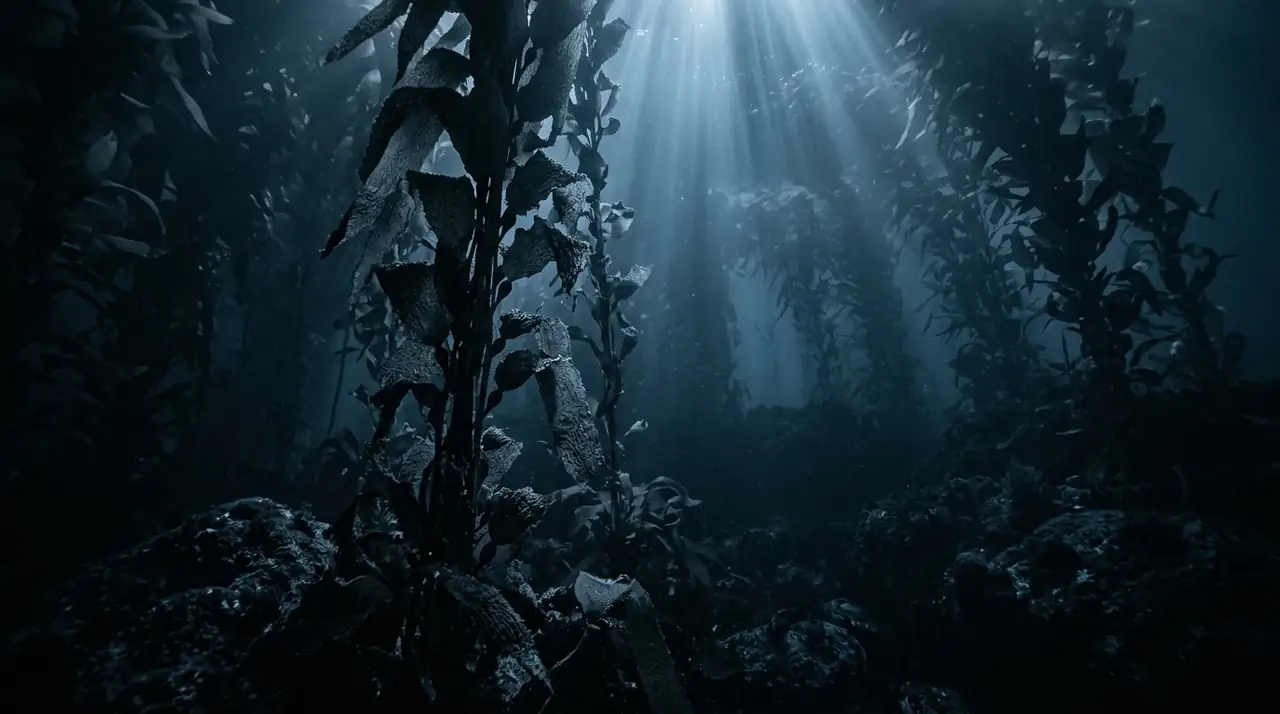
Capurgana is a roadless Caribbean village nestled against the jungle-covered hills of Colombia's Choco department, just kilometres from the Panamanian border and the impenetrable Darien Gap. There are no cars, no traffic lights, and no chain hotels. Reaching this place requires either a bumpy boat ride from Necocli across the Gulf of Uraba or a small propeller plane from Medellin, and this inaccessibility has preserved both the village's character and the marine environment offshore. The reefs around Capurgana are among the least-dived in the entire Caribbean basin. I arrived by boat on a December morning, the village appearing between coconut palms and forested hills with a simplicity that felt like stepping back several decades. By afternoon I was underwater on a reef site called La Coquerita, and the absence of diver impact was immediately evident. Coral heads rose from the sandy bottom in dense clusters, their surfaces unbroken by anchor damage or fin kicks. Sea fans grew to extraordinary size, their lacework structures filtering the mild current in shades of purple and amber. The reef architecture here features large boulder formations interspersed with sand channels, dropping from shallow terraces at five metres to walls and slopes reaching thirty metres. Brain corals of impressive dimensions dominated the shallows, many clearly decades old and still growing vigorously. The hard coral diversity was notable, with species I had rarely seen in such density on more accessible Colombian Caribbean sites. Marine life reflected the low fishing pressure. Green moray eels draped from crevices with the casual confidence of unpersecuted animals. Nurse sharks rested under coral overhangs, sometimes two or three stacked together. Hawksbill turtles were common, their distinctive overlapping scutes visible from a distance as they worked the reef for sponges. Schools of yellowtail snapper filled the water column, and queen angelfish in their royal blue and gold circled the coral heads with unhurried elegance. Capurgana's proximity to the Darien Gap and the Pacific-Caribbean watershed creates interesting ecological dynamics.
Early access
Plan a dive here
Open the DiveOne planner to sketch a recreational plan before you go. It is a planning assistant, not a dive computer.
Marine life
Dive profile
DEPTH PROFILE
DEPTH PROGRESSION & WAYPOINTS: Capurgana
Location
Frequently asked questions
How do I get to Capurgana for diving?
Capurgana has no road access and can only be reached by boat from Turbo or Necocli on the Gulf of Uraba coast, or by small aircraft from Medellin. The boat from Necocli takes approximately two hours and runs daily in the morning. Flights are available from Medellin on small prop planes but schedules are irregular and weather-dependent. Once in Capurgana, everything is walkable in the small village. There are a handful of basic but comfortable hotels, and the one dive operator typically runs morning two-tank trips to nearby reef sites.
What is the diving infrastructure like in Capurgana?
Diving infrastructure in Capurgana is basic compared to established Caribbean destinations. There is typically one dive operator with well-maintained equipment and bilingual guides. Tanks, weights, and standard rental gear are available, but divers with specific equipment preferences should bring their own. Nitrox is not available. The dive boats are pangas that reach the reef sites within 10 to 20 minutes. Dive sites are uncrowded and you will likely be the only boat at any given location. This stripped-down approach is part of the charm for divers seeking authenticity over resort amenities.
Is Capurgana safe to visit?
Capurgana has become increasingly safe and popular with Colombian and international travellers in recent years. The village is small, peaceful, and welcoming, with a community that depends on tourism. The region was historically affected by Colombia's internal conflict, but security has improved dramatically since the 2016 peace agreement. The main considerations are logistical rather than safety-related: limited ATMs mean bringing sufficient cash, medical facilities are basic, and transport schedules can be disrupted by weather. The diving community is small and tight-knit, and guides know the waters intimately.
Reviews
Reviews
No reviews yet
Data Provenance
This profile is compiled from 3 operator submissions and 142 community logs. Key facts (depth, entry) are verified against official hydrographic charts.