Cano Island
Overview
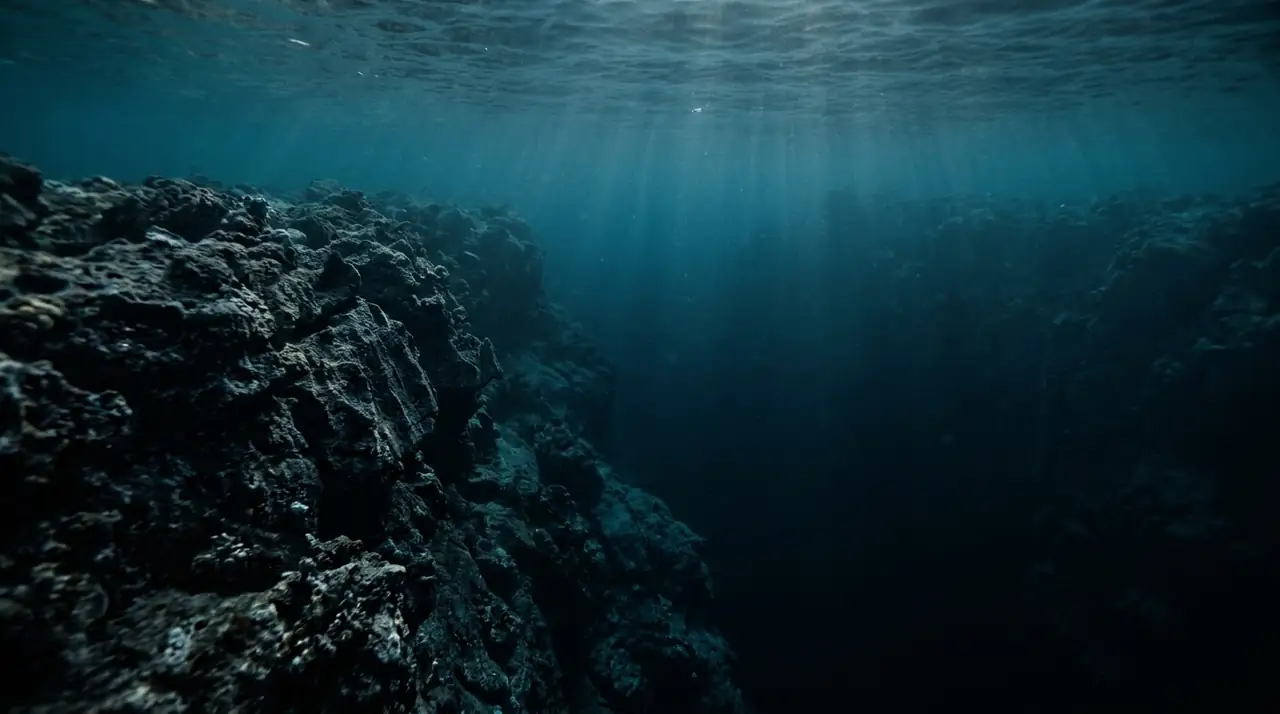
Cano Island rises from the Pacific Ocean roughly 17 kilometres off the wild Osa Peninsula, Costa Rica's last great wilderness on its southern Pacific coast. The island is a designated Biological Reserve, completely uninhabited and strictly protected, with no infrastructure beyond a ranger station and basic trail. This isolation, combined with nutrient-rich currents sweeping north from the Equatorial Counter Current, has created one of the most productive and biodiverse marine environments on the Central American Pacific coast. For divers based in Drake Bay, Cano Island is the centrepiece of what many consider Costa Rica's best Pacific diving. The boat ride from Drake Bay crosses open ocean for about forty-five minutes before the island's forested profile appears on the horizon. I descended at Bajo del Diablo, the most celebrated dive site, and the whitetip reef sharks were waiting. Not one or two, but an aggregation of at least twenty whitetips piled on top of each other on a sandy patch between basalt boulders, their bodies overlapping in a display of communal resting that never fails to astonish. The sharks lay motionless, gills pumping rhythmically, completely undisturbed by our group settling on the sand a few metres away. The rocky reef surrounding the island is constructed from volcanic basalt, creating dramatic formations of boulders, tunnels, and overhangs. Every surface is covered in marine life. Giant Panamic green morays draped from crevices, their bodies as thick as a diver's thigh. King angelfish and Cortez angelfish patrolled their territories with the aggressive confidence of fish that have never encountered a speargun. Schools of Pacific creolefish filled the water column in shimmering clouds of thousands. The pelagic dimension elevates Cano Island from excellent to exceptional. During my February visit, a school of scalloped hammerheads appeared at the edge of visibility, perhaps fifteen animals swimming in their characteristic formation at the boundary of the rocky reef and open water. The encounter lasted only minutes before they dissolved into the blue, but those minutes justified the entire trip. Whale sharks visit during late summer, and humpback whale songs provide an ethereal soundtrack during the southern migration months.
Early access
Plan a dive here
Open the DiveOne planner to sketch a recreational plan before you go. It is a planning assistant, not a dive computer.
Marine life
Dive profile
DEPTH PROFILE
DEPTH PROGRESSION & WAYPOINTS: Cano Island
Location
Frequently asked questions
How do I get to Cano Island for diving?
Cano Island is reached by boat from Drake Bay on the Osa Peninsula, a journey of approximately 40 to 50 minutes. Drake Bay itself is accessible by small aircraft from San Jose via Nature Air or Sansa, by boat from Sierpe, or by four-wheel-drive vehicle during the dry season. Several dive operators in Drake Bay run daily trips to Cano Island when weather permits, typically offering two-tank morning trips. The island is a Biological Reserve and no one lives there, so all trips are day visits with a park ranger on the island during operating hours.
What is special about the whitetip reef shark aggregations at Cano Island?
Cano Island is famous for its whitetip reef shark aggregations, where dozens of whitetips pile on top of each other on sandy patches between the rocks during daytime resting periods. It is common to see 15 to 30 sharks in a single heap, an extraordinary sight that reflects the genuinely protected status of the reserve. The sharks are completely habituated to divers and will not move unless approached too closely. These aggregations occur year-round but are most reliably seen at sites like Bajo del Diablo and Coral Garden. It is one of the most accessible and reliable shark encounters in the Eastern Pacific.
When do whale sharks and hammerheads visit Cano Island?
Whale sharks are most frequently reported at Cano Island from August through October, when nutrient-rich water and plankton concentrations attract them to the area. Sightings are not guaranteed but occur regularly enough during these months to justify a visit. Scalloped hammerheads are seen year-round but are most common during the cooler water months from December to April when visibility tends to improve. Humpback whales pass through from July to October during their southern hemisphere migration, and while they are not a dive attraction, their songs are often audible underwater during safety stops.
Reviews
Reviews
No reviews yet
Data Provenance
This profile is compiled from 3 operator submissions and 142 community logs. Key facts (depth, entry) are verified against official hydrographic charts.