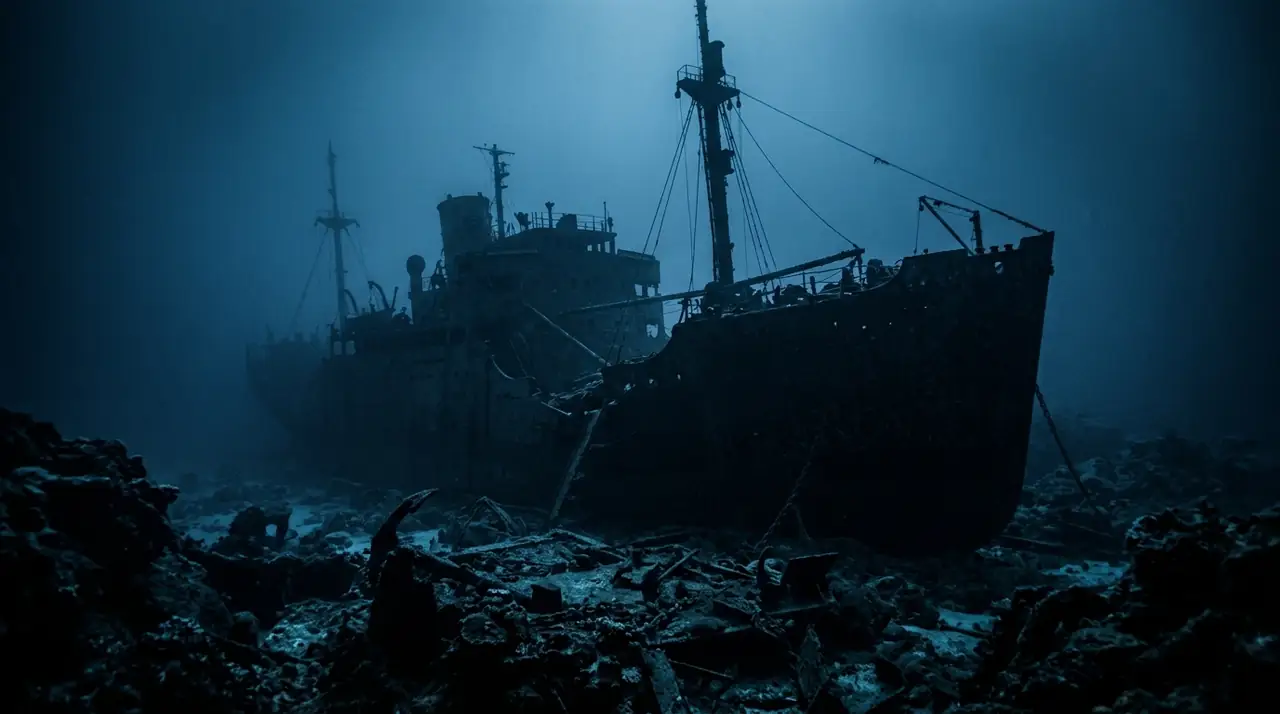
Cabo de Palos Islas Hormigas
Overview
Cabo de Palos guards the southeastern corner of Spain where the Mar Menor lagoon meets the Mediterranean, and offshore from this unassuming fishing village rises one of the most important marine reserves in European waters. The Islas Hormigas are a chain of volcanic pinnacles and small islets that break the surface two kilometres offshore, but the real drama lies below. The seamounts continue underwater, their walls plunging from near-surface to over 60 metres, creating a current-swept topography that concentrates marine life in Mediterranean quantities that seem almost tropical. I have dived Islas Hormigas across four seasons, and the site that consistently amazes is Bajo de Dentro, a submerged pinnacle rising to 12 metres from a base at 45 metres. Descending the mooring line, the first things you see are the groupers. Dusky groupers here are the largest and most numerous I have encountered anywhere in the Mediterranean, some exceeding 15 kilograms, and they approach divers with a bold curiosity that speaks of three decades without hunting pressure. On a summer morning, I had seven groupers within arm's reach simultaneously, each one watching me with those remarkably expressive dark eyes. The barracuda are Cabo de Palos's signature spectacle. Mediterranean barracuda aggregate here in schools that researchers have documented exceeding 1,000 individuals. The first time I saw the formation, I mistook it for a dark cloud moving across the reef. The school shifted and reformed above the pinnacle summit, a living silver wall that parted to flow around me and reformed behind. No other Mediterranean site produces barracuda aggregations of this scale. Eagle rays cruise the walls, occasionally in groups of four or five, their wings catching the light as they bank along the vertical rock face. Amberjack patrol the blue water off the pinnacle edges, and large dentex hover at depth. In autumn, ocean sunfish drift into the area, their bizarre flat bodies often spotted at the summit of Bajo de Dentro.
Early access
Plan a dive here
Open the DiveOne planner to sketch a recreational plan before you go. It is a planning assistant, not a dive computer.
Marine life
Dive profile
DEPTH PROFILE
DEPTH PROGRESSION & WAYPOINTS: Cabo de Palos Islas Hormigas
Location
Frequently asked questions
What makes the Islas Hormigas marine reserve special for diving?
The Islas Hormigas marine reserve, established in 1995, protects a chain of volcanic pinnacles and small islets off Cabo de Palos in southeast Spain. The seamounts rise from depths of 60 metres to near the surface, creating current-swept walls and pinnacles that attract extraordinary concentrations of Mediterranean pelagic life. Thirty years of protection have produced groupers that approach divers without fear and barracuda schools larger than any documented elsewhere in the Mediterranean. The reserve is consistently ranked among Europe's top dive destinations.
What certification level is needed for diving at Islas Hormigas?
Most dive sites at Islas Hormigas require Advanced Open Water certification due to depths ranging from 20 to 45 metres and moderate currents. The pinnacle dives involve descents to depth along walls with no nearby shallow reef, making buoyancy control and depth management essential. Some shallower sites near the islets are accessible to Open Water divers in calm conditions. Dive centres in Cabo de Palos and La Manga del Mar Menor offer daily boat trips to the reserve, with departures at 9 AM to reach the sites before afternoon wind picks up.
When are eagle rays and sunfish most commonly seen at Cabo de Palos?
Eagle rays are present at Islas Hormigas year-round but are most frequently encountered from May through October when water temperatures are warmer. They often cruise in groups along the seamount walls and around the pinnacle summits. Ocean sunfish, or mola mola, are seasonal visitors most commonly seen between September and December when thermocline movements bring them to diveable depths. Sunfish encounters are not guaranteed but occur with enough regularity to make autumn dives particularly exciting for divers hoping to add this species to their logbook.
Reviews
Reviews
No reviews yet
Data Provenance
This profile is compiled from 3 operator submissions and 142 community logs. Key facts (depth, entry) are verified against official hydrographic charts.