Browning Wall
Overview
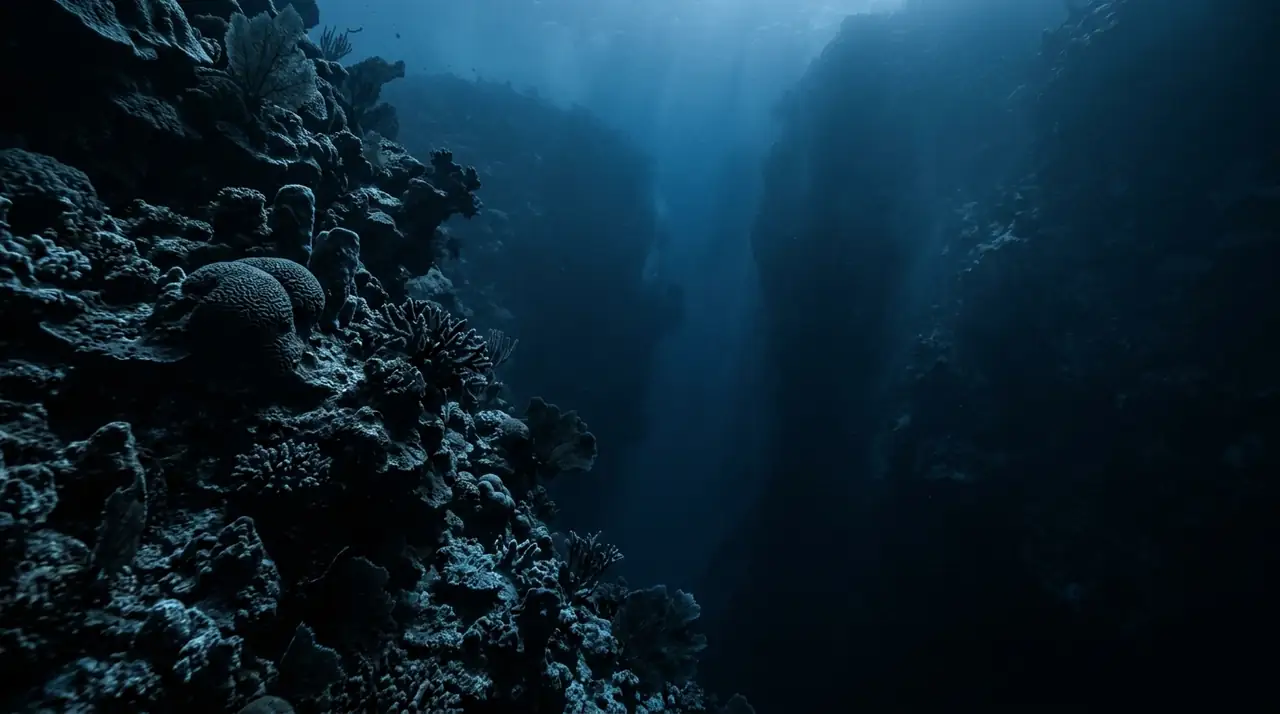
Browning Wall fundamentally changes your understanding of what cold water can offer. Located in the current-swept Browning Pass at the northern end of Vancouver Island, this vertical wall is blanketed in marine life so dense and colourful that first-time visitors routinely describe it as psychedelic. Jacques Cousteau reportedly identified these waters as among the best in the world, and having dived tropical reefs across four continents, I understand why. The wall drops vertically from about 3 metres to well beyond 30 metres, and every centimetre is colonised. Giant white plumose anemones cascade down the rock face in flowing carpets, interspersed with crimson strawberry anemones and electric-orange cup corals. Ancient cloud sponges, found in only a handful of locations worldwide, grow here in extraordinary density, some specimens exceeding two metres in diameter and estimated to be centuries old. These fragile glass sponges are a globally significant biological treasure. Between the invertebrate colonies, the wall teems with fish. Rockfish of multiple species hover motionless against the rock. Wolf eels peer from deep crevices with their characteristically craggy faces. Giant Pacific octopus hunt across the wall at night and can occasionally be spotted in their dens during the day. Nudibranchs in improbable colours creep across the sponges, delighting macro photographers. Diving here requires cold-water readiness. Temperatures range from 7 to 12 degrees Celsius, and a drysuit is standard. Currents in Browning Pass can run strongly, and dives are timed around slack tide windows. Visibility is best from September through April, often reaching 15 to 25 metres. The effort required is considerable, but Browning Wall rewards every bit of it — cold-water diving at its absolute pinnacle.
Early access
Plan a dive here
Open the DiveOne planner to sketch a recreational plan before you go. It is a planning assistant, not a dive computer.
Marine life
Dive profile
DEPTH PROFILE
DEPTH PROGRESSION & WAYPOINTS: Browning Wall
Location
Frequently asked questions
What exposure protection do I need for Browning Wall?
A drysuit is strongly recommended for diving Browning Wall, as water temperatures range from 7 to 12 degrees Celsius depending on season and depth. Most divers use a drysuit with a thick fleece or thinsulate undersuit. Some experienced cold-water divers use thick semi-dry suits, but drysuit certification and experience are advisable. Gloves and a hood are essential year-round.
Why is Browning Wall so famous for invertebrate life?
Browning Wall benefits from the nutrient-rich currents of Queen Charlotte Strait, which deliver a constant supply of plankton that feeds filter-feeding invertebrates. The wall's orientation exposes it to these currents, allowing dense colonies of giant plumose anemones, cloud sponges up to two metres across, and various hydrocoral species to flourish. The cold, nutrient-dense water creates conditions that simply do not exist in warmer seas.
How do I get to Browning Wall?
Browning Wall is accessed by boat from Port Hardy, located at the northern tip of Vancouver Island in British Columbia. Port Hardy is reachable by a six-hour drive from Nanaimo or by short flights from Vancouver. Several dive operators in Port Hardy offer boat charters to Browning Wall, typically as part of multi-dive day trips or multi-day liveaboard expeditions exploring the Browning Pass area.
Reviews
Reviews
No reviews yet
Data Provenance
This profile is compiled from 3 operator submissions and 142 community logs. Key facts (depth, entry) are verified against official hydrographic charts.