Blue Hole Dwesa
Overview
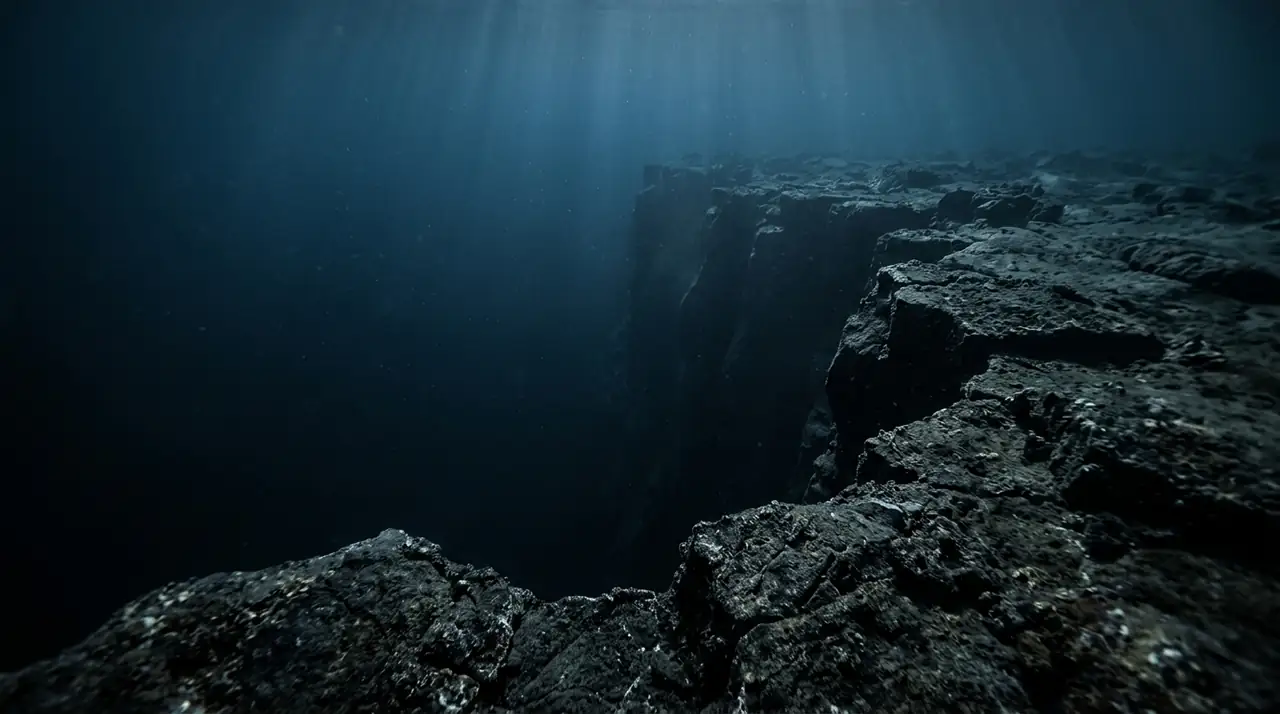
The Blue Hole at Dwesa lies within the Dwesa-Cwebe Marine Protected Area on South Africa's Wild Coast, a stretch of rugged, roadless shoreline between the Mbashe and Mthatha rivers in the Eastern Cape. This is frontier diving in every sense. The reserve is reached only by rough four-wheel-drive tracks through rural Transkei, the launch is from an exposed beach through surf, and the reef system below has been dived by fewer people than most wrecks on the Natal coast. We launched the inflatable through modest surf on a calm summer morning, motoring five minutes offshore to a GPS waypoint above the Blue Hole. Dropping in, I descended into warm blue water -- 23 degrees, a gift from the Agulhas Current -- and the reef materialised as a sprawling plateau of hard coral at 10 metres. Tabletop corals the size of dining tables spread across the rocky substrate, their surfaces swarming with damselfish and chromis. Brain corals and encrusting Montipora filled every gap, creating a solid living pavement. A large potato bass emerged from beneath an overhang, its mottled body drifting toward me with the bold curiosity this species is known for. It circled once, eye as large as a golf ball, then settled back into its shelter. Butterflyfish in yellow and black worked the coral surfaces, while a pair of tropical angelfish -- species more commonly seen in Mozambique -- hovered near a sea fan, their presence a testament to the warm current's reach. The Blue Hole itself is a depression where the depth drops to 18 metres, its walls covered in soft coral and sponge. Crayfish poked from crevices, antennae waving. Moray eels occupied holes at every level, some sharing space with cleaner shrimp. Schools of kingfish swept through on patrol, scattering smaller fish into the coral. Without the fishing pressure that has depleted so many South African reefs, Dwesa's marine life has the density and confidence of a time before humans started taking from the sea.
Early access
Plan a dive here
Open the DiveOne planner to sketch a recreational plan before you go. It is a planning assistant, not a dive computer.
Marine life
Dive profile
DEPTH PROFILE
DEPTH PROGRESSION & WAYPOINTS: Blue Hole Dwesa
Location
Near Coffee Bay, in the Eastern Cape region of South Africa.
Frequently asked questions
How do I access the Blue Hole at Dwesa?
Dwesa-Cwebe Nature Reserve is located on the Wild Coast of the Eastern Cape, approximately 280 kilometres northeast of East London. Access requires a four-wheel-drive vehicle along unpaved roads. The nearest town with services is Coffee Bay or Elliotdale. Dive operations are extremely limited; most visitors arrange trips through specialist operators in East London or Port St Johns who run expedition-style trips with inflatable boats launched from the beach.
Do I need a permit to dive in the marine protected area?
Yes. Dwesa-Cwebe is a no-take marine protected area managed by South African National Parks. Diving requires a SANParks permit obtained in advance. The number of divers permitted is strictly limited to protect the reef system. Conservation levies apply, and all activities within the reserve are subject to regulations including no collection of any marine organisms and mandatory dive briefings from reserve staff.
What makes Dwesa's coral unusual for South Africa?
Dwesa sits at the southern limit of subtropical coral growth in the western Indian Ocean. The Agulhas Current brings warm tropical water from Mozambique south along the coast, allowing hard corals to establish at latitudes where they would normally be absent. The reef here supports over 100 species of hard coral, a figure that surprises many divers who associate South African waters exclusively with kelp forests and temperate reefs.
Reviews
Reviews
No reviews yet
Data Provenance
This profile is compiled from 3 operator submissions and 142 community logs. Key facts (depth, entry) are verified against official hydrographic charts.