Blasket Islands
Overview
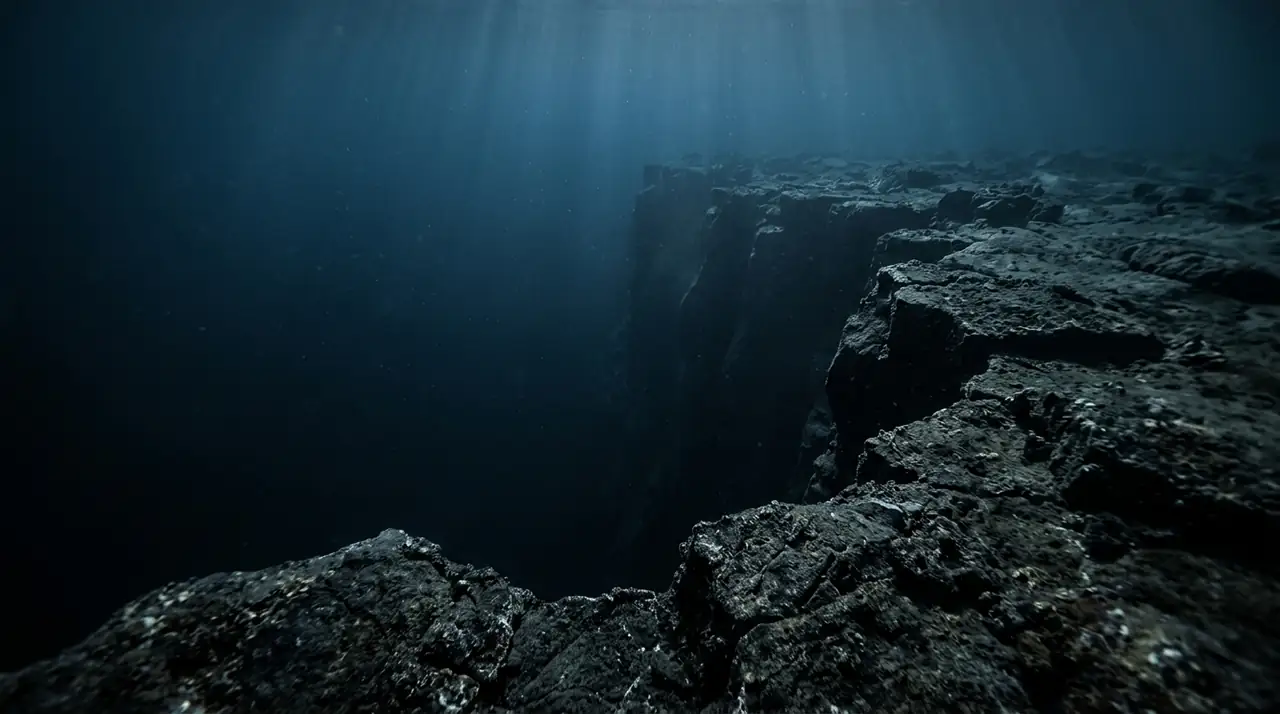
The Blasket Islands are a scattered archipelago flung into the Atlantic from the western tip of Ireland's Dingle Peninsula, the last landfall before the open ocean stretches to Newfoundland. Great Blasket, the largest island, was inhabited until 1953, and the abandoned stone village on its eastern slope is visible from the dive boat as you motor past. But it is the underwater landscape that draws divers to this remote outpost: sheer granite walls plunging into indigo water, sea caves carved by millennia of Atlantic swell, and a biomass fuelled by the nutrient-rich upwellings that make Ireland's southwest coast one of Europe's most productive marine environments. I dived the north wall of Beginish Island on a rare calm July morning, dropping in beside a vertical granite face that fell away into darkness below. The first ten metres were a forest of kelp, the thick stipes of Laminaria hyperborea rising from the rock like pillars supporting a swaying canopy. Beneath the kelp zone the wall was encrusted with jewel anemones in emerald, orange, and violet, so densely packed they formed a continuous carpet of colour. Ballan wrasse in their mottled green livery patrolled the crevices, while cuckoo wrasse in electric blue and orange darted between the jewel anemone clusters. At 20 metres the wall stepped back to form a wide ledge before dropping again, and here I found a sea cave entrance perhaps three metres wide and five metres tall. I switched on my torch and entered. The cave extended fifteen metres into the rock, narrowing gradually, its walls plastered with dead man's fingers coral and plumose anemones that waved in the gentle surge. At the back a chimney rose vertically, and a shaft of green Atlantic light filtered down from somewhere above, illuminating the cave interior with a spectral glow. A large European lobster occupied a crevice near the entrance, its blue-black carapace and long antennae catching my light.
Early access
Plan a dive here
Open the DiveOne planner to sketch a recreational plan before you go. It is a planning assistant, not a dive computer.
Marine life
Dive profile
DEPTH PROFILE
DEPTH PROGRESSION & WAYPOINTS: Blasket Islands
Location
Frequently asked questions
How do I get to the Blasket Islands for diving?
The Blasket Islands lie approximately 5 kilometres off the tip of the Dingle Peninsula in County Kerry. Dive boats depart from Dingle harbour or from the pier at Dunquin, and the crossing takes 20 to 40 minutes depending on conditions. The islands are fully exposed to Atlantic weather and swell, so trips are weather-dependent and cancellations are common. Most dive operators run trips from June through September when conditions are most favourable. Advance booking is recommended. There is no accommodation on the islands, so all trips are day excursions.
Can I see blue sharks at the Blasket Islands?
Blue sharks visit the waters around the Blasket Islands during the summer months, typically from July through September, when warmer Atlantic currents bring them close to the Irish coast. Dedicated blue shark snorkelling and diving trips are offered by some operators, using chum to attract the sharks to the boat in open water. These are drift encounters in blue water away from the islands themselves. Sightings are not guaranteed but success rates are high during peak season. The sharks are typically 1.5 to 2.5 metres long and are curious but not aggressive.
What diving experience is needed for the Blasket Islands?
The Blasket Islands are an exposed Atlantic site with strong currents, significant swell, and limited boat access. An advanced open water certification and experience with cold water, current diving, and boat entries in rough conditions are essential. A drysuit is strongly recommended. Most operators require a minimum of 30 to 50 logged dives. The sea caves require careful buoyancy and navigation skills. Weather windows can be narrow, so flexibility in your schedule is important.
Reviews
Reviews
No reviews yet
Data Provenance
This profile is compiled from 3 operator submissions and 142 community logs. Key facts (depth, entry) are verified against official hydrographic charts.