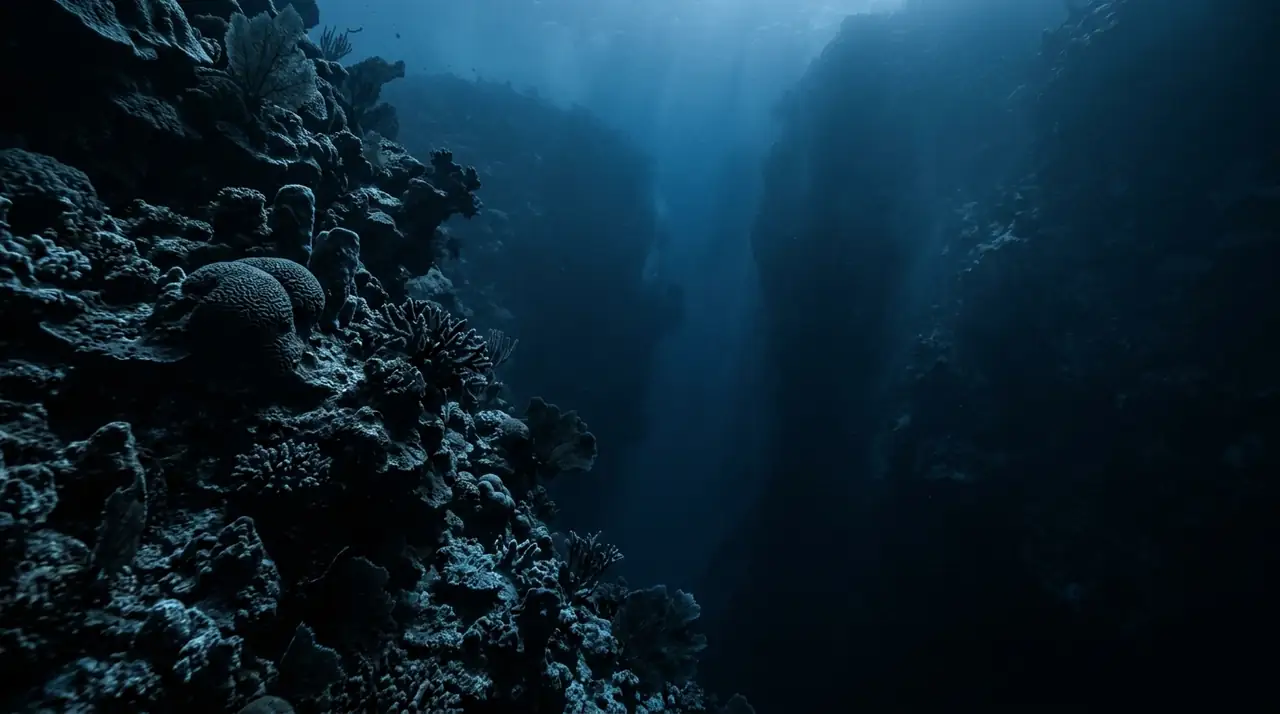
Bayahibe Wall
Overview
Bayahibe sits on the southeastern coast of the Dominican Republic, a former fishing village that has become the country's most important dive destination. The wall system here runs for kilometres along the coastline, dropping from shallow coral gardens into deep Caribbean water with a consistency and health that make it one of the best-kept secrets in Caribbean diving. The diving begins with a short boat ride from the village pier, rarely more than fifteen minutes to the nearest sites. The reef structure follows a typical Caribbean pattern: sandy bottom giving way to coral rubble, then a reef crest before the wall edge. What distinguishes Bayahibe is the density of large sponge growth. Barrel sponges the size of bathtubs, rope sponges in tangled masses, and tube sponges in vivid purple and yellow create a three-dimensional landscape that feels almost sculpted. The wall drops steeply at most points, with ledges and overhangs creating shelter for nocturnal species during daytime dives. Spotted drums hover in small caves along the wall face. Seahorses cling to gorgonian bases in shallow areas. Green moray eels occupy permanent residences in crevices, and on successive dives you begin to recognise individual animals. The St. George wreck, a cargo vessel deliberately sunk as an artificial reef, rests at around forty metres at the base of the wall. The wreck has been colonised rapidly by sponges and corals and attracts large schools of fish. Technical divers appreciate the depth and penetration possibilities, while recreational divers can observe the wreck from above. Parque Nacional del Este extends protection to much of the reef system east of Bayahibe, including the waters around Saona Island. This limits fishing pressure and has contributed to notably higher fish biomass compared to unprotected Dominican reef. Nassau groupers maintain breeding populations here. Hawksbill turtles nest on park beaches and are regularly encountered on the reef. Bayahibe's dive industry has matured over two decades, with professional operators offering multilingual guiding and good equipment. The village retains its fishing village character despite tourism growth, and diving here feels unpretentious and authentic.
Early access
Plan a dive here
Open the DiveOne planner to sketch a recreational plan before you go. It is a planning assistant, not a dive computer.
Marine life
Dive profile
DEPTH PROFILE
DEPTH PROGRESSION & WAYPOINTS: Bayahibe Wall
Location
Near Bayahibe, in the La Altagracia Province region of Dominican Republic.
Frequently asked questions
What is the diving like around Bayahibe?
Bayahibe offers a mix of wall diving, reef diving, and wreck diving along the southeastern coast of the Dominican Republic. The main wall system runs roughly parallel to the coast and drops from around 15 metres to well beyond recreational limits. Coral coverage is notably healthy due to the protection of Parque Nacional del Este, which encompasses much of the adjacent reef and coastline. The area is also known for macro life including seahorses, frogfish, and spotted drums that hide in crevices along the wall. Several wrecks have been sunk as artificial reefs, adding variety to multi-day dive itineraries.
Can I combine Bayahibe diving with visiting Saona Island?
Yes, Saona Island lies within Parque Nacional del Este and is accessible from Bayahibe by boat. While Saona is primarily known as a day-trip excursion beach, the reef around the island offers additional dive sites that some operators include in their itineraries. The shallow reefs on Saona's northern side are excellent for snorkeling and less experienced divers, while the deeper walls on the southern exposure offer more challenging diving. Some operators offer combined packages that include diving in the morning and a Saona Island beach visit in the afternoon.
How does Bayahibe compare to other Dominican Republic dive destinations?
Bayahibe is considered the premier dive destination in the Dominican Republic, ahead of Sosua on the north coast and Punta Cana to the east. The wall diving here is more developed and better protected than elsewhere in the country, and the proximity to Parque Nacional del Este ensures marine park regulations maintain reef health. The dive industry in Bayahibe is mature with multiple professional operators, good safety standards, and a variety of sites suitable for all levels. The main advantage over other DR destinations is the wall topography and overall reef condition.
Reviews
Reviews
No reviews yet
Data Provenance
This profile is compiled from 3 operator submissions and 142 community logs. Key facts (depth, entry) are verified against official hydrographic charts.