Batticaloa Bar Reef
Overview
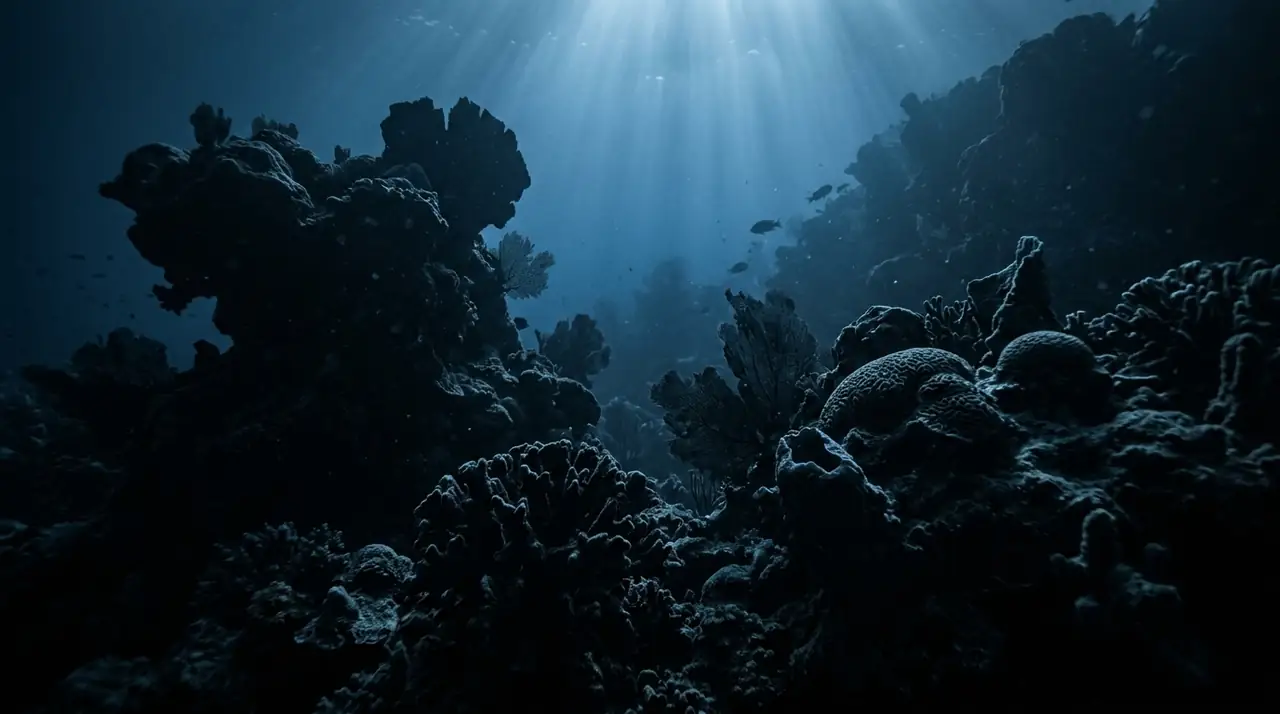
Batticaloa's coast spent decades hidden from the world. The civil war that scarred Sri Lanka's east sealed these waters off from tourism, and while divers flocked to the south and west coasts, the reefs off Batticaloa lay undisturbed. The conflict ended in 2009, and the marine ecosystem that emerged from those closed decades was in a state of recovery that few places on earth can match. The bar reef, a sandstone ridge running parallel to the coast at depths between eight and twenty-two metres, is now beginning to draw the first wave of visiting divers to a destination that feels genuinely undiscovered. Our boat launched from the fishing harbour in the grey pre-dawn and motored twenty minutes to the outer reef. The water changed from turbid green to a clear oceanic blue as we crossed the shelf break. I descended onto the bar reef in fifteen metres of water and found a landscape of tabletop corals and staghorn thickets that showed none of the bleaching scars visible on many Indian Ocean reefs. The coral here has had no human pressure for decades, no anchors, no fin kicks, no collection, and the result is a reef surface covered almost entirely in living tissue. Blue-spotted stingrays exploded from the sand as my shadow passed over them. A massive honeycomb moray shared a coral head with a pair of banded coral shrimp, their tiny claws grooming the eel's head in a classic cleaning symbiosis. Schools of yellowfin goatfish worked the sand margin, hovering nose-down as they probed for invertebrates. The fish here are not yet habituated to divers and show a wariness that is actually refreshing after sites where marine life has been trained by years of feeding. The guide tapped his tank and pointed into the blue. A shape resolved itself at the limit of visibility, too large for any reef fish, moving with the slow cadence of something very big. A whale shark. It materialised fully at about twelve metres above the reef, grey and spotted and absolutely enormous, its mouth opening and closing as it filtered the plankton-rich water. It passed over us at a leisurely pace, perhaps four metres above our heads, close enough to see the remora tucked behind its pectoral fin. The encounter lasted forty seconds before it dissolved back into the blue. On the second dive we explored a section of reef where manta rays had been reported. We did not find mantas but instead discovered a cleaning station occupied by a pair of sweetlips the size of footballs and attended by dozens of cleaner wrasses. The reef's fish populations are dense and visibly healthy, a living snapshot of what tropical reefs look like when human pressure is removed for long enough.
Early access
Plan a dive here
Open the DiveOne planner to sketch a recreational plan before you go. It is a planning assistant, not a dive computer.
Marine life
Dive profile
DEPTH PROFILE
DEPTH PROGRESSION & WAYPOINTS: Batticaloa Bar Reef
Location
Frequently asked questions
How do I get to Batticaloa and are there dive operators?
Batticaloa is located on Sri Lanka's east coast, about six hours' drive from Colombo or three hours from Trincomalee. A small domestic airport has occasional flights from Colombo. Dive infrastructure is still developing, with only two or three operators offering regular trips as of recent years. Most are run by local fishermen-turned-guides who know the reef locations intimately. Equipment standards vary, so experienced divers may prefer to bring their own regulators and computers. Accommodation ranges from basic guesthouses to a handful of mid-range hotels in Batticaloa town.
When can I see whale sharks at Batticaloa and are sightings reliable?
Whale shark sightings along the east coast are most frequent from March through May, coinciding with the northeast monsoon's waning and the onset of calmer seas. The sharks follow plankton blooms that develop as surface waters warm. Sightings are not as reliable as at established whale shark destinations like the Maldives or Mozambique, but local fishermen report encounters throughout the season and the numbers appear to be increasing as monitoring improves. Most encounters are snorkelling-based from boats, though divers occasionally meet them on the reef when conditions align.
Is it safe to dive at Batticaloa given its conflict history?
The civil conflict in Sri Lanka's eastern and northern provinces ended in 2009 and Batticaloa has been peaceful and open to tourism for over fifteen years. The area is safe for visitors and local infrastructure is steadily improving. There are no unexploded ordnance concerns at established dive sites. The Sri Lankan Navy occasionally conducts patrols offshore but these do not interfere with recreational diving. As with any emerging destination, it is wise to dive with a reputable local operator who knows the current conditions and maintains communication with coastal authorities.
Reviews
Reviews
No reviews yet
Data Provenance
This profile is compiled from 3 operator submissions and 142 community logs. Key facts (depth, entry) are verified against official hydrographic charts.