Batan Island Reef
Overview
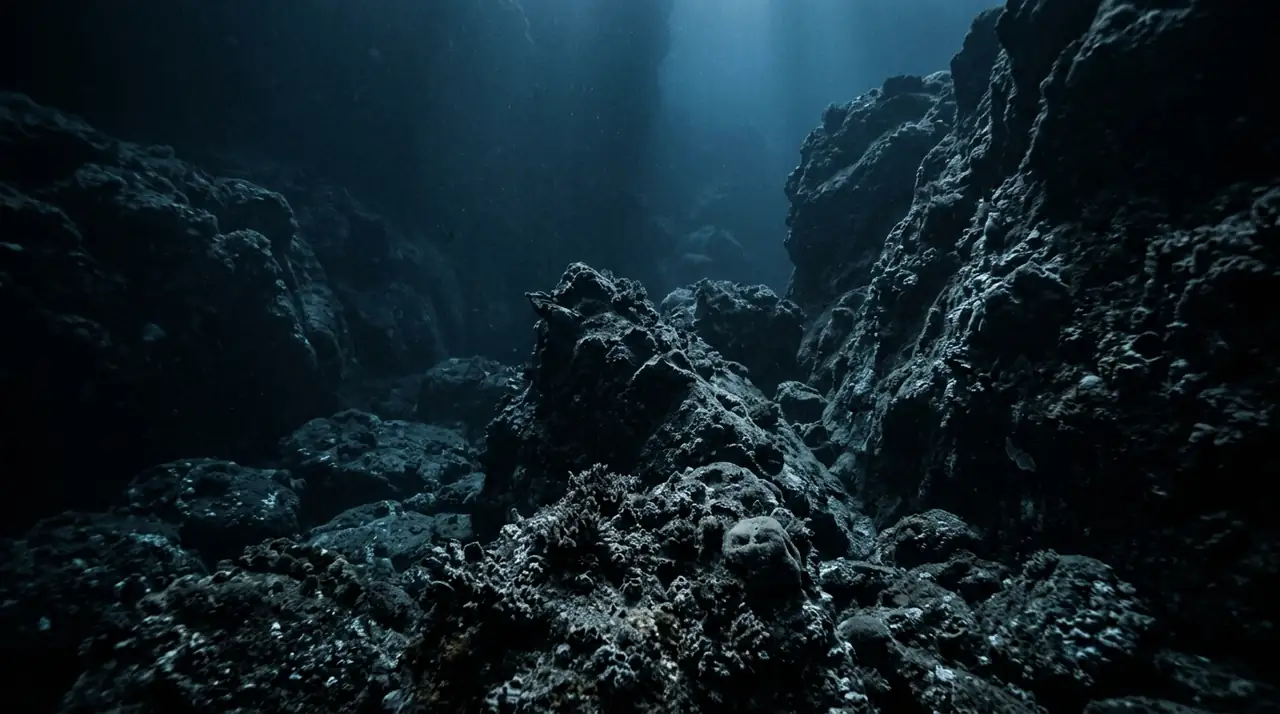
Batan Island sits at the extreme northern edge of the Philippine archipelago, closer to Taiwan than to Luzon, in the Luzon Strait where the Pacific Ocean meets the South China Sea. Diving here exists at the frontier of what is possible in the Philippines, a place where subtropical currents, volcanic geology, and near-total isolation from the dive industry create conditions unlike anything else in the country. The reefs around Batan are built on volcanic substrate, dark basalt formations that support coral communities adapted to cooler temperatures and stronger currents than their tropical counterparts further south. The species composition reflects the island's geographic position: Japanese parrotfish, subtropical triggerfish species, and temperate-water nudibranchs appear alongside tropical reef fish, creating a biodiversity overlap zone that marine biologists find fascinating. The Luzon Strait is one of the most powerful ocean passages in the western Pacific, funnelling water between the Pacific and the South China Sea. These currents bring open-ocean species remarkably close to Batan's coast. Giant trevally hunt in packs along the current lines, yellowfin tuna and wahoo blast through baitfish schools, and seasonal hammerhead shark sightings reward divers willing to descend along the exposed outer walls where the full force of the strait's flow is felt. The underwater topography is dramatic. Volcanic ridges extend from the island's coast, their walls dropping steeply into channels that reach hundreds of metres depth. Large sea fans and black corals colonise the current-swept walls, their branches permanently bent in the prevailing flow. Crevices in the basalt harbour spiny lobsters of impressive size, their populations reflecting the absence of intensive fishing pressure. Diving logistics in Batanes are genuinely expedition-level. No established dive operation exists as of this writing. Boats must be arranged through local fishermen, equipment brought from Manila, and every aspect of the operation planned independently. The Ivatan people who call Batanes home are famously hospitable, and their traditional stone houses built to withstand typhoons create one of the Philippines' most photogenic landscapes above water. The weather window is narrow but clear. March through June offers the calmest seas, with visibility reaching 30 metres on good days. Outside this window, the full fury of the western Pacific makes diving impractical. For those who manage the logistics, Batan Island offers something increasingly rare in Philippine diving: genuine discovery in waters that may never have been dived before.
Early access
Plan a dive here
Open the DiveOne planner to sketch a recreational plan before you go. It is a planning assistant, not a dive computer.
Marine life
Dive profile
DEPTH PROFILE
DEPTH PROGRESSION & WAYPOINTS: Batan Island Reef
Location
Frequently asked questions
How do I get to Batanes for diving?
Philippine Airlines and Skyjet operate flights from Manila to Basco Airport on Batan Island, taking approximately 90 minutes. Flights are weather-dependent and cancellations during typhoon season are common. There is no established dive operation in Batanes, so divers must arrange boats through local fishermen and bring their own equipment. Some Manila-based dive operators occasionally organise expedition trips to Batanes during the calm season.
Why is the diving season so short in Batanes?
Batanes sits directly in the path of western Pacific typhoons, which affect the islands from July through November. The Luzon Strait generates powerful ocean swells even outside typhoon season, making safe boat operations possible only during the calmer months of March to June. Even within this window, weather can change rapidly. The exposed location means flexible travel dates are essential, and divers should be prepared for days when conditions prevent boat operations.
What makes Batanes diving different from the rest of the Philippines?
Batanes sits at 20 degrees north latitude, closer to Taiwan than to Luzon, placing it in a subtropical zone that creates a marine environment distinct from tropical Philippines. Water temperatures are cooler, the species mix includes Japanese and Taiwanese fauna not found further south, and the volcanic reef substrate differs from the limestone formations common elsewhere in the Philippines. The Luzon Strait's currents bring open-ocean species close to shore, creating a wild diving experience unlike the sheltered reef sites typical of Philippine diving.
Reviews
Reviews
No reviews yet
Data Provenance
This profile is compiled from 3 operator submissions and 142 community logs. Key facts (depth, entry) are verified against official hydrographic charts.