Batad Island
Overview
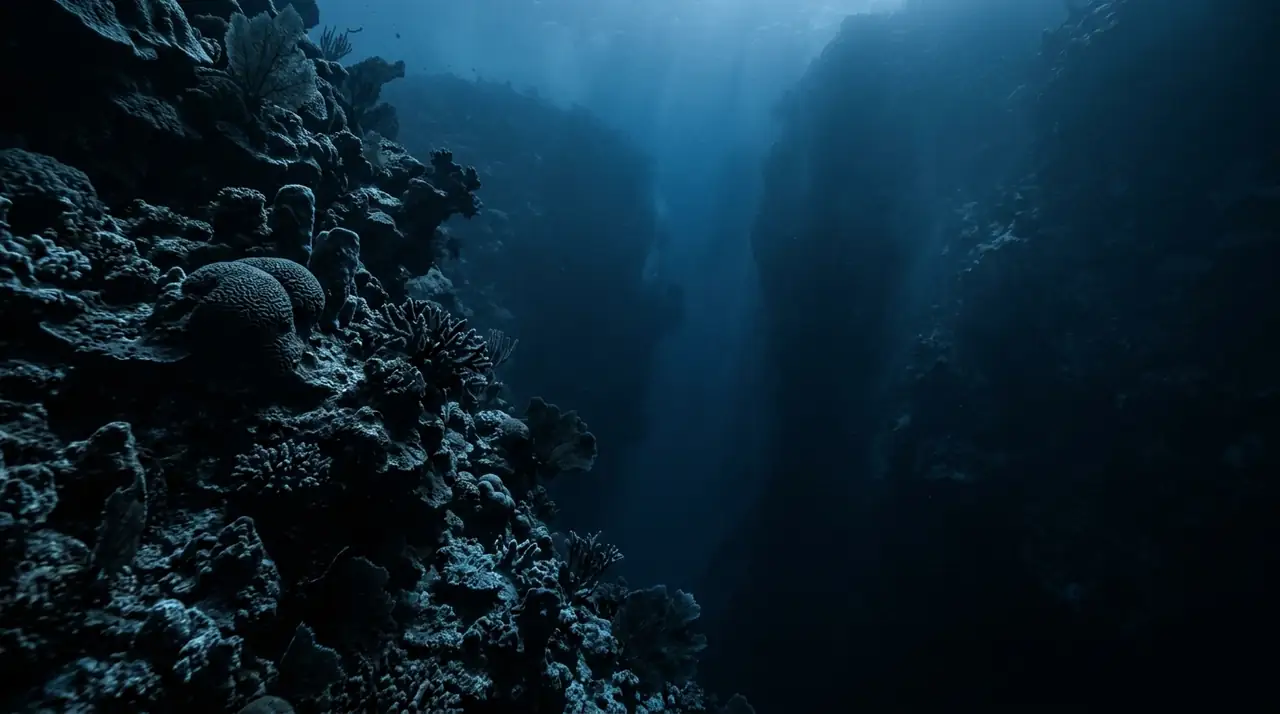
Batad Island is a tiny, uninhabited limestone outcrop in the Romblon archipelago that has quietly earned a reputation among serious macro photographers as one of the Philippines' finest nudibranch destinations. The island rises from a platform of pristine coral reef at the meeting point of currents from the Sibuyan Sea and Tablas Strait, creating conditions that support nudibranch diversity rivalling the world's most celebrated macro sites. Romblon province remains one of the least-visited diving areas in the Philippines, a cluster of marble-quarrying islands between Mindoro and Panay that most travellers pass through without stopping. This obscurity preserves the reefs around islands like Batad in conditions that busier destinations lost long ago. The coral is healthy, unbroken, and growing at rates suggesting zero diver pressure. The boat ride from Romblon Town takes 25 minutes, and the island appears as a forested rock barely large enough to support its colony of seabirds. Below the waterline, a gently sloping reef extends outward on all sides, its substrate a mix of hard coral garden, rubble patches, and sandy channels. The coral coverage is beautiful by any standard, with branching and table corals creating structure that supports dense populations of reef fish. But it is on the rubble and sponge-covered areas between coral heads that Batad reveals its true speciality. Nudibranchs here occur in extraordinary diversity and density. Over 200 species have been documented around this single small island, from common Indo-Pacific species to rare variants that generate excitement among taxonomists. On a single dive, an experienced guide may identify 30 to 50 species, each a miniature masterpiece of colour and form. Chromodoris species display their bold patterns on sponge surfaces, Nembrotha feed on ascidians with black and green elegance, and tiny Favorinus pierce the egg masses of other nudibranchs. Beyond the nudibranchs, Batad supports healthy populations of other macro subjects. Frogfish hide against matching sponges, pygmy seahorses cling to gorgonians on the deeper sections, and ghost pipefish appear seasonally among crinoids and hydroids. Cuttlefish hover over the sand patches, and octopuses construct middens of shells outside their dens. The wider reef community is equally rewarding for those who look up from the substrate. Whitetip reef sharks rest in the deeper sandy channels, green turtles graze on the reef flat, and schools of fusiliers and surgeonfish sweep across the coral garden. This combination of world-class macro diversity with genuinely beautiful reef scenery makes Batad Island one of Romblon's most complete dive sites.
Early access
Plan a dive here
Open the DiveOne planner to sketch a recreational plan before you go. It is a planning assistant, not a dive computer.
Marine life
Dive profile
DEPTH PROFILE
DEPTH PROGRESSION & WAYPOINTS: Batad Island
Location
Frequently asked questions
How do I get to Batad Island?
Batad Island is accessed from Romblon Town on Romblon Island, reached by ferry from Batangas port or by small aircraft to Tablas Island with onward ferry. Local dive operators in Romblon Town provide boat trips to Batad Island, approximately 20 to 30 minutes away. The diving infrastructure in Romblon is small-scale and advance booking with operators is recommended.
Why is Romblon known for nudibranchs?
Romblon province sits at the crossroads of several Philippine sea basins, receiving currents that bring planktonic nudibranch larvae from diverse source populations. The healthy reef substrate provides abundant food sources for nudibranchs in the form of sponges, hydroids, and bryozoans. Low diver impact means populations remain undisturbed. Scientific surveys have documented over 200 species around Romblon's islands, making it one of the top nudibranch diversity hotspots globally.
What is the best time to visit Batad Island?
The dry season from November to May offers the best conditions with calmer seas for the boat crossing and better underwater visibility. The northeast monsoon from November to February can bring occasional rough days but generally the island's position provides shelter. Nudibranch diversity is high year-round though some species show seasonal patterns. March to May typically offers the best combination of calm seas and visibility.
Reviews
Reviews
No reviews yet
Data Provenance
This profile is compiled from 3 operator submissions and 142 community logs. Key facts (depth, entry) are verified against official hydrographic charts.