Bajo Alcyone
Overview
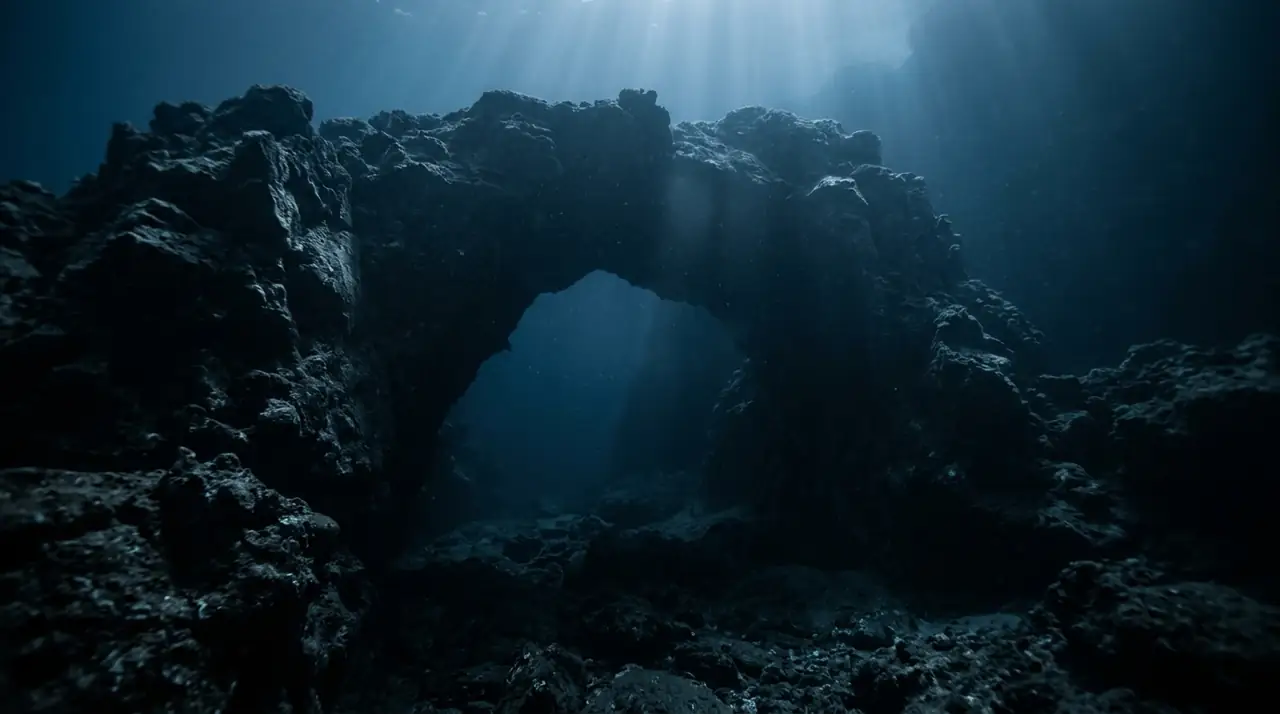
Bajo Alcyone stands as the most iconic dive site at Cocos Island and the undisputed holy grail of hammerhead shark diving worldwide. This isolated 600-metre-long seamount rises from the deep ocean floor to within 25-30 metres of the surface, approximately 1.5 kilometres off the southern coast of Cocos Island, a UNESCO World Heritage Site located 550 kilometres from the Costa Rican mainland in the eastern Pacific. The experience at Bajo Alcyone is unlike anything else in diving. After descending the mooring line to the seamount's exposed rocky plateau at 30-35 metres, divers hunker down behind boulders and look up. Overhead, the water is thick with scalloped hammerhead sharks, sometimes hundreds strong, their distinctive T-shaped heads and sinuous bodies backlit by the tropical sun filtering through the blue. The sharks use the seamount's upwelling currents and the cleaning services of resident fish to maintain their health, returning day after day in numbers that stagger even veteran divers. Beyond the hammerhead spectacle, Bajo Alcyone attracts an astonishing diversity of pelagic life. Whitetip reef sharks blanket the seamount's rocky surfaces in the dozens, whale sharks cruise through during warm-water months, mantas make regular flyovers, and sailfish have been spotted slicing through schools of baitfish on the edges. Bottlenose dolphins, Galapagos sharks, marbled rays, and green sea turtles are common supporting cast members in this ocean theatre. Diving Bajo Alcyone requires genuine commitment. The 36-hour liveaboard crossing from Puntarenas traverses open Pacific swells, and the seamount itself presents strong, shifting currents that can change direction during a single dive. Depths of 30-35 metres limit bottom time, and the remote location means self-rescue capability is important. Most operators require Advanced Open Water certification and significant open-water experience. The reward, however, is participation in one of nature's most magnificent marine gatherings, a spectacle that Cousteau himself called the most beautiful island in the world above and below the waterline.
Early access
Plan a dive here
Open the DiveOne planner to sketch a recreational plan before you go. It is a planning assistant, not a dive computer.
Marine life
Dive profile
DEPTH PROFILE
DEPTH PROGRESSION & WAYPOINTS: Bajo Alcyone
Location
Frequently asked questions
How do I get to Bajo Alcyone at Cocos Island?
Bajo Alcyone is only accessible via liveaboard dive vessels departing from Puntarenas on the Pacific coast of Costa Rica. The crossing takes approximately 32-36 hours across open ocean. Trips typically run 10-12 days and include multiple dives at Bajo Alcyone along with other Cocos Island sites. Only a handful of liveaboard operators hold permits to dive Cocos, so trips sell out many months in advance.
What makes Bajo Alcyone different from other hammerhead sites?
Bajo Alcyone's unique geography as an isolated seamount creates a convergence point for currents that concentrate hammerheads in extraordinary numbers. Unlike reef wall sites where sharks pass by, at Bajo Alcyone divers kneel on the seamount at 25-35 metres and look up at a living ceiling of hundreds of hammerheads silhouetted against the surface light. The sheer density and the drama of the overhead schooling make it arguably the greatest hammerhead dive on Earth.
Is diving at Bajo Alcyone dangerous?
Bajo Alcyone is an advanced dive that demands respect but is not inherently dangerous with proper preparation. The main challenges are strong and shifting currents, depth of 30-35 metres, and the remote offshore location about 1.5 kilometres from the island. Experienced liveaboard operators know the site intimately and time dives for optimal conditions. Divers should be comfortable with deep drift diving and carry surface marker buoys.
Reviews
Reviews
No reviews yet
Data Provenance
This profile is compiled from 3 operator submissions and 142 community logs. Key facts (depth, entry) are verified against official hydrographic charts.