Aran Islands
Overview
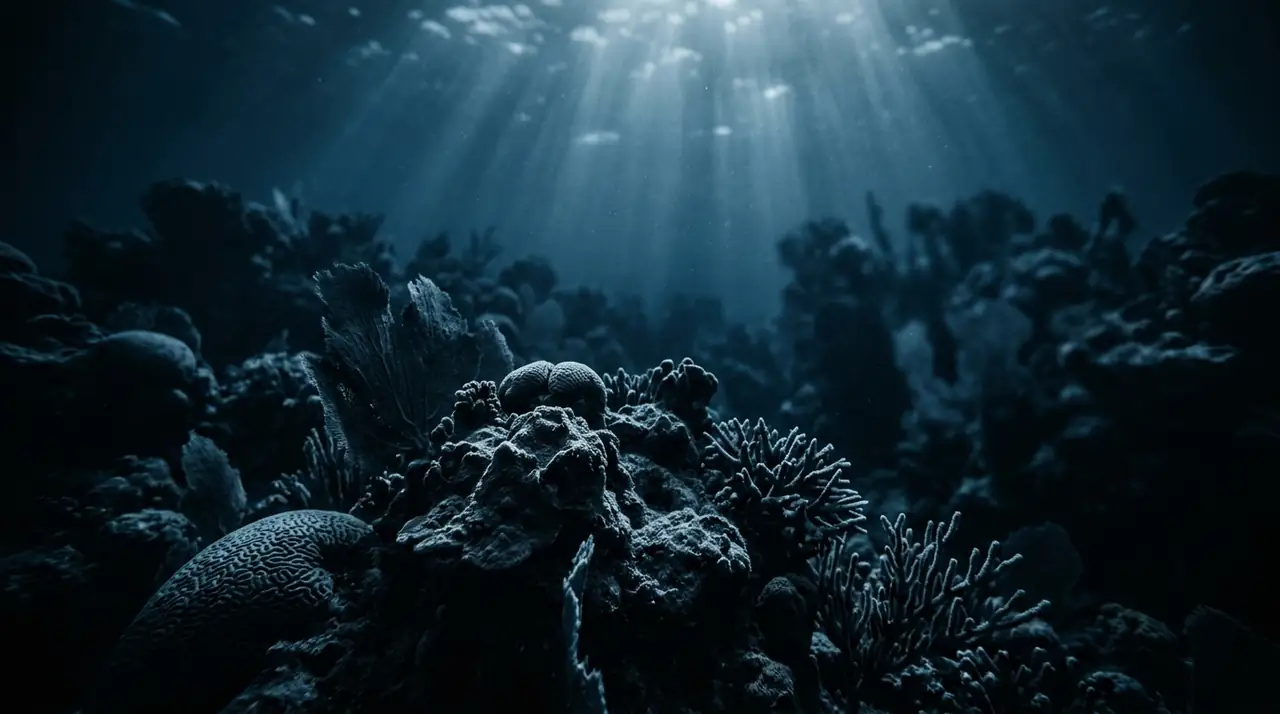
The Aran Islands stand as three limestone sentinels across the mouth of Galway Bay, their western cliffs absorbing the raw energy of the North Atlantic. Inis Mor, Inis Meain, and Inis Oirr have been inhabited for millennia, their stone-walled fields and Iron Age forts speaking to a long human relationship with this wild coast. Below the waterline, the same limestone that builds the islands' famous karst landscape continues into the Atlantic, creating walls, ledges, and underwater cliff faces that shelter an astonishing density of cold-water marine life. Diving the Aran Islands is an Atlantic experience in the truest sense. The exposed western faces take the full force of oceanic swell, and dive planning revolves around weather windows and tidal states with a rigour that tropical diving rarely demands. But when conditions align, typically during settled periods from June through September, the islands deliver diving that ranks among Ireland's finest. I dived the southern wall of Inis Mor on a rare August morning of flat calm and twelve-degree water. The wall drops vertically from a kelp-fringed ledge at five metres into blue-black depths, the limestone face covered in jewel anemones that blaze orange, green, and pink in torch light. Dead man's fingers coral sprouts from every ledge, and the density of encrusting life, sponges, tunicates, and bryozoans, gives the rock a three-dimensional quality that tropical walls rarely match. Grey seals are the charismatic residents. Colonies haul out on rocky platforms around all three islands, and underwater they transform from clumsy land animals into torpedo-shaped curiosity machines. On multiple dives, seals approached within touching distance, barrel-rolling and blowing bubbles in what appeared to be genuine play. Their large dark eyes and whispered expressions make close encounters deeply engaging. For more pelagic ambitions, summer drift dives offshore from Inis Mor target blue sharks. These elegant predators are naturally inquisitive and will circle baited drift setups for extended periods, allowing close observation. Basking sharks filter-feed near the islands during plankton blooms but are more often seen from boats than underwater.
Early access
Plan a dive here
Open the DiveOne planner to sketch a recreational plan before you go. It is a planning assistant, not a dive computer.
Marine life
Dive profile
DEPTH PROFILE
DEPTH PROGRESSION & WAYPOINTS: Aran Islands
Location
Frequently asked questions
How do you get to the Aran Islands for diving?
The Aran Islands are reached by ferry from Rossaveal in Connemara, approximately 40 minutes west of Galway city. The ferry crossing to Inis Mor, the largest island, takes about 40 minutes. Aer Arann operates small aircraft from Connemara Airport to all three islands with a flight time of eight minutes. Diving is typically arranged through operators based on Inis Mor or through mainland Galway dive centres that run boat trips to the islands. Weather-dependent schedules are common, particularly for the more exposed southern and western dive sites.
What diving conditions should I expect at the Aran Islands?
The Aran Islands sit exposed to the full force of the North Atlantic, and conditions can change rapidly. Water temperatures range from 10 to 16 degrees Celsius, requiring a minimum 7mm semi-dry or drysuit. Visibility is highly variable, from 5 metres after storms to over 25 metres during settled summer weather. Strong tidal currents affect many dive sites, particularly the channels between islands, making tide planning essential. The best and most consistent conditions occur from June through September during settled high-pressure weather systems.
Can I see blue sharks at the Aran Islands?
Blue shark encounters are possible during summer months, typically July through September, on dedicated drift dives offshore from the islands. Operators set up baited drift sessions in open water west of Inis Mor where the continental shelf edge approaches. Blue sharks are naturally curious and will investigate divers, often circling at close range. These encounters are weather and current dependent and cannot be guaranteed. Basking sharks are also occasionally spotted near the islands during summer plankton blooms but are rarely encountered underwater.
Reviews
Reviews
No reviews yet
Data Provenance
This profile is compiled from 3 operator submissions and 142 community logs. Key facts (depth, entry) are verified against official hydrographic charts.