Aramoana Mole
Overview
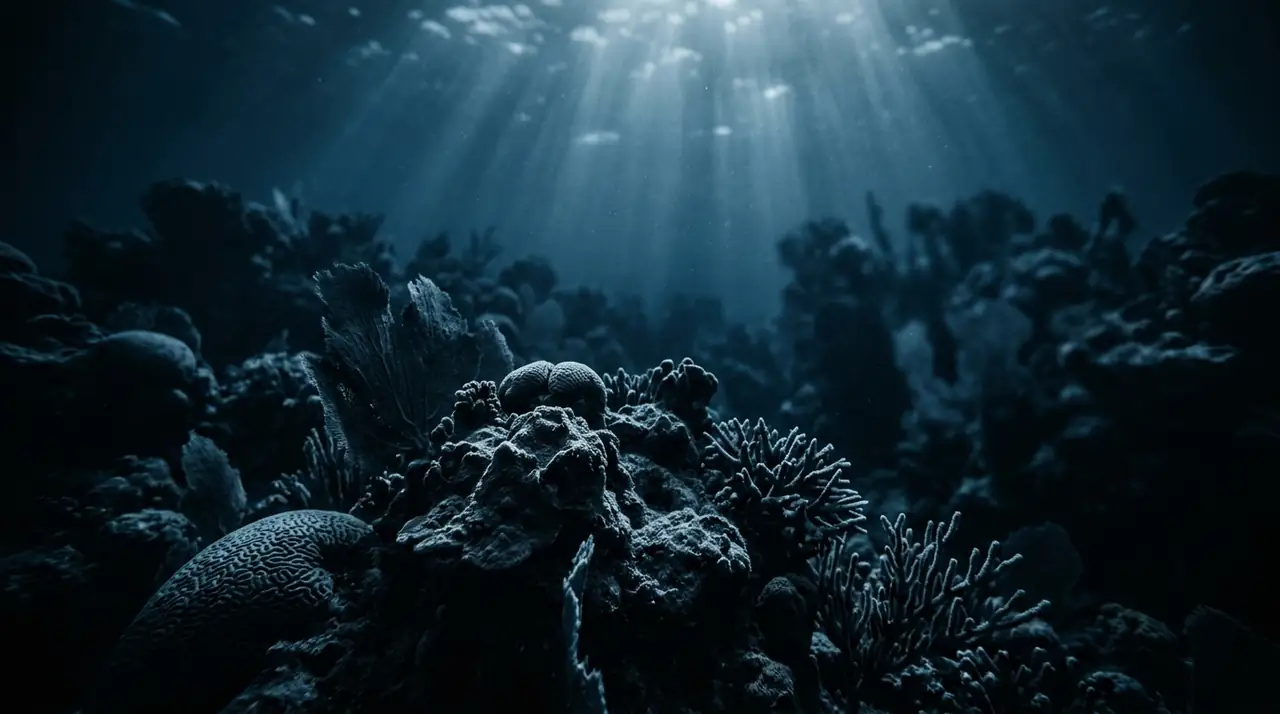
The Aramoana Mole is a stone breakwater extending into the mouth of Otago Harbour near Dunedin, built in the nineteenth century to protect the harbour entrance from Southern Ocean swells. Over more than a century, the submerged sections have become one of the South Island's richest cold-water dive sites, transformed by marine life into something far more interesting than the engineers intended. The dive requires careful planning around tidal currents. Otago Harbour funnels enormous volumes of water through its narrow entrance, and diving at slack water is essential, providing a window of manageable conditions. The reward is an underwater wall densely encrusted with cold-water invertebrate life of extraordinary colour. Descending along the outer wall, you enter a world of intense colour defying expectations of cold-water diving. Jewel anemones carpet vertical surfaces in clusters of pink, orange, green, and purple. Sponges in blues, yellows, and reds fill every gap. Bryozoans, hydroids, and tunicates create textured layers over stone blocks. Under torch light, the effect is of a coral reef reimagined in cold-water palette. Blue cod patrol the wall in pairs, their electric blue coloration vivid against the invertebrate background. Octopuses occupy holes between stone blocks, their presence betrayed by discarded shells at den entrances. Banded wrasse, a New Zealand endemic, weave through fringing kelp. The most memorable encounters involve New Zealand sea lions. This critically endangered species has been recolonising the Otago coast, and juveniles increasingly investigate divers underwater, spiralling through the water column with acrobatic grace, blowing bubbles and making direct eye contact. Aramoana is a quiet settlement dwarfed by sand dunes, thirty minutes from central Dunedin. For visiting divers, it offers an experience entirely different from New Zealand's subtropical northern sites: a raw, cold, intensely alive dive in the deep south.
Early access
Plan a dive here
Open the DiveOne planner to sketch a recreational plan before you go. It is a planning assistant, not a dive computer.
Marine life
Dive profile
DEPTH PROFILE
DEPTH PROGRESSION & WAYPOINTS: Aramoana Mole
Location
Frequently asked questions
When is the best time to dive the Aramoana Mole?
The best diving at Aramoana Mole occurs during the summer months from December through April, when water temperatures are most tolerable at 14 to 16 degrees Celsius and daylight hours are longest. Critically, dives must be timed with the tide: slack water at the turn of the tide provides a window of approximately 30 to 60 minutes when currents are manageable. The incoming tide generally provides better visibility as it brings cleaner ocean water into the harbour. Local dive shops and experienced Otago divers can advise on tide timing for specific days.
Is it possible to encounter sea lions while diving at Aramoana?
New Zealand sea lions, one of the world's rarest pinniped species, have been recolonising the Otago coast in recent years, and Aramoana is one of the areas where they haul out on beaches. Underwater encounters are possible but not guaranteed; they occur most frequently during summer when young sea lions are most curious and active. When encounters happen, they are remarkable, with juveniles approaching divers at close range, blowing bubbles and making eye contact. Divers should maintain a respectful distance and never chase or corner the animals.
What exposure protection is needed for Aramoana?
Aramoana's water temperatures range from 8 degrees Celsius in winter to around 16 degrees in summer, requiring substantial exposure protection. Most local divers use dry suits year-round. A thick semi-dry suit of seven millimetres with hood, gloves, and boots is the minimum for summer dives, and a dry suit is strongly recommended for comfort during longer dives. Even in summer, hands and face become cold quickly, so thick neoprene gloves and a hood are essential. Thermal undergarments beneath a dry suit allow for comfortable dives of 45 minutes or more.
Reviews
Reviews
No reviews yet
Data Provenance
This profile is compiled from 3 operator submissions and 142 community logs. Key facts (depth, entry) are verified against official hydrographic charts.