Ant Atoll
Overview
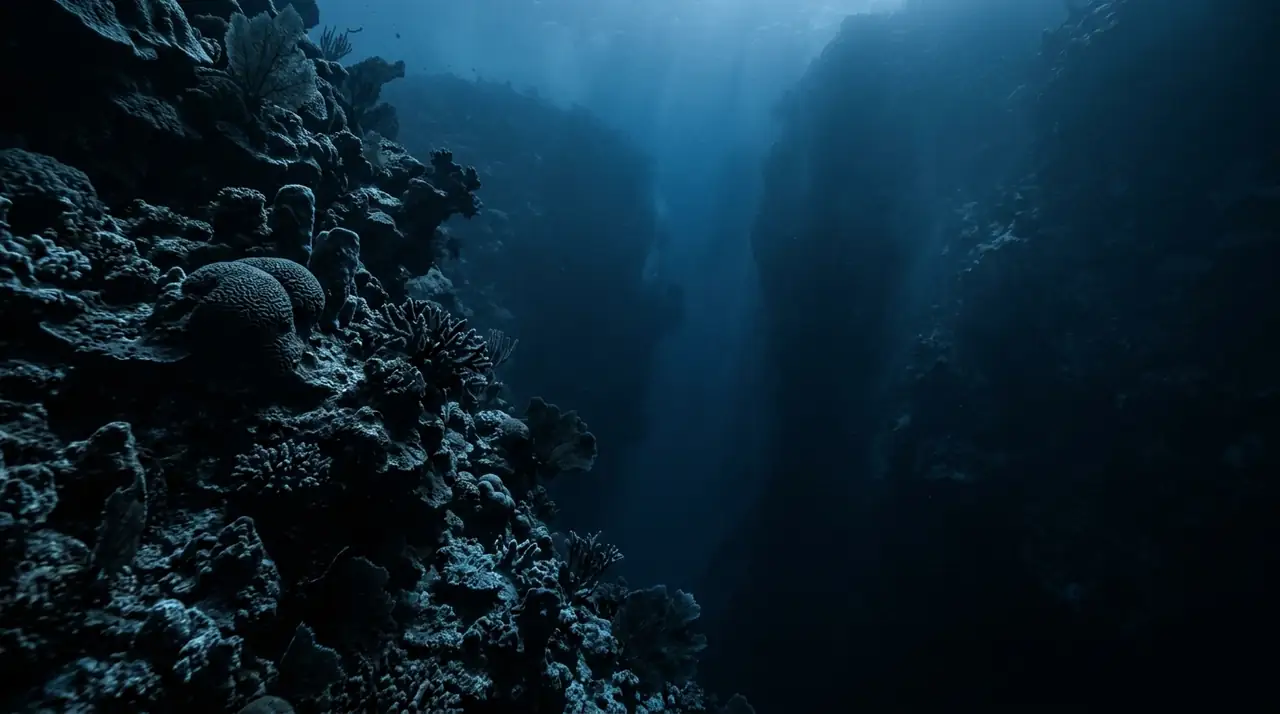
Ant Atoll is what you imagine when you think of untouched Pacific diving: a ring of coral surrounding a turquoise lagoon, uninhabited islets fringed by coconut palms, and underwater walls so healthy they feel like a glimpse of reefs before human impact. Located roughly 15 kilometres southwest of Pohnpei in the Federated States of Micronesia, this small atoll has been protected as a marine sanctuary for decades, and the results are visible from the moment you descend. I dropped over the outer wall on the western side into visibility exceeding 40 metres. The wall was a vertical canvas of hard coral diversity, with massive plate corals, encrusting formations, and branching colonies stacking from the reef crest at 3 metres into the deep blue. Within the first minute, three grey reef sharks appeared below at 30 metres, patrolling in slow, purposeful circuits. Over the dive I counted at least a dozen sharks, a density that speaks directly to the atoll's effective protection. The outer wall attracts exceptional pelagic traffic. Schools of yellowfin tuna blast through in tight formations. Giant trevally hunt along the reef edge. Barracuda form dense columns in the current. On two of my three dives, manta rays appeared, gliding past with their enormous wings barely moving. Inside the lagoon, the diving shifts character completely. Shallow coral gardens between 5 and 15 metres host extraordinary hard coral coverage, with healthy branching Acropora thickets and massive Porites heads. Bumphead parrotfish cruise in small herds. Napoleon wrasse of impressive size are regular encounters. Green turtles rest on coral heads and graze on seagrass patches. What makes Ant Atoll truly special is the absence of pressure. No permanent structures, no anchored boats, no crowds. On my dives, our group was the only one at the atoll. The underwater ecosystem operating at full capacity is a powerful reminder of what marine protection can achieve when given enough time.
Early access
Plan a dive here
Open the DiveOne planner to sketch a recreational plan before you go. It is a planning assistant, not a dive computer.
Marine life
Dive profile
DEPTH PROFILE
DEPTH PROGRESSION & WAYPOINTS: Ant Atoll
Location
Frequently asked questions
Is Ant Atoll accessible for recreational divers?
Yes, Ant Atoll is accessible from Pohnpei via a 45-minute to one-hour boat ride from Kolonia. Dive operators on Pohnpei run day trips to the atoll when weather permits, typically during the calmer months from December through April. The outer wall dives require intermediate to advanced skills due to potential currents and depths exceeding 30 metres, while the lagoon sites are suitable for all levels. A special permit is required to enter Ant Atoll as it is a protected marine sanctuary.
What is the marine protection status of Ant Atoll?
Ant Atoll has been protected as a marine sanctuary for decades, with restricted access and fishing limitations enforced by the Pohnpei state government and local traditional authorities. The atoll is uninhabited, and the lack of human pressure combined with active protection has allowed reef ecosystems to flourish. Coral cover on the outer walls and lagoon reefs is among the healthiest in Micronesia, and fish populations, particularly sharks and large pelagics, are noticeably more abundant than at unprotected sites in the region.
What are the weather and sea conditions like at Ant Atoll?
Ant Atoll is exposed to open ocean swells, and the boat crossing from Pohnpei can be rough during the wet season from May through November. The dry season from December to April typically offers calmer seas, better visibility, and more reliable boat access. Even during the best months, trip cancellations due to weather are possible, so divers should plan multiple dive days to account for potential weather windows. Water temperatures remain warm year-round at 27 to 30 degrees Celsius.
Reviews
Reviews
No reviews yet
Data Provenance
This profile is compiled from 3 operator submissions and 142 community logs. Key facts (depth, entry) are verified against official hydrographic charts.