Andros Blue Holes
Overview
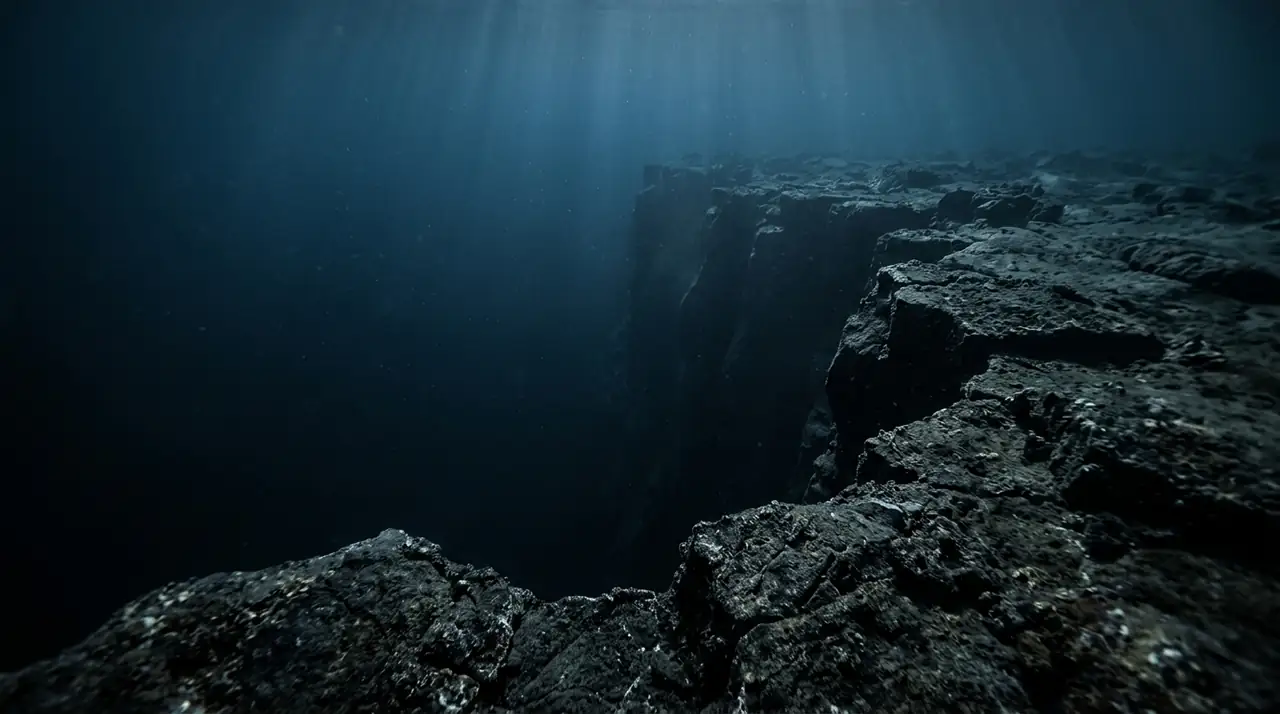
Andros Island is the largest landmass in the Bahamas and the least developed, a flat expanse of pine forest, mangrove creeks, and limestone karst that conceals the world's densest concentration of blue holes. Over two hundred of these vertical shafts and cave entrances have been documented on and around Andros, and many more remain unexplored. For divers, the blue holes of Andros represent genuine frontier exploration in accessible Caribbean waters. The blue holes divide into two categories. Inland blue holes are freshwater pools hidden in the pine forests and mangrove flats, appearing as dark circular openings in the limestone. These connect to extensive horizontal cave systems and often feature haloclines where fresh and salt water meet, creating shimmering visual distortions. Some inland holes are tidal, breathing with the ocean through underground passages, their water levels rising and falling with a rhythm disconnected from the visible sea. Oceanic blue holes puncture the barrier reef platform and the shallow banks surrounding Andros. These are open-water formations where the seabed suddenly drops into a circular vertical shaft, often with dramatic overhangs and ledges spiralling downward. Tidal exchanges push water in and out of these formations, creating currents that attract marine life. Nurse sharks rest on ledges, tarpon patrol the middle depths, and the transition from bright turquoise shallows to the deep indigo of the shaft creates one of diving's most striking visual contrasts. The most famous Andros blue holes include Captain Bill's Blue Hole, a massive inland formation accessible from South Andros, and the oceanic blue holes along the eastern barrier reef. Each has its own character. Some feature stalactite formations dating to ice ages when sea levels were lower. Others contain hydrogen sulphide layers creating an eerie purple boundary between oxygenated and anoxic water. Diving infrastructure on Andros is minimal compared to Nassau or the Exumas, and that is the appeal. A handful of dedicated operators offer guided excursions, and on most dives you will be the only group. The island's remoteness has preserved both its blue holes and the surrounding reef in a condition that much of the Caribbean has lost.
Early access
Plan a dive here
Open the DiveOne planner to sketch a recreational plan before you go. It is a planning assistant, not a dive computer.
Marine life
Dive profile
DEPTH PROFILE
DEPTH PROGRESSION & WAYPOINTS: Andros Blue Holes
Location
Frequently asked questions
What certification do I need to dive the Andros blue holes?
The certification required depends on which blue holes you want to explore. Several oceanic blue holes can be dived at recreational depths by Advanced Open Water certified divers, entering the mouth and descending along the walls without penetrating overhead environments. Inland blue holes with cave passages require full cave diving certification, and many of the deeper oceanic blue holes demand technical diving qualifications with decompression capability. The most popular recreational option is the oceanic blue holes along the barrier reef, where divers can descend the open vertical shaft to around thirty metres and observe the dramatic colour changes and geological formations.
What makes Andros blue holes different from the Great Blue Hole in Belize?
While Belize's Great Blue Hole is a single large collapsed cave system visible from space, Andros contains over two hundred individual blue holes of varying sizes and types. The Andros blue holes include both inland freshwater cenote-like formations connected to underground cave systems, and oceanic blue holes embedded in the reef platform that experience tidal current exchanges. Many Andros blue holes have never been fully explored. The diversity is the key distinction: some are vertical shafts, others horizontal cave networks, and some feature remarkable hydrogen sulphide layers and fossilised remnants.
How do I get to Andros Island for diving?
Andros Island is accessible by short flights from Nassau on small aircraft, with services to Andros Town, Congo Town, and San Andros airports. The flight takes approximately fifteen minutes. Alternatively, a government ferry operates from Nassau to Fresh Creek on a regular schedule. The island has limited tourism infrastructure compared to Nassau or the Exumas, with a handful of dive lodges and small hotels. This remoteness is part of the appeal, as dive sites are uncrowded and the blue holes are often dived with no other groups present. Advance booking with a local dive operator is essential.
Reviews
Reviews
No reviews yet
Data Provenance
This profile is compiled from 3 operator submissions and 142 community logs. Key facts (depth, entry) are verified against official hydrographic charts.