Ambon Bay Laha
Overview
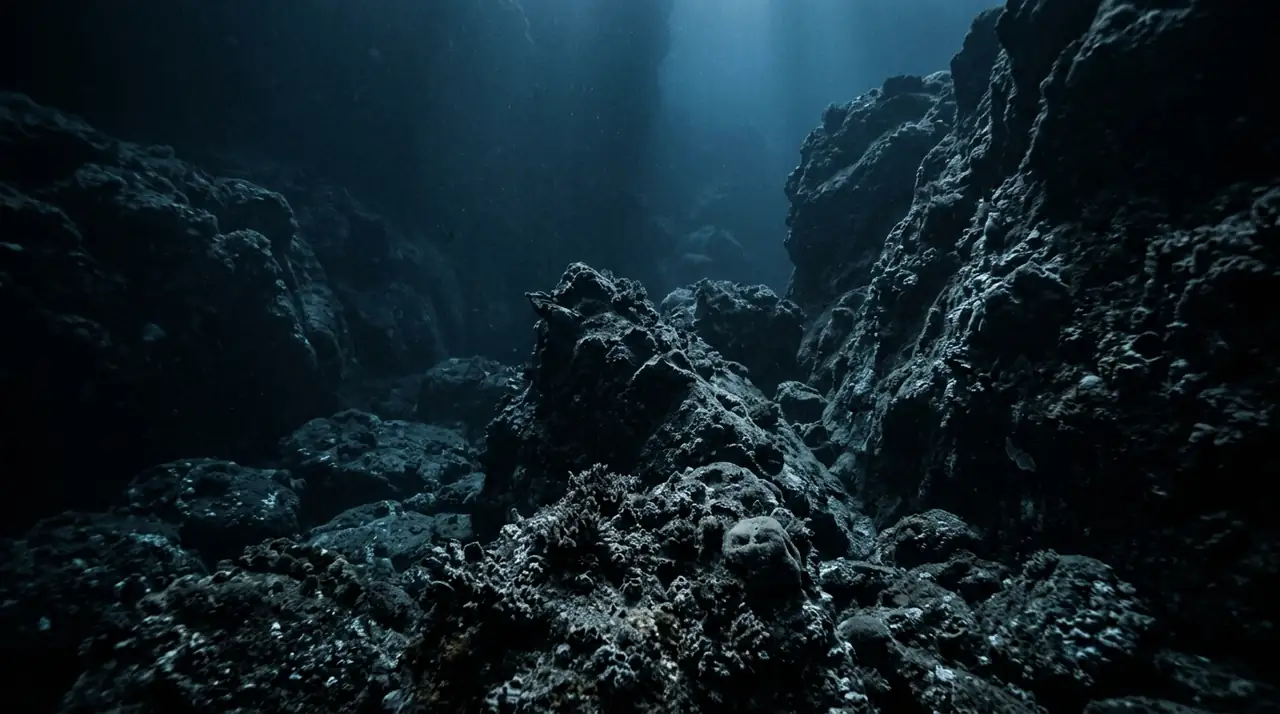
Ambon Bay's Laha dive site occupies a stretch of dark volcanic sand on the inner harbour's western shore, unremarkable from the surface and transformative beneath it. This is where the psychedelic frogfish was discovered in 2008, a species so unusual that it rewrote assumptions about frogfish locomotion and remains virtually endemic to this single bay. For macro photographers and critter hunters, Laha is pilgrimage. The entry is simple: walk in from a concrete ramp, descend over dark sand, and begin the slow, deliberate crawl that muck diving demands. The slope extends gradually to around twenty-five metres, but the richest hunting grounds lie between five and fifteen metres where rubble patches, discarded shells, and sparse coral heads create micro-habitats for an absurd concentration of rare animals. I spent three dives covering perhaps two hundred metres of shoreline and the density never relented. Hairy frogfish sat motionless on sponges, their lure twitching with mechanical precision. A rhinopias appeared on the second dive, purple-pink on a coral rubble mound. Flamboyant cuttlefish walked across the sand displaying their pulsing colour warnings. The psychedelic frogfish requires patience and a knowledgeable guide. My guide knew three current locations, and we found an individual on a rubble patch at eight metres, its tan-and-cream swirling pattern unlike anything else in the ocean. It moved by pushing off the substrate with its pectoral fins, bouncing rather than swimming. Night diving at Laha elevates the site further. Bobtail squid emerge to hunt, burying themselves in sand between strikes. Blue-ringed octopuses patrol the shallows with their warning rings pulsing. The concentration of cephalopod behaviour on a single night dive here exceeds most sites worldwide. Ambon remains under the radar despite its extraordinary marine life. The city has functional infrastructure, flights connect through Makassar, and several professional dive operations cater to the macro photography community. The bay is a working harbour. The magic is entirely underwater.
Early access
Plan a dive here
Open the DiveOne planner to sketch a recreational plan before you go. It is a planning assistant, not a dive computer.
Marine life
Dive profile
DEPTH PROFILE
DEPTH PROGRESSION & WAYPOINTS: Ambon Bay Laha
Location
Frequently asked questions
What is the psychedelic frogfish and can I see it at Laha?
The psychedelic frogfish (Histiophryne psychedelica) was scientifically described in 2009 after being discovered in Ambon Bay. It is a small, flat-faced fish with swirling tan and white stripes that bounces along the seabed rather than swimming. Laha remains one of the only reliable locations worldwide to observe this species. Local guides know the specific rubble patches where individuals reside, and sightings are regular though never guaranteed. The fish is small, around 5 to 8 centimetres, so a good guide and patience are essential.
How do I reach Laha dive site in Ambon?
Laha is located on the western shore of Ambon Bay's inner harbour, approximately 20 minutes by car from Ambon city centre and 30 minutes from Pattimura Airport. The dive site is accessed directly from shore via a gentle entry over sand. Several dive operators in Ambon offer guided dives at Laha, and the site can be dived multiple times daily due to its shore-access nature and protected position within the bay.
What visibility should I expect at Laha?
Visibility at Laha typically ranges from 5 to 15 metres, which is normal for a nutrient-rich muck diving environment. The inner bay receives runoff and organic matter that supports the extraordinary critter density. Low visibility actually benefits macro photographers by creating dark backgrounds that make subjects pop. The best visibility occurs during dry season months from September to November. Current is almost nonexistent within the protected bay, making it comfortable regardless of visibility conditions.
Reviews
Reviews
No reviews yet
Data Provenance
This profile is compiled from 3 operator submissions and 142 community logs. Key facts (depth, entry) are verified against official hydrographic charts.