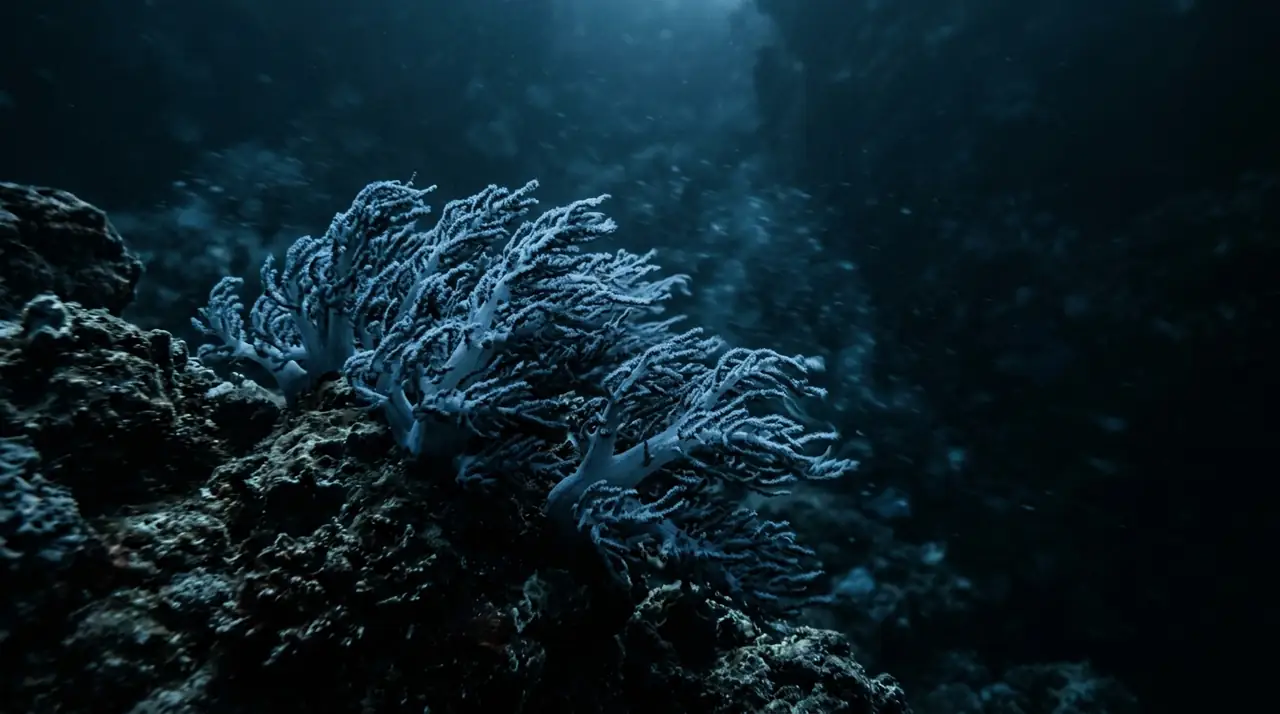
Amami Oshima Coral Reef
Overview
Amami Oshima floats in the subtropical waters between Kyushu and Okinawa, the largest island in the Amami archipelago and one of Japan's most underrated diving destinations. Designated a UNESCO World Heritage site in 2021 for its ancient forests harbouring endemic species like the Amami rabbit, the island's marine environment has received far less attention despite harbouring some of the healthiest coral reefs in the Japanese archipelago. The Kuroshio Current sweeps warm, clear water past Amami's coastline, sustaining coral coverage that rivals anything in the Ryukyu chain. Over 220 species of hard coral have been documented here, forming dense gardens on shallow plateaus that drop away to walls and rubble slopes. The reef structures are complex and layered, with table corals creating overhangs sheltering clouds of anthias and damselfish, while massive Porites heads the size of small cars anchor the deeper sections. Sea turtles are the signature encounters. Green and hawksbill turtles feed on the reefs year-round, and their comfort around divers suggests minimal disturbance. On a typical two-tank morning dive, encountering three or four turtles is unremarkable. They rest in sandy channels between coral heads, graze on algae-covered rock, and occasionally surface alongside the dive boat with casual indifference. The macro life rivals any muck site in Southeast Asia. Amami's reefs host an extraordinary diversity of nudibranchs, with dedicated macro photographers documenting over 400 species around the island. Ornate ghost pipefish appear seasonally, mandarin fish emerge at dusk in sheltered harbours, and harlequin shrimp can be found by guides who know the resident pairs. From January through March, humpback whales migrate through these waters for breeding, and their songs resonate through the reef during dives. The convergence of healthy coral, consistent turtle encounters, exceptional macro diversity, and seasonal whale migrations makes Amami Oshima one of Japan's most complete diving destinations, yet it remains virtually unknown outside the Japanese domestic diving community. The island's remoteness is its protection and its promise.
Early access
Plan a dive here
Open the DiveOne planner to sketch a recreational plan before you go. It is a planning assistant, not a dive computer.
Marine life
Dive profile
DEPTH PROFILE
DEPTH PROGRESSION & WAYPOINTS: Amami Oshima Coral Reef
Location
Frequently asked questions
How does Amami Oshima compare to Okinawa for diving?
Amami Oshima offers coral reef diving comparable to Okinawa but with significantly fewer divers and a more rugged, less developed island atmosphere. The reefs around Amami have benefited from lower tourist pressure and retain exceptional coral health, with over 220 hard coral species documented by researchers. While Okinawa has more dive operators and infrastructure, Amami delivers a quieter, more intimate experience. The island received UNESCO World Heritage status in 2021 for its terrestrial forests, and the surrounding waters have received increased conservation attention as a result.
When is the best time to see humpback whales near Amami?
Humpback whales pass through the waters around Amami Oshima from January through March during their annual breeding migration from feeding grounds near Russia and Alaska. While dedicated whale watching boats operate during this period, divers occasionally encounter whales during boat dives, hearing their songs underwater before seeing them. The whale season coincides with cooler water temperatures around 20 to 22 degrees Celsius, so a five-millimetre wetsuit or semi-dry suit is recommended. Visibility during winter months typically ranges from 20 to 30 metres.
How do I get to Amami Oshima?
Amami Oshima is served by Amami Airport with daily flights from Tokyo Haneda, Osaka Itami and Kansai, Fukuoka, and Kagoshima, with flight times ranging from one to two and a half hours. A ferry service also connects the island to Kagoshima city and other islands in the Amami chain, though the journey takes around eleven hours. On the island, rental cars are essential as public transport is limited and dive sites are spread across the coastline. Most dive operators are based in Amami city on the northern coast or Setouchi on the southern coast.
Reviews
Reviews
No reviews yet
Data Provenance
This profile is compiled from 3 operator submissions and 142 community logs. Key facts (depth, entry) are verified against official hydrographic charts.