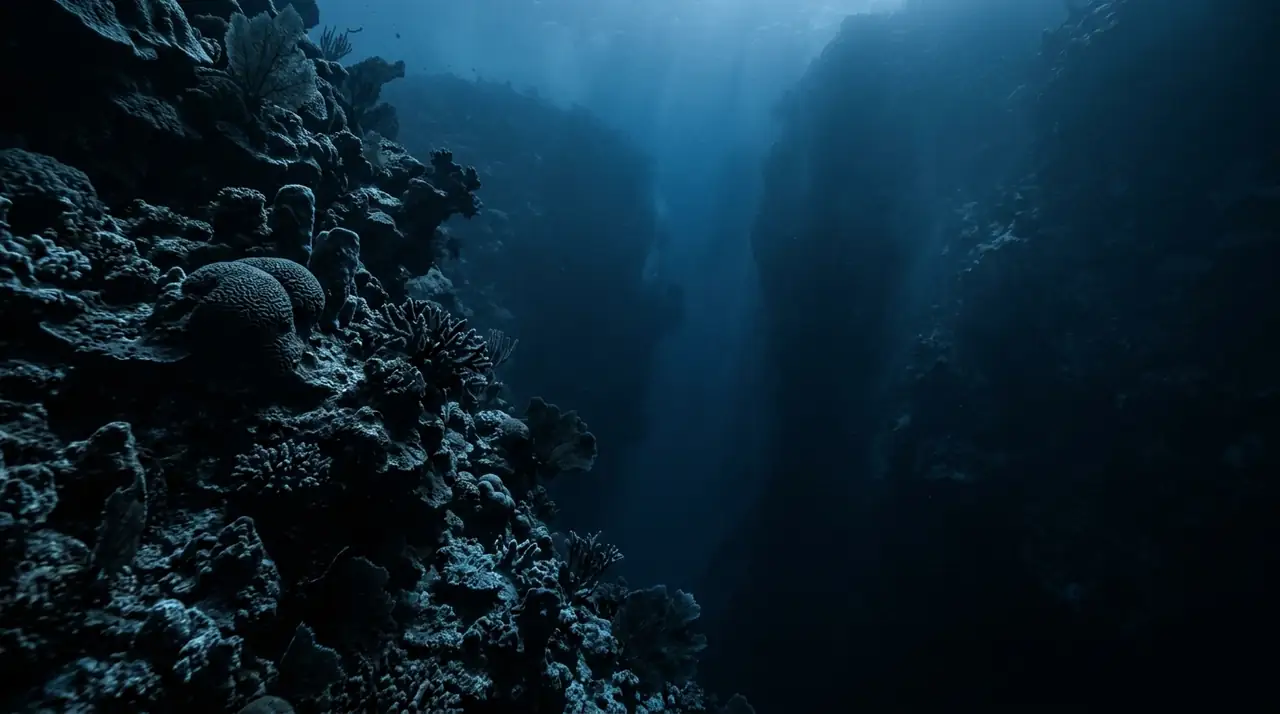
Alor Beach
Overview
Alor Beach is one of Indonesia's best-kept muck diving secrets, a black volcanic sand shore dive on the northern coast of Alor Island in East Nusa Tenggara province. While the nearby Pantar Strait sites draw experienced divers with their punishing currents and pelagic action, Alor Beach offers something entirely different: a gentle slope of dark sand and scattered rocky outcrops where some of the Indo-Pacific's rarest critters hide in plain sight. The entry is straightforward, wading from the beach over ankle-deep sand before the bottom drops away at a comfortable angle. Within the first five meters, the sand reveals its residents. Flamboyant cuttlefish pulse with electric purples and yellows as they walk along the substrate. Ambon scorpionfish, covered in fleshy tassels that make them almost indistinguishable from algae-covered rubble, rest motionless beside sponges. The prize sighting here is rhinopias, the lacy or weedy scorpionfish that ranks among the most sought-after critter finds in the diving world. Alor Beach produces rhinopias sightings with a regularity that would be considered exceptional anywhere else. Beyond the sand flats, rocky outcrops at 10 to 20 meters are dressed in soft corals of extraordinary color. Dendronephthya in shades of magenta, purple, and tangerine create compositions that macro photographers spend hours documenting. Pygmy seahorses cling to gorgonian fans, their tiny forms invisible without a trained guide's eye. Blue-ringed octopuses patrol the rubble zones, and Coleman shrimp pairs sit within the venomous spines of fire urchins. The nutrient-rich waters of the Pantar Strait, which rushes between Alor and Pantar islands, deliver a constant supply of plankton that sustains this remarkable density of life. Visibility typically ranges from 15 to 25 meters, best during the dry season from April through November. Water temperatures hold steady between 26 and 29 degrees. Night diving at Alor Beach transforms the site yet again, with Spanish dancers, stargazers, and hunting bobbit worms emerging from the sand. This is not a site of dramatic walls or big animal encounters. It is a site of patience and discovery, where every square meter of black sand holds something extraordinary for those willing to look closely.
Early access
Plan a dive here
Open the DiveOne planner to sketch a recreational plan before you go. It is a planning assistant, not a dive computer.
Marine life
Dive profile
DEPTH PROFILE
DEPTH PROGRESSION & WAYPOINTS: Alor Beach
Location
Near Kalabahi, in the East Nusa Tenggara region of Indonesia.
Frequently asked questions
How do I get to Alor Beach dive site?
Fly from Bali or Kupang to Alor's Mali Airport near Kalabahi. The airport receives daily turboprop flights from Kupang. Local dive operators in Kalabahi provide transfers to the beach entry point on the northern coast, typically a 15-minute drive. Alternatively, several liveaboard routes through the Lesser Sunda Islands include Alor on their itineraries.
What makes Alor Beach special for muck diving?
The black volcanic sand substrate supports an astonishing diversity of critters rarely seen elsewhere. Rhinopias scorpionfish, Ambon scorpionfish, and flamboyant cuttlefish are regular sightings. The gentle slope allows long bottom times in shallow water, and the nutrient-rich Pantar Strait currents deliver planktonic food that sustains an unusually dense population of macro life. Night dives here are particularly rewarding.
Is Alor Beach suitable for beginners?
The shore entry and mild currents make the shallow sections accessible, but intermediate certification is recommended. The black sand can reduce visibility when silted, and the critters require good buoyancy control to spot and photograph without damaging the substrate. Experienced dive guides are essential for locating the well-camouflaged residents.
Reviews
Reviews
No reviews yet
Data Provenance
This profile is compiled from 3 operator submissions and 142 community logs. Key facts (depth, entry) are verified against official hydrographic charts.