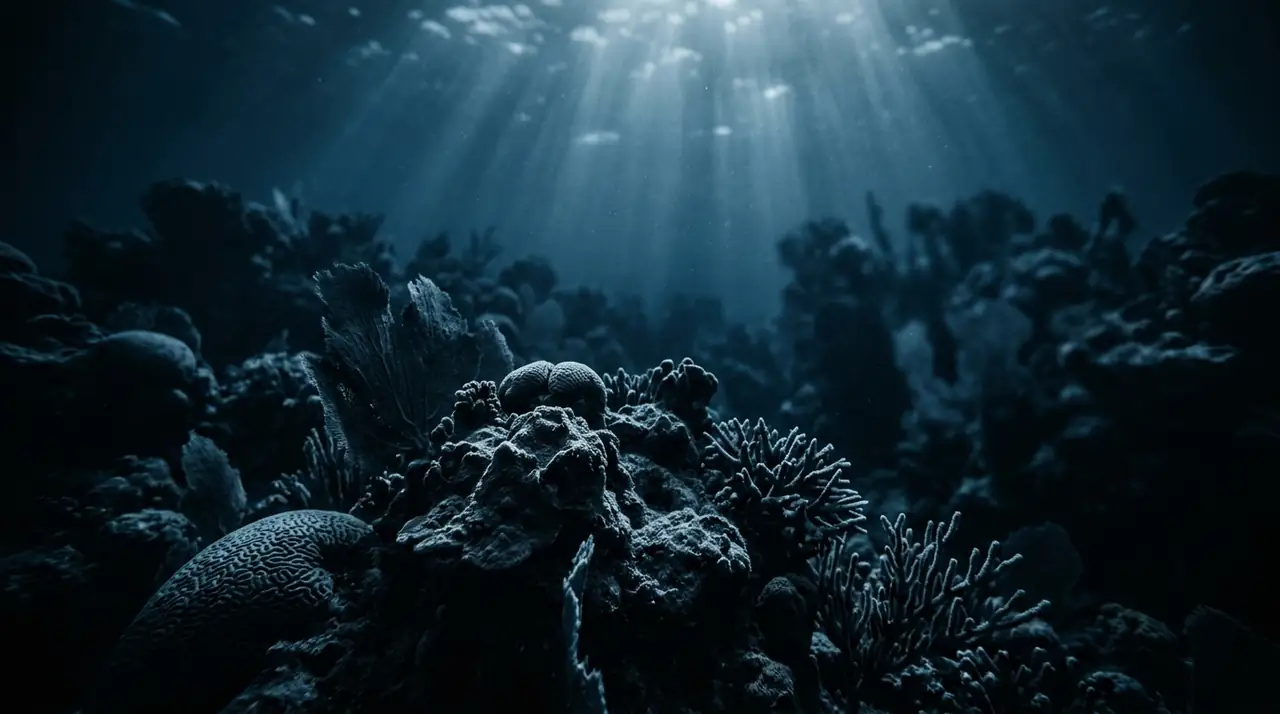
Alimatha House Reef Night Dive
Overview
The Alimatha house reef after dark is one of the Maldives' great spectacles, a nightly congregation of nurse sharks and giant stingrays that has earned a reputation as one of the most reliable and intense shark encounters accessible to recreational divers. The phenomenon centres on the island's dock infrastructure, where artificial lights attract baitfish, which in turn attract predators that have learned to exploit this predictable food source. The dive begins with an entry from the beach as daylight fades, a short swim to the reef edge where the sandy slope descends to fifteen metres. In the fading light, the reef shows its daytime inhabitants settling into nocturnal routines: parrotfish secreting mucus cocoons, lionfish emerging from overhangs to hunt, and moray eels extending further from their crevices. The transition from day to night reef is a show in itself. Then the sharks arrive. Tawny nurse sharks materialise from the darkness, first one or two, then steady streams converging on the lit zone around the dock pilings. Within thirty minutes of full darkness, twenty to forty nurse sharks occupy the area, their two-metre bodies gliding over the sand in unhurried patrol patterns. They weave between each other and around the pilings with a fluid grace that belies their bulk, occasionally pausing to investigate something on the substrate. The giant stingrays follow. Pink whiprays with wingspans exceeding two metres glide into the light, their flat bodies barely disturbing the sand as they settle to feed. On exceptional nights, a dozen stingrays share the space with the sharks, creating a scene of such density that divers must watch their positioning carefully to avoid blocking an animal's path. The experience is immersive in a way that few marine encounters achieve. At ten metres depth, surrounded by circling sharks and gliding rays in the cone of artificial light, the distinction between observer and participant dissolves. The animals are aware of divers but unconcerned, and the proximity is genuine, not manufactured. Sharks pass within arm's reach, rays glide beneath fins, and the steady circulation of large animals continues regardless of human presence.
Early access
Plan a dive here
Open the DiveOne planner to sketch a recreational plan before you go. It is a planning assistant, not a dive computer.
Marine life
Dive profile
DEPTH PROFILE
DEPTH PROGRESSION & WAYPOINTS: Alimatha House Reef Night Dive
Location
Frequently asked questions
How does this dive differ from the Alimatha Jetty dive?
The Alimatha Jetty dive focuses on the area directly beneath and around the overwater jetty structure, where the artificial lighting concentrates sharks and rays in a confined viewing area. The House Reef Night Dive extends beyond the jetty to the broader reef surrounding Alimatha island, offering encounters with the same species plus additional night-active marine life across a wider area. The house reef dive typically begins at the jetty area for the shark and ray spectacle, then moves along the reef edge where divers find hunting moray eels, Spanish dancers, octopuses, and reef fish in their nocturnal behaviour. It provides a more complete night diving experience.
Is it safe to dive with nurse sharks at close range?
Tawny nurse sharks are generally docile and pose minimal risk to divers who behave responsibly. They are bottom-dwelling sharks that feed on crustaceans and small fish, not large prey. At Alimatha, the sharks are habituated to human presence and diver lights, typically continuing their natural behaviour without reacting to nearby divers. However, divers should never touch, grab, or restrict a nurse shark's movement, and should avoid positioning themselves between a shark and its escape route. Maintain neutral buoyancy and keep fins away from the animals. Bites, while extremely rare, have occurred when sharks were grabbed or stepped on.
What time does the shark aggregation begin?
The shark and ray aggregation at Alimatha builds gradually from late afternoon and peaks between dusk and approximately 9 PM. The process begins as the dock lights are activated and fish activity around the structure increases, attracting the first nurse sharks. By dusk, a dozen or more sharks typically occupy the area, with numbers increasing after dark. Giant stingrays arrive slightly later, gliding into the lit zone to feed alongside the sharks. The most dramatic viewing occurs in the first hour after full darkness, when both species are present in maximum numbers and the artificial lighting creates optimal visibility.
Reviews
Reviews
No reviews yet
Data Provenance
This profile is compiled from 3 operator submissions and 142 community logs. Key facts (depth, entry) are verified against official hydrographic charts.