Abu Kafan
Overview
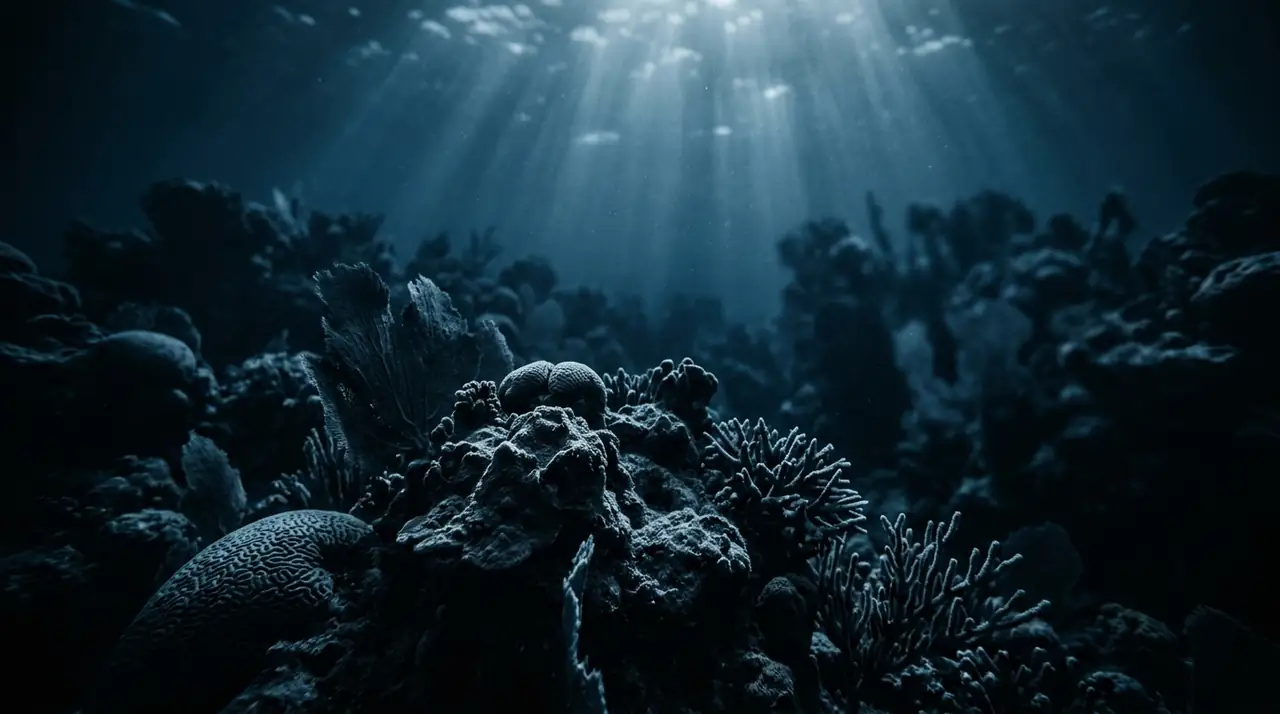
Abu Kafan is one of those Red Sea reefs that reminds you why liveaboard diving exists. This remote offshore formation rises from deep water in the southern Egyptian Red Sea, presenting sheer walls that plunge from the surface to well beyond recreational depths, carpeted in soft corals of extraordinary density and color. It is a big-animal site that also delivers on reef aesthetics, a combination that makes it one of the most complete dive experiences in the region. The reef itself is an elongated north-south structure roughly 400 metres long, narrow enough that you can see both walls simultaneously at the northern and southern tips. The western wall receives the prevailing current and drops vertically from a narrow reef flat at one metre to beyond 100 metres. This exposure creates the conditions that attract pelagic life: nutrient-rich water flowing over the reef edge brings plankton, which brings baitfish, which brings predators. I rolled backwards into a moderate current at the northern tip and immediately began drifting south along the western wall. At 25 metres, the wall was a tapestry of dendronephthya soft corals in purple, orange, and crimson, their polyps fully extended in the current-fed water. Among them, clouds of orange anthias swarmed so densely they partially obscured the wall behind. A napoleon wrasse the size of a small refrigerator cruised past at eye level with complete indifference. At 30 metres I noticed movement in the blue. Three grey reef sharks materialized from the haze, patrolling a beat along the wall edge with the mechanical precision of experienced hunters. They passed within ten metres, close enough to see the pale edges of their pectoral fins clearly. Behind them, a lone silky shark appeared briefly before dissolving back into the blue. The northern plateau at 15 metres is where the school of great barracuda congregates. Hundreds of fish formed a slowly rotating cylinder, their silver bodies catching the light in hypnotic patterns. I hung at the edge of the plateau watching them for the duration of my safety stop, the current holding me effortlessly in position. Abu Kafan demands respect. Currents can shift direction and intensify without warning. The walls invite deeper than planned. But for the prepared diver, it delivers an experience that sits alongside the Brothers Islands and Elphinstone as one of the defining dives of the Egyptian Red Sea.
Early access
Plan a dive here
Open the DiveOne planner to sketch a recreational plan before you go. It is a planning assistant, not a dive computer.
Marine life
Dive profile
DEPTH PROFILE
DEPTH PROGRESSION & WAYPOINTS: Abu Kafan
Location
Frequently asked questions
How do I reach Abu Kafan reef?
Abu Kafan is an offshore reef located in the southern Egyptian Red Sea approximately 15 kilometres east of the coastline between Marsa Alam and Hamata. It is accessible exclusively by liveaboard and is included on most southern Red Sea itineraries of four days or longer departing from Port Ghalib or Marsa Alam. The crossing takes roughly two hours depending on sea conditions. Some operators also include it on routes from Hurghada heading south.
What skill level is required to dive Abu Kafan?
Abu Kafan is best suited to advanced divers with experience in current and deep water conditions. The walls drop vertically beyond recreational limits and strong currents can develop without warning. Most liveaboard operators require at least Advanced Open Water certification and a minimum of 50 logged dives. Drift diving experience is essential as the standard dive plan involves negative entries and drift along the wall with pickup by zodiac.
When is the best time to see sharks at Abu Kafan?
Grey reef sharks are present year-round at Abu Kafan, typically patrolling the deeper sections of the wall between 25 and 40 metres. The best pelagic encounters tend to occur from June to September when nutrient upwellings attract larger predators including silky sharks and occasional hammerheads. Early morning dives before other boats arrive consistently produce the best shark sightings as the animals are more active and less wary.
Reviews
Reviews
No reviews yet
Data Provenance
This profile is compiled from 3 operator submissions and 142 community logs. Key facts (depth, entry) are verified against official hydrographic charts.