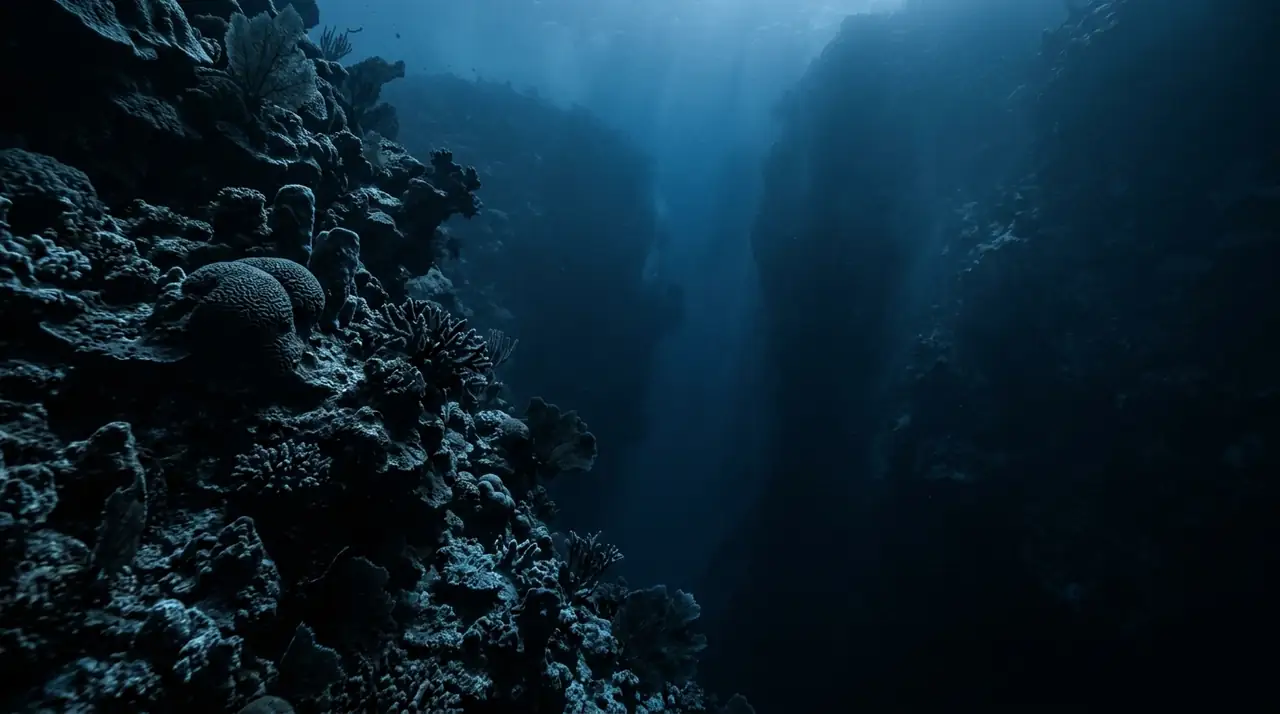
Abu Dabbab Dugong Bay
Overview
Abu Dabbab Dugong Bay holds a unique position among Egyptian Red Sea dive sites as one of the very few places in the world where divers can reliably encounter a wild dugong on a recreational dive. This sheltered bay south of Marsa Alam features a broad seagrass meadow stretching across a sandy bottom, creating the feeding habitat that draws and sustains the area's resident dugong -- a large, gentle marine mammal related to manatees and one of the most elusive creatures in the ocean. I entered the water at dawn, wading in from the sandy beach and descending to the seagrass beds at around 8 meters. Within twenty minutes of patient waiting, the dugong appeared from the blue-green haze, a massive grey shape gliding slowly above the seagrass, its broad tail sweeping in unhurried strokes. It settled to feed, uprooting seagrass with its bristled snout while clouds of sand billowed around it. Watching this enormous animal graze at arm's length -- unhurried, indifferent to my presence -- was among the most profound wildlife encounters I have experienced underwater. But the dugong is not the only draw. The seagrass beds host a permanent population of green turtles, often five or six on a single dive, resting on sandy patches or feeding alongside the dugong. Guitar sharks lie half-buried in the sand near the reef edge, their flattened bodies betraying them only by the rhythmic movement of their gill slits. Blue-spotted stingrays scatter from sandy channels, and octopuses change color and texture as they move between coral heads. The reef itself, fringing the bay's northern and southern edges, supports healthy hard coral growth with resident moray eels, pufferfish, parrotfish, and dense populations of reef fish. Macro enthusiasts will find pipefish, seahorses, and nudibranchs on careful inspection of the coral rubble zones. Abu Dabbab's shore entry, shallow depths, and minimal currents make it accessible to divers of all levels, but the emotional impact of meeting a dugong face to face is something that stays with you long after you have dried off and driven back to Marsa Alam.
Early access
Plan a dive here
Open the DiveOne planner to sketch a recreational plan before you go. It is a planning assistant, not a dive computer.
Marine life
Dive profile
DEPTH PROFILE
DEPTH PROGRESSION & WAYPOINTS: Abu Dabbab Dugong Bay
Location
Frequently asked questions
How likely am I to see a dugong at Abu Dabbab?
Abu Dabbab has one of the highest dugong encounter rates in the Red Sea, with sightings occurring on roughly 60 to 70 percent of dives. The resident dugong frequents the seagrass beds in the bay, particularly in the early morning hours before boat traffic increases. Patience is key -- the dugong can appear at any point during the dive, and experienced guides know its preferred feeding routes. However, sightings are never guaranteed with any wild animal.
Is Abu Dabbab suitable for beginner divers or snorkellers?
Abu Dabbab is one of the most beginner-friendly sites on the Egyptian Red Sea coast. The shore entry is straightforward across a sandy beach, currents are minimal within the bay, and the main points of interest sit between 4 and 15 meters depth. Snorkellers can often spot turtles and occasionally the dugong from the surface when the water is calm and the animals are feeding in shallow seagrass. It is an excellent site for introductory dives and training.
What are the rules for interacting with the dugong?
Egyptian environmental authorities and dive operators enforce strict guidelines at Abu Dabbab. Divers must maintain a minimum distance of three meters from the dugong and must never chase, touch, or block its path. Flash photography is prohibited. Only a limited number of divers are allowed near the animal at any time. These rules protect a critically endangered species -- the Red Sea dugong population is estimated at fewer than a few dozen individuals. Responsible behavior ensures continued access to this extraordinary encounter.
Reviews
Reviews
No reviews yet
Data Provenance
This profile is compiled from 3 operator submissions and 142 community logs. Key facts (depth, entry) are verified against official hydrographic charts.