Abrolhos Marine National Park
Overview
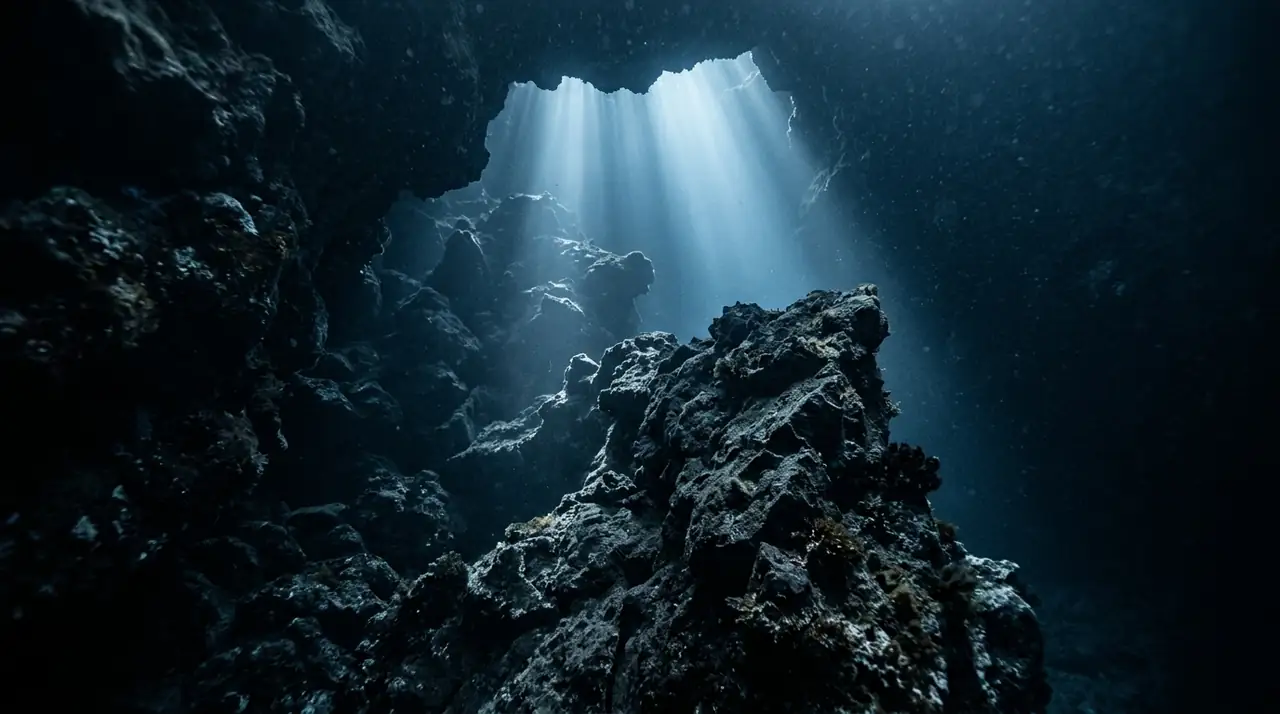
The Abrolhos Marine National Park is Brazil's crown jewel of marine conservation, a volcanic archipelago 70 kilometres off the Bahia coast that harbours the largest and most biodiverse coral reef system in the entire South Atlantic Ocean. Established as Brazil's first marine park in 1983, Abrolhos protects reef formations found nowhere else on Earth and serves as critical breeding habitat for humpback whales migrating from Antarctic waters. The journey from Caravelas takes several hours by liveaboard vessel, crossing increasingly clear waters as the continental shelf gives way to oceanic blue. The five islands of the archipelago appear as dark volcanic peaks, ringed by reef flats that glow turquoise in the tropical sun. Seabirds wheel in thousands overhead. The remoteness is part of the experience. Descending to the reef, the chapeiroes immediately distinguish Abrolhos from anywhere else I have dived. These mushroom-shaped coral pillars, built by the endemic Mussismilia braziliensis over thousands of years, rise from sandy bottom like columns of a drowned temple. Each stands 3 to 5 metres tall, flat-topped and undercut at the base, creating overhangs that shelter gardens of sponges, tunicates, and soft corals. The channels between chapeiroes form natural corridors where parrotfish, queen angelfish, and schools of chromis swirl. The reef health at Abrolhos reflects its protected status and remoteness. Coral coverage exceeds 50 percent on many sites, with no visible bleaching or damage from fishing pressure. Hawksbill and green turtles cruise between formations with the confidence of animals that have never known hunting in these waters. During whale season, the underwater experience gains another dimension entirely. The haunting songs of male humpback whales reverberate through the water column, felt as much as heard. Between dives, breaching whales erupt from the surface in every direction. The Abrolhos experience combines genuinely unique geology, endemic biology, and megafauna spectacle in one of the most pristine marine environments remaining in the Atlantic.
Early access
Plan a dive here
Open the DiveOne planner to sketch a recreational plan before you go. It is a planning assistant, not a dive computer.
Marine life
Dive profile
DEPTH PROFILE
DEPTH PROGRESSION & WAYPOINTS: Abrolhos Marine National Park
Location
Frequently asked questions
What are chapeiroes and why are they unique to Abrolhos?
Chapeiroes are mushroom-shaped coral formations endemic to the Abrolhos Archipelago, found nowhere else in the world. They are formed primarily by Mussismilia braziliensis, an endemic Brazilian coral species that grows in massive columnar structures up to 5 metres tall and 20 metres across, creating flat-topped pillars separated by sand channels. These formations grow extremely slowly, with the largest estimated to be over 6,000 years old. The chapeiroes create unique habitat complexity, with overhangs sheltering diverse invertebrate communities and channels between them acting as highways for reef fish.
How do I get to the Abrolhos Marine Park?
The Abrolhos Archipelago lies approximately 70 kilometres offshore from the town of Caravelas in southern Bahia state. The boat crossing takes 3 to 6 hours depending on vessel type and sea conditions. Liveaboard trips of 3 to 5 days are the most common way to dive the park, departing from Caravelas. Day trips are not feasible due to distance. A limited number of visitors are permitted daily under park regulations, and all visits must be arranged through licensed operators. The nearest airports are in Teixeira de Freitas or Porto Seguro, both requiring ground transfers to Caravelas.
When is whale season at Abrolhos?
Humpback whales are present at Abrolhos from July through November, with peak numbers from August to October. The archipelago serves as one of the primary breeding and calving grounds for the western South Atlantic humpback population. During whale season, encounters from the dive boat are virtually guaranteed, and their songs can be clearly heard underwater during dives. However, in-water encounters with whales are regulated and generally not permitted within the park boundaries. The diving itself is best from November to March when visibility peaks and seas are calmer, creating a slight mismatch between peak whale and peak dive seasons.
Reviews
Reviews
No reviews yet
Data Provenance
This profile is compiled from 3 operator submissions and 142 community logs. Key facts (depth, entry) are verified against official hydrographic charts.